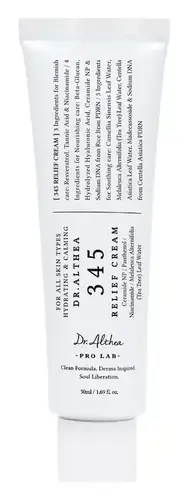
This barrier-repair moisturizer is formulated around Ectoin and Centella Asiatica Extract to strengthen the skin barrier and hydrate skin.

What's inside
What's inside
 Key Ingredients
Benefits
Concerns
No concerns
Ingredients Side-by-side
Water
Skin ConditioningButylene Glycol
Humectant

Glycerin
Humectant
Isononyl Isononanoate
EmollientCaprylic/Capric Triglyceride
Masking
Isododecane
EmollientCyclopentasiloxane
Emollient
1,2-Hexanediol
Skin Conditioning
Hydroxyacetophenone
Antioxidant
Cetearyl Alcohol
Emollient





Diglycerin
Humectant
Carbomer
Emulsion StabilisingPolysorbate 80
Emulsifying
Triethanolamine
BufferingEctoin
Skin Conditioning



Propylene Glycol
Humectant
Sodium Polyglutamate
HumectantSorbitan Oleate
Emulsifying
Bisabolol
Antioxidant
Sodium Hyaluronate
Humectant
Centella Asiatica Extract
Cleansing
Propanediol
Solvent
Glucose
Humectant
Hydrogenated Lecithin
Emulsifying
Polygonum Cuspidatum Root Extract
Antioxidant
Scutellaria Baicalensis Root Extract
Astringent
Hexylene Glycol
EmulsifyingStearic Acid
Cleansing
Cholesterol
Emollient
Ceramide NP
Skin Conditioning
Camellia Sinensis Leaf Extract
Antimicrobial


Glycyrrhiza Glabra Root Extract
Bleaching
Beta-Glucan
Skin Conditioning
Chamomilla Recutita Flower Extract
Masking
Rosmarinus Officinalis Leaf Extract
AntimicrobialLespedeza Capitata Leaf/Stem Extract
Skin ConditioningAvena Sativa Kernel Extract
Abrasive
Zingiber Officinale Root Extract
Masking
Water, Butylene Glycol, Glycerin, Isononyl Isononanoate, Caprylic/Capric Triglyceride, Isododecane, Cyclopentasiloxane, 1,2-Hexanediol, Hydroxyacetophenone, Cetearyl Alcohol, Diglycerin, Carbomer, Polysorbate 80, Triethanolamine, Ectoin, Propylene Glycol, Sodium Polyglutamate, Sorbitan Oleate, Bisabolol, Sodium Hyaluronate, Centella Asiatica Extract, Propanediol, Glucose, Hydrogenated Lecithin, Polygonum Cuspidatum Root Extract, Scutellaria Baicalensis Root Extract, Hexylene Glycol, Stearic Acid, Cholesterol, Ceramide NP, Camellia Sinensis Leaf Extract, Glycyrrhiza Glabra Root Extract, Beta-Glucan, Chamomilla Recutita Flower Extract, Rosmarinus Officinalis Leaf Extract, Lespedeza Capitata Leaf/Stem Extract, Avena Sativa Kernel Extract, Zingiber Officinale Root Extract
Water
Skin ConditioningTrehalose
Humectant
Propanediol
Solvent
Glycerin
Humectant
Sodium Acrylate/Sodium Acryloyldimethyl Taurate Copolymer
Emulsion StabilisingPanthenol
Skin Conditioning
1,2-Hexanediol
Skin Conditioning
Ceramide NP
Skin Conditioning
Ceramide AP
Skin Conditioning
Phytosphingosine
Skin Conditioning
Cholesterol
Emollient
Ceramide EOP
Skin Conditioning
C15-19 Alkane
SolventLauryl Glucoside
CleansingTrisodium Ethylenediamine Disuccinate
ChelatingSodium Lauroyl Lactylate
EmulsifyingXanthan Gum
EmulsifyingCarbomer
Emulsion StabilisingPhenoxyethanol
Preservative
Ethylhexylglycerin
Skin ConditioningCitric Acid
Buffering
Water, Trehalose, Propanediol, Glycerin, Sodium Acrylate/Sodium Acryloyldimethyl Taurate Copolymer, Panthenol, 1,2-Hexanediol, Ceramide NP, Ceramide AP, Phytosphingosine, Cholesterol, Ceramide EOP, C15-19 Alkane, Lauryl Glucoside, Trisodium Ethylenediamine Disuccinate, Sodium Lauroyl Lactylate, Xanthan Gum, Carbomer, Phenoxyethanol, Ethylhexylglycerin, Citric Acid
Reviews
Ingredients Explained
These ingredients are found in both products.
Ingredients higher up in an ingredient list are typically present in a larger amount.
1,2-Hexanediol is a synthetic liquid and another multi-functional powerhouse.
It is a:
- Humectant, drawing moisture into the skin
- Emollient, helping to soften skin
- Solvent, dispersing and stabilizing formulas
- Preservative booster, enhancing the antimicrobial activity of other preservatives
Carbomer is a synthetic thickening and gelling agent. It's basically the ingredient that gives a lot of serums, gels, creams, and sunscreens their smooth, non-sticky texture.
Although legally permitted at very high levels, carbomers are normally used at concentrations below 1%.
It also needs to be neutralized to actually thicken, and because it is a large molecule, it doesn't really penetrate the skin barrier.
Allergy-wise, the risk is very low. Clinical studies show carbomers have low potential for skin irritation/sensitization even at concentrations up to 100%.
A 2024 UK study patch-tested 1,302 patients and found true allergy to the parent group of carbomer to be rare with no confirmed relevant reactions.
Learn more about CarbomerCeramide NP (formerly known as Ceramide 3) is one of the skin's naturally occurring lipids.
Since ceramides are the major lipid components of the skin, they are crucial for maintaining skin barrier and hydration. Ceramide NP most closely mirrors the dominant kind in human skin amongst ceramide subtypes.
This ceramide works by slotting into gaps within the stratum corneum's lipid matrix to limit trans-epidermal water loss (TEWL) and shield the skin against external irritants.
A study with 312 patients found that using a ceramide-containing routine for 4 weeks reduced the severity of atopic dermatitis by over 61%.
Another clinical study in subjects aged 60 and older found that a ceramide body wash and moisturizer improved skin dryness and itchy skin in 15 days.
Overall, ceramides are considered non-irritating and safety tests have found little to no observable adverse effects from using this ingredient.
Ceramide NP is usually sourced from plants (like soybean or rice bran), or produced synthetically.
Learn more about Ceramide NPCholesterol is a lipid that is naturally found in human skin and is one of the three key components of your skin barrier. In skincare, it is an emollient and barrier-repairing ingredient.
It works by fitting directly into the lipid layers of skin to help restore structure and reduce transepidermal water loss (TEWL).
This is a great ingredient for dry, compromised, or aging skin; our skin starts to produce less cholesterol with age.
Research shows cholesterol works best in combination with ceramides and fatty acids, the other two major components in your skin barrier.
Cholesterol is also a well-establish penetration enhancer and can help other actives absorb more effectively.
Cosmetic-grade cholesterol is usually derived from lanolin but plant and synthetic options also exist. We recommend reaching out to the brand if you have questions about their source of cholesterol.
Learn more about CholesterolGlycerin (or glycerol) is a compound naturally found in your skin. It's a powerhouse humectant that pulls water into the stratum corneum.
Topically, glycerin does several things at once:
Your skin makes glycerin on its own (mostly from sebaceous oil breakdown) and shuttles it to your outermost layer of skin, or your epidermis, via aquaporin-3.
Aquaporin-3 is a transporter that is essential for normal skin hydration, elasticity, and repair. Interestingly, mice lacking in AQP3 have dry and less elastic skin that can be fully corrected with glycerin.
This ingredient is non-irritating, plays well with almost every ingredient, and works across all skin types. Typical use is anywhere between 3-10% but can go up to 79% in some leave-on products.
Just know very high concentrations (>40%) can feel tacky in low humidity.
Glycerin is the name for this ingredient in American English. British English uses Glycerol/Glycerine.
Learn more about GlycerinPropanediol is an all-star ingredient. It softens, hydrates, and smooths the skin.
It’s often used to:
Propanediol is not likely to cause sensitivity and considered safe to use. It is derived from corn or petroleum with a clear color and no scent.
Learn more about PropanediolWater. It's the most common cosmetic ingredient of all. You'll usually see it at the top of ingredient lists, meaning that it makes up the largest part of the product.
So why is it so popular? Water most often acts as a solvent - this means that it helps dissolve other ingredients into the formulation.
You'll also recognize water as that liquid we all need to stay alive. If you see this, drink a glass of water. Remember to stay hydrated!
Learn more about Water