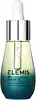
This hydrating oil is formulated around Simmondsia Chinensis Seed Oil and Laminaria Digitata Extract to hydrate skin.
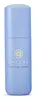
This hydrating serum is formulated around Camellia Sinensis Leaf and Squalane to hydrate skin and soften the look of wrinkles.


What's inside
What's inside
 Key Ingredients
Benefits
Concerns
Ingredients Side-by-side
Coco-Caprylate
Emollient

Isoamyl Cocoate




Simmondsia Chinensis Seed Oil
Emollient


Papaver Orientale Seed Oil
Skin Conditioning
Oleic/Linoleic/Linolenic Polyglycerides
Emollient
Crambe Abyssinica Seed Oil
Skin Conditioning
Caprylic/Capric Triglyceride
Masking
Helianthus Annuus Seed Oil
Emollient
Lavandula Angustifolia Oil
Masking



Linalool
Perfuming
Lavandula Hybrida Oil
Emollient
Pelargonium Graveolens Flower Oil
Masking
Geraniol
Perfuming
Eucalyptus Globulus Leaf Oil
Perfuming
Laminaria Digitata Extract
Skin Protecting
Laminaria Ochroleuca Extract
Skin Conditioning

Tocopherol
Antioxidant




Anthemis Nobilis Flower Oil
Masking
Citronellol
Perfuming
Cinnamomum Camphora Wood Oil
Masking
Limonene
Perfuming
Mentha Arvensis Leaf Oil
Masking
Citrus Aurantium Dulcis Oil
Masking
Parfum
Masking
Vitis Vinifera Seed Oil
Emollient
Padina Pavonica Thallus Extract
Skin ConditioningMenthol
Masking
Eugenia Caryophyllus Leaf Oil
Masking
Citral
Perfuming
Coco-Caprylate, Isoamyl Cocoate, Simmondsia Chinensis Seed Oil, Papaver Orientale Seed Oil, Oleic/Linoleic/Linolenic Polyglycerides, Crambe Abyssinica Seed Oil, Caprylic/Capric Triglyceride, Helianthus Annuus Seed Oil, Lavandula Angustifolia Oil, Linalool, Lavandula Hybrida Oil, Pelargonium Graveolens Flower Oil, Geraniol, Eucalyptus Globulus Leaf Oil, Laminaria Digitata Extract, Laminaria Ochroleuca Extract, Tocopherol, Anthemis Nobilis Flower Oil, Citronellol, Cinnamomum Camphora Wood Oil, Limonene, Mentha Arvensis Leaf Oil, Citrus Aurantium Dulcis Oil, Parfum, Vitis Vinifera Seed Oil, Padina Pavonica Thallus Extract, Menthol, Eugenia Caryophyllus Leaf Oil, Citral
Camellia Sinensis Leaf
Perfuming
Glycerin
Humectant
Propanediol
Solvent
Water
Skin ConditioningSqualane
Emollient
Glyceryl Stearate
Emollient
Isononyl Isononanoate
EmollientBehenyl Alcohol
Emollient
Dimethicone
Emollient
Stearyl Alcohol
Emollient
Sodium Hyaluronate
Humectant
Hydrolyzed Collagen
Emollient
Hydrolyzed Elastin
EmollientBetaphycus Gelatinum Extract
BleachingCrambe Abyssinica Seed Oil
Skin Conditioning
Stearyl Glycyrrhetinate
Skin ConditioningAscorbyl Tetraisopalmitate
Antioxidant
Phytosteryl Macadamiate
Skin Conditioning
Tocopheryl Acetate
Antioxidant
Sodium Dilauramidoglutamide Lysine
HumectantSodium Chondroitin Sulfate
Skin ConditioningPolyglyceryl-10 Eicosanedioate/Tetradecanedioate
Skin ConditioningCellulose Gum
Emulsion StabilisingHydroxyethyl Acrylate/Sodium Acryloyldimethyl Taurate Copolymer
Emulsion StabilisingDisodium Phosphate
BufferingPotassium Phosphate
BufferingDisodium EDTA
ChelatingEthylhexylglycerin
Skin ConditioningSorbitan Isostearate
Emulsifying
Polysorbate 60
Emulsifying
Butylene Glycol
Humectant
Tocopherol
Antioxidant
Alcohol
Antimicrobial
Parfum
Masking
Phenoxyethanol
Preservative
Camellia Sinensis Leaf, Glycerin, Propanediol, Water, Squalane, Glyceryl Stearate, Isononyl Isononanoate, Behenyl Alcohol, Dimethicone, Stearyl Alcohol, Sodium Hyaluronate, Hydrolyzed Collagen, Hydrolyzed Elastin, Betaphycus Gelatinum Extract, Crambe Abyssinica Seed Oil, Stearyl Glycyrrhetinate, Ascorbyl Tetraisopalmitate, Phytosteryl Macadamiate, Tocopheryl Acetate, Sodium Dilauramidoglutamide Lysine, Sodium Chondroitin Sulfate, Polyglyceryl-10 Eicosanedioate/Tetradecanedioate, Cellulose Gum, Hydroxyethyl Acrylate/Sodium Acryloyldimethyl Taurate Copolymer, Disodium Phosphate, Potassium Phosphate, Disodium EDTA, Ethylhexylglycerin, Sorbitan Isostearate, Polysorbate 60, Butylene Glycol, Tocopherol, Alcohol, Parfum, Phenoxyethanol
Ingredients Explained
These ingredients are found in both products.
Ingredients higher up in an ingredient list are typically present in a larger amount.
This ingredient is also known as Abyssinian Oil. It comes from the seeds of the Crambe abyssinica plant and has skin conditioning properties.
What makes this oil unique is its unusually high content of erucic acid (50-65%). The other fatty acids found in this oil are oleic acid (15%) and linoleic acid (13%).
In cosmetics, abyssinian oil acts as an emollient that forms a protective layer on skin to lock in moisture without adding a heavy, greasy feeling. It also has a silky, silicone-like slip to it and is fairly resistant to oxidation.
Due to its fatty acid content, this ingredient may not be fungal acne safe.
Learn more about Crambe Abyssinica Seed OilParfum is a catch-all term for an ingredient or more that is used to give a scent to products.
Also called "fragrance", this ingredient can be a blend of hundreds of chemicals or plant oils. This means every product with "fragrance" or "parfum" in the ingredients list is a different mixture.
For instance, Habanolide is a proprietary trade name for a specific aroma chemical. When used as a fragrance ingredient in cosmetics, most aroma chemicals fall under the broad labeling category of “FRAGRANCE” or “PARFUM” according to EU and US regulations.
The term 'parfum' or 'fragrance' is not regulated in many countries. In many cases, it is up to the brand to define this term.
For instance, many brands choose to label themselves as "fragrance-free" because they are not using synthetic fragrances. However, their products may still contain ingredients such as essential oils that are considered a fragrance by INCI standards.
One example is Calendula flower extract. Calendula is an essential oil that still imparts a scent or 'fragrance'.
Depending on the blend, the ingredients in the mixture can cause allergies and sensitivities on the skin. Some ingredients that are known EU allergens include linalool and citronellol.
Parfum can also be used to mask or cover an unpleasant scent.
The bottom line is: not all fragrances/parfum/ingredients are created equally. If you are worried about fragrances, we recommend taking a closer look at an ingredient. And of course, we always recommend speaking with a professional.
Learn more about ParfumTocopherol is a fat-soluble antioxidant known as Vitamin E.
You'll find this ingredient in the vast majority of skincare (for good reason). It works to neutralize free radicals, or unstable molecules generated by UV exposure, pollution, and other environmental stressors, before they can cause oxidative damage to your skin cells.
Topically applied tocopherol has been shown to protect against UV damage by ramping up the skin's own natural defense enzymes.
It also acts as a skin conditioning agent; some studies show that regular topical use can improve the skin's water-binding capacity over 2-4 weeks.
This ingredient is especially loved for being a team player. When combined with Vitamin C, the photoprotective effect of both ingredients roughly doubles and the combo also helps reduce UV-induced DNA damage.
This ingredient has some brightening potential but it's more of a prevention ingredient than spot-fader. Cell studies show it can slow down melanin production but it's worth noting that it's not the most powerful brightener out there.
In formulations, it also serves as a stabilizer that helps protect other oxidation-prone ingredients from degrading.
Concentrations usually range from 0.1-1% in most leave-on products.
Learn more about Tocopherol

