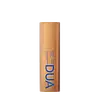
This anti-aging moisturizer is formulated around Adenosine to soften the look of wrinkles.
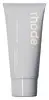
This barrier-repair moisturizer is formulated around Niacinamide and Squalane to strengthen the skin barrier and hydrate skin.


What's inside
What's inside
 Key Ingredients
Benefits
Concerns
Ingredients Side-by-side
Water
Skin ConditioningCoco-Caprylate/Caprate
Emollient
Propanediol
Solvent

Pentylene Glycol
Skin Conditioning
Bellis Perennis Flower Extract
Skin ConditioningSodium Acrylates Copolymer
Cetearyl Alcohol
Emollient





Glycerin
Humectant
C15-19 Alkane
SolventTriheptanoin
Skin ConditioningLecithin
Emollient
Hydroxyacetophenone
Antioxidant
Adansonia Digitata Seed Oil
Emollient
Caprylyl/Capryl Glucoside
CleansingC9-12 Alkane
SolventDilinoleic Acid/Butanediol Copolymer
Glycogen
HumectantSodium Stearoyl Glutamate
CleansingSodium Polyglutamate
HumectantCitric Acid
Buffering

Helianthus Annuus Seed Oil
Emollient
Maltodextrin
Absorbent
Trehalose
Humectant
Populus Tremuloides Bark Extract
AntiseborrhoeicPhenethyl Alcohol
MaskingCastor Oil/Ipdi Copolymer
Plankton Extract
Skin ConditioningTheobroma Cacao Extract
Skin ConditioningTocopherol
Antioxidant


Adenosine
Skin Conditioning
Cyclodextrin
AbsorbentHydrolyzed Rice Bran Protein
Skin ConditioningXanthan Gum
EmulsifyingCyanocobalamin
Skin ConditioningDisodium Phosphate
BufferingPotassium Chloride
Potassium Phosphate
BufferingSodium Chloride
MaskingAnanas Sativus Fruit Extract
Skin ConditioningArginine
Masking
Brassica Alba Seed Extract
Skin ConditioningCamellia Sinensis Leaf Extract
Antimicrobial

Oligopeptide-195

Oligopeptide-196
Skin Conditioning
Oligopeptide-197
Skin Conditioning
Oligopeptide-198
Oligopeptide-199
Oligopeptide-6
Skin Conditioning
Polylysine
Hexapeptide-9
Skin Conditioning
Water, Coco-Caprylate/Caprate, Propanediol, Pentylene Glycol, Bellis Perennis Flower Extract, Sodium Acrylates Copolymer, Cetearyl Alcohol, Glycerin, C15-19 Alkane, Triheptanoin, Lecithin, Hydroxyacetophenone, Adansonia Digitata Seed Oil, Caprylyl/Capryl Glucoside, C9-12 Alkane, Dilinoleic Acid/Butanediol Copolymer, Glycogen, Sodium Stearoyl Glutamate, Sodium Polyglutamate, Citric Acid, Helianthus Annuus Seed Oil, Maltodextrin, Trehalose, Populus Tremuloides Bark Extract, Phenethyl Alcohol, Castor Oil/Ipdi Copolymer, Plankton Extract, Theobroma Cacao Extract, Tocopherol, Adenosine, Cyclodextrin, Hydrolyzed Rice Bran Protein, Xanthan Gum, Cyanocobalamin, Disodium Phosphate, Potassium Chloride, Potassium Phosphate, Sodium Chloride, Ananas Sativus Fruit Extract, Arginine, Brassica Alba Seed Extract, Camellia Sinensis Leaf Extract, Oligopeptide-195, Oligopeptide-196, Oligopeptide-197, Oligopeptide-198, Oligopeptide-199, Oligopeptide-6, Polylysine, Hexapeptide-9
Water
Skin ConditioningGlycerin
Humectant
Caprylic/Capric Triglyceride
Masking
Butyrospermum Parkii Butter
Skin Conditioning
Behenyl Alcohol
Emollient
Xylitylglucoside
Humectant
Niacinamide
Smoothing


Squalane
Emollient
Sodium Acrylates Copolymer
Acetyl Tetrapeptide-2
Skin Conditioning
Palmitoyl Heptapeptide-27
Skin Conditioning
Palmitoyl Oligopeptide-78
Skin Conditioning
Palmitoyl Octapeptide-24
Skin Conditioning
Phenoxyethanol
Preservative
Anhydroxylitol
Humectant
1,2-Hexanediol
Skin Conditioning
Hydroxyethyl Acrylate/Sodium Acryloyldimethyl Taurate Copolymer
Emulsion StabilisingXylitol
Humectant
Lecithin
Emollient
Ethylhexylglycerin
Skin ConditioningGlucose
Humectant
Bisabolol
Antioxidant
Sodium Hyaluronate
Humectant
Teprenone
Skin ConditioningPolysorbate 60
Emulsifying
Sorbitan Isostearate
Emulsifying
Caprylyl Glycol
Emollient
Euterpe Oleracea Fruit Extract
Potassium Sorbate
Preservative
Citric Acid
Buffering
Sorbic Acid
Preservative
Lactic Acid/Glycolic Acid Copolymer
Skin ConditioningTocopherol
Antioxidant
Polyvinyl Alcohol
Sodium Hydroxide
BufferingWater, Glycerin, Caprylic/Capric Triglyceride, Butyrospermum Parkii Butter, Behenyl Alcohol, Xylitylglucoside, Niacinamide, Squalane, Sodium Acrylates Copolymer, Acetyl Tetrapeptide-2, Palmitoyl Heptapeptide-27, Palmitoyl Oligopeptide-78, Palmitoyl Octapeptide-24, Phenoxyethanol, Anhydroxylitol, 1,2-Hexanediol, Hydroxyethyl Acrylate/Sodium Acryloyldimethyl Taurate Copolymer, Xylitol, Lecithin, Ethylhexylglycerin, Glucose, Bisabolol, Sodium Hyaluronate, Teprenone, Polysorbate 60, Sorbitan Isostearate, Caprylyl Glycol, Euterpe Oleracea Fruit Extract, Potassium Sorbate, Citric Acid, Sorbic Acid, Lactic Acid/Glycolic Acid Copolymer, Tocopherol, Polyvinyl Alcohol, Sodium Hydroxide
Reviews
Ingredients Explained
These ingredients are found in both products.
Ingredients higher up in an ingredient list are typically present in a larger amount.
Citric Acid is an alpha hydroxy acid (AHA) naturally found in citrus fruits like oranges, lemons, and limes.
Like other AHAs, citric acid can exfoliate skin by breaking down the bonds that hold dead skin cells together. This helps reveal smoother and brighter skin underneath.
However, this exfoliating effect only happens at high concentrations (20%) which can be hard to find in cosmetic products.
Due to this, citric acid is usually included in small amounts as a pH adjuster. This helps keep products slightly more acidic and compatible with skin's natural pH.
In skincare formulas, citric acid can:
While it can provide some skin benefits, research shows lactic acid and glycolic acid are generally more effective and less irritating exfoliants.
Most citric acid used in skincare today is made by fermenting sugars (usually from molasses). This synthetic version is identical to the natural citrus form but easier to stabilize and use in formulations.
Rosacea skin has a lower threshold for acids generally, with 62.5% of rosacea subjects in one study reacting to lactic acid in a sting test. This is why we mark citric acid as a potential rosacea trigger.
However, this ingredient shows up as a pH adjuster or chelator at roughly 0.1-1% in many products. These low levels are unlikely to be an issue for rosacea skin and becomes a potential trigger at exfoliating concentrations (20%). Because everybody's skin is unique, we recommend a patch test if you are unsure.
Learn more about Citric AcidGlycerin (or glycerol) is a compound naturally found in your skin. It's a powerhouse humectant that pulls water into the stratum corneum.
Topically, glycerin does several things at once:
Your skin makes glycerin on its own (mostly from sebaceous oil breakdown) and shuttles it to your outermost layer of skin, or your epidermis, via aquaporin-3.
Aquaporin-3 is a transporter that is essential for normal skin hydration, elasticity, and repair. Interestingly, mice lacking in AQP3 have dry and less elastic skin that can be fully corrected with glycerin.
This ingredient is non-irritating, plays well with almost every ingredient, and works across all skin types. Typical use is anywhere between 3-10% but can go up to 79% in some leave-on products.
Just know very high concentrations (>40%) can feel tacky in low humidity.
Glycerin is the name for this ingredient in American English. British English uses Glycerol/Glycerine.
Learn more about GlycerinLecithin is a term for a group of substances found in the cell membranes of plants, animals, and humans. They are made up of phospholipids.
Thanks to its amphiphilic structure (water-loving head and oil-loving tail), it is a true multitasker:
It plays well with most ingredients and is typically used at 0.1-1%. However, concentrations up to 50% have been reported in moisturizers.
Learn more about LecithinThis ingredient is a synthetic, salt form polymer built from acrylic acid, ethacrylic acid, or their simple esters. It works as a binder, film former, and viscosity increasing agent.
Typical concentrations start at around 0.5% but can go up to 25% for film-forming or binding.
The CIR Expert Panel assessed the safety of 126 acrylates copolymers and concluded they are safe in cosmetics at current use levels when formulated to be non-irritating. They also noted the levels present in finished cosmetic products are not considered a safety risk and Genotoxicity testing (Ames tests, chromosomal aberration assays) has come back negative across the board.
Though the raw building blocks (like acrylic acid) can be irritating on their own, cosmetic-grade versions go through purification to keep levels extremely low.
Sodium Acrylates Copolymer is a large molecule that doesn't penetrate skin barrier in any meaningful way.
Learn more about Sodium Acrylates CopolymerTocopherol is a fat-soluble antioxidant known as Vitamin E.
You'll find this ingredient in the vast majority of skincare (for good reason). It works to neutralize free radicals, or unstable molecules generated by UV exposure, pollution, and other environmental stressors, before they can cause oxidative damage to your skin cells.
Topically applied tocopherol has been shown to protect against UV damage by ramping up the skin's own natural defense enzymes.
It also acts as a skin conditioning agent; some studies show that regular topical use can improve the skin's water-binding capacity over 2-4 weeks.
This ingredient is especially loved for being a team player. When combined with Vitamin C, the photoprotective effect of both ingredients roughly doubles and the combo also helps reduce UV-induced DNA damage.
This ingredient has some brightening potential but it's more of a prevention ingredient than spot-fader. Cell studies show it can slow down melanin production but it's worth noting that it's not the most powerful brightener out there.
In formulations, it also serves as a stabilizer that helps protect other oxidation-prone ingredients from degrading.
Concentrations usually range from 0.1-1% in most leave-on products.
Learn more about TocopherolWater. It's the most common cosmetic ingredient of all. You'll usually see it at the top of ingredient lists, meaning that it makes up the largest part of the product.
So why is it so popular? Water most often acts as a solvent - this means that it helps dissolve other ingredients into the formulation.
You'll also recognize water as that liquid we all need to stay alive. If you see this, drink a glass of water. Remember to stay hydrated!
Learn more about Water

