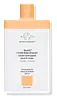
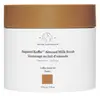
Drunk Elephant Kamili Cream Body Cleanser Versus Drunk Elephant Sugared Koffie Almond Milk Body Scrub
This hydrating exfoliator is formulated around Sucrose and Coffea Arabica Seed Extract to hydrate skin.

What's inside
What's inside
 Key Ingredients
No key ingredients
Benefits
Concerns
Ingredients Side-by-side
Water
Skin ConditioningSodium Laurylglucosides Hydroxypropylsulfonate
CleansingCoco-Glucoside
Cleansing
Glycerin
Humectant


Cocamidopropyl Betaine
Cleansing


Sodium Methyl Cocoyl Taurate
Cleansing
Sodium Chloride
MaskingSclerocarya Birrea Seed Oil
Humectant


Coconut Alkanes
Emollient
Passiflora Edulis Seed Oil
Emollient
Plukenetia Volubilis Seed Oil
Emollient
Prunus Amygdalus Dulcis Oil
Skin Conditioning
Caprylic/Capric Triglyceride
Masking
Cassia Hydroxypropyltrimonium Chloride
Carbomer
Emulsion StabilisingSodium PCA
Humectant
Panthenol
Skin Conditioning
Glycol Distearate
Emollient
Sodium Lactate
Buffering
Helianthus Annuus Seed Oil
Emollient
Glycine Soja Oil
Emollient

PCA
Humectant
Alanine
Masking
Arginine
Masking
Glycine
Buffering
Histidine
Humectant
Isoleucine
Skin ConditioningPhenylalanine
Masking
Proline
Skin Conditioning
Serine
Masking
Threonine
Valine
MaskingCoco-Caprylate/Caprate
Emollient
Aspartic Acid
Masking
Prunus Amygdalus Dulcis Seed Extract
Skin ConditioningBenzoic Acid
Masking
Phenoxyethanol
Preservative
Dehydroacetic Acid
Preservative
Sodium Acetate
BufferingWater, Sodium Laurylglucosides Hydroxypropylsulfonate, Coco-Glucoside, Glycerin, Cocamidopropyl Betaine, Sodium Methyl Cocoyl Taurate, Sodium Chloride, Sclerocarya Birrea Seed Oil, Coconut Alkanes, Passiflora Edulis Seed Oil, Plukenetia Volubilis Seed Oil, Prunus Amygdalus Dulcis Oil, Caprylic/Capric Triglyceride, Cassia Hydroxypropyltrimonium Chloride, Carbomer, Sodium PCA, Panthenol, Glycol Distearate, Sodium Lactate, Helianthus Annuus Seed Oil, Glycine Soja Oil, PCA, Alanine, Arginine, Glycine, Histidine, Isoleucine, Phenylalanine, Proline, Serine, Threonine, Valine, Coco-Caprylate/Caprate, Aspartic Acid, Prunus Amygdalus Dulcis Seed Extract, Benzoic Acid, Phenoxyethanol, Dehydroacetic Acid, Sodium Acetate
Sucrose
Humectant
Coffea Arabica Seed Extract
Masking
Hydrogenated Vegetable Oil
Emollient
Coconut Alkanes
Emollient
Cocos Nucifera Oil
Masking
Helianthus Annuus Seed Oil
Emollient
Prunus Amygdalus Dulcis Oil
Skin Conditioning
Polyglyceryl-3 Laurate
EmulsifyingSilica
Abrasive


Coffea Arabica Seed Oil
Masking
Sclerocarya Birrea Seed Oil
Humectant
Passiflora Edulis Seed Oil
Emollient
Simmondsia Chinensis Seed Oil
Emollient
Adansonia Digitata Seed Oil
Emollient
Citrullus Lanatus Seed Oil
Emollient
Coco-Caprylate/Caprate
Emollient
Prunus Amygdalus Dulcis Seed Extract
Skin ConditioningPrunus Amygdalus Dulcis Fruit Extract
Skin ConditioningGlycerin
Humectant
Caprylic/Capric Triglyceride
Masking
Sweet Almond Oil Polyglyceryl-6 Esters
Emollient
Sorbitan Oleate
Emulsifying
Water
Skin ConditioningSucrose, Coffea Arabica Seed Extract, Hydrogenated Vegetable Oil, Coconut Alkanes, Cocos Nucifera Oil, Helianthus Annuus Seed Oil, Prunus Amygdalus Dulcis Oil, Polyglyceryl-3 Laurate, Silica, Coffea Arabica Seed Oil, Sclerocarya Birrea Seed Oil, Passiflora Edulis Seed Oil, Simmondsia Chinensis Seed Oil, Adansonia Digitata Seed Oil, Citrullus Lanatus Seed Oil, Coco-Caprylate/Caprate, Prunus Amygdalus Dulcis Seed Extract, Prunus Amygdalus Dulcis Fruit Extract, Glycerin, Caprylic/Capric Triglyceride, Sweet Almond Oil Polyglyceryl-6 Esters, Sorbitan Oleate, Water
Reviews
Alternatives
Ingredients Explained
These ingredients are found in both products.
Ingredients higher up in an ingredient list are typically present in a larger amount.
Caprylic/Capric Triglyceride (aka MCT Oil) is a lightweight emollient, solvent, and texture enhancer. It is considered a skin-softener by helping to prevent moisture loss.
Though it behaves like an oil, it is not technically one due to its chemical composition. One perk of this ingredient is that it is very stable, resistant to oxidation, and unlikely to go rancid.
In practice, that translates to a long shelf life and a consistently elegant skin feel.
While there is an assumption Caprylic Triglyceride can clog pores due to it being derived from coconut oil, there is no research supporting this. Just patch test if you have concerns.
Fractionated coconut oil and MCT Oil are both listed as Caprylic/Capric Triglyceride according to INCI. This is because INCI names are based on the ingredient’s final chemical composition and not its marketing name or source.
This ingredient is treated as the gold standard fungal acne safe oil. Even though it is coconut derived, the problematic lauric acid is stripped out.
This leaves just caprylic (C8) and capric (C10) acid. These chain lengths actually trend antifungal; a 2020 study found caprylic acid was enough to disrupt Malassezia furfur cell membrane, with a caprylic acid derivative damaging membrane structures at concentrations as low as 0.2%.
Learn more about Caprylic/Capric TriglycerideCoco-Caprylate/Caprate is a lightweight ester created from coconut oil fatty acids, caprylic acid, and capric acid.
It is an emollient that helps soften skin and reduce transepidermal water loss (TEWL). What sets it apart from heavier emollients is its ultralight, non-greasy feel.
Once applied, this ingredient dries down quickly and leaves a dry, silky finish behind. This also helps improve spreadability and texture.
This ingredient has an excellent safety-record and is non-irritating.
Typical concentrations for cosmetics range from 0.5-62%.
Research on Malassezia growth found no growth on fatty acid esters with chain lengths shorter than 12 carbons (it prefers C11-24).
Since Coco-Caprylate/Caprate is built on C8 and C10 fatty acids, it is out of the range that Malassezia metabolizes, and therefore safe for fungal acne.
Learn more about Coco-Caprylate/CaprateThis is a lightweight, plant-derived emollient and solvent made from the fatty acids of coconut oil.
It spreads easily and adds a soft, silky, non-greasy slip, then evaporates rather than sinking into skin. Due to this behavior, it's prized as a natural and renewable replacement for silicones.
Typical use concentrations can go anywhere up to 20%.
The CIR Expert Panel has reviewed coconut oil and its hydrogenated derivatives and found them to be safe as used in cosmetics. It's a low-irritating and well-tolerated ingredient with no notable sensitization concerns.
Because it's a pure saturated hydrocarbon and not a free fatty acid or ester in the C11-24 range that Malassezia can feed on, it doesn't provide the lipids for Malassezia to feed on. This ingredient is generally regarded as safe for fungal acne.
There's no comedogenicity data for this specific ingredient; the "coconut clogs pores" reputation comes from coconut oil which scored high on the old rabbit ear assay.
That method tested pure ingredients on rabbit ears and later work showed the results translate inconsistently to human skin.
Some people still find it breaks them out. So if that's you, definitely trust your skin.
Learn more about Coconut AlkanesGlycerin (or glycerol) is a compound naturally found in your skin. It's a powerhouse humectant that pulls water into the stratum corneum.
Topically, glycerin does several things at once:
Your skin makes glycerin on its own (mostly from sebaceous oil breakdown) and shuttles it to your outermost layer of skin, or your epidermis, via aquaporin-3.
Aquaporin-3 is a transporter that is essential for normal skin hydration, elasticity, and repair. Interestingly, mice lacking in AQP3 have dry and less elastic skin that can be fully corrected with glycerin.
This ingredient is non-irritating, plays well with almost every ingredient, and works across all skin types. Typical use is anywhere between 3-10% but can go up to 79% in some leave-on products.
Just know very high concentrations (>40%) can feel tacky in low humidity.
Glycerin is the name for this ingredient in American English. British English uses Glycerol/Glycerine.
Learn more about GlycerinHelianthus Annuus Seed Oil is a plant oil derived from the seeds of a sunflower.
It is rich in fatty acids, primarily linoleic acid and oleic acid. This gives it emollient and skin conditioning properties.
The reason this ingredient is so effective is because it forms a thin film on the skin that reduces transepidermal water loss (TEWL) while supplying linoleic acid to the stratum corneum to improve barrier strength.
The high linoleic acid content is particularly noteworthy for acne-prone skin.
Research suggests that acne-prone skin tends to be deficient in linoleic acid in sebum. Topical application may help replenish this to support a healthier follicular environment and less comedone-promoting sebum.
One randomized study found sunflower seed oil preserved skin barrier integrity in adult volunteers with and without atopic dermatitis (outperforming olive oil).
This ingredient is well-studied, gentle, and an effective emollient suitable for most skin types.
On fungal acne: This ingredient may not be Fungal acne (Malassezia folliculitis) safe. This is because it contains fatty acids with carbon chain lengths in the C11-C24 range.
Learn more about Helianthus Annuus Seed OilPassiflora Edulis Seed Oil is a lightweight plant oil from the seeds of passion fruit.
This oil supports skin hydration because it is packed with linoleic acid (56-73%), oleic acid (14-20%), palmitic acid, and stearic acids. It also contains vitamin E and other antioxidants, like carotenoids.
In vitro research has shown that passion fruit seed extracts can inhibit the enzymes that break down collagen and elastin in the skin.
While this ingredient is considered well-tolerated, some cases of contact dermatitis have been reported with the Passiflora plant's vines and leaves itself. As with any ingredient, a patch test is a great idea if you are unsure.
This may not be suitable for fungal acne-prone skin due to the fatty acid content.
Learn more about Passiflora Edulis Seed OilThis ingredient is also known as sweet almond oil. It is a lightweight, cold-pressed oil from the ripe seeds of the sweet almond tree.
Sweet almond oil is rich in skin-nourishing fatty acids such as oleic acid (55-86%) and linolenic acid (7-35%).
As an emollient, it softens and hydrates skin by forming a thin barrier that locks in moisture.
Clinical studies have found it to be non-irritating and non-sensitizing. The CIR Expert Panel has evaluated the available safety data and concluded it is safe for topical use.
Because of the oleic acid content, this ingredient may not be fungal acne safe.
This ingredient does have a comedogenic rating of 3, but this doesn't mean a formula with this ingredient will clog pores.
Human testing has proved that any finished product with a comedogenic ingredient won't automatically make you break out; it really comes down to concentration, formula, and your skin.
Learn more about Prunus Amygdalus Dulcis OilPrunus Amygdalus Dulcis Seed Extract is the extract from dried sweet almond seeds.
Almonds contain healthy fats, vitamins, and minerals. It is a rich source of Vitamin E, a great antioxidant and skin conditioning ingredient. Sweet almond oil contains fatty acids such as linolenic acid and triglycerides.
Prunus amygdalus dulcis is native to Iran.
Learn more about Prunus Amygdalus Dulcis Seed ExtractSclerocarya Birrea Seed Oil (aka marula oil) is a skin hydrating ingredient.
Its fatty acid profile is dominated by oleic acid (~69%), palmitic acid (~15%), linoleic acid (~9%), and palmitoleic acid (~4%).
These fatty acids are very similar to those naturally found in the epidermis, making this oil biomimetic; basically, your skin recognizes it.
Clinical testing found this ingredient to be moisturizing and non-irritating, with noteworthy effects on reducing transepidermal water loss (TEWL).
Besides fatty acids, marula oil is also rich in oxidative stabilizers like vitamin E, vitamin C precursors, and polyphenols. This gives it excellent shelf stability compared to most facial oils.
This is a great ingredient for dry, dull, or barrier-compromised skin.
Just know it may not be fungal acne safe due to the oleic and palmitic acid content. These fatty acids can as as a food source for the Malassezia yeast.
This ingredient shows up on a lot of "pore-clogging" lists but there's no real evidence behind that. It doesn't even have a comedogenic rating from an actual study; the numbers you'll find online come from blogs citing other blogs.
Some people still find it breaks them out. So if that's you, definitely trust your skin.
Learn more about Sclerocarya Birrea Seed OilWater. It's the most common cosmetic ingredient of all. You'll usually see it at the top of ingredient lists, meaning that it makes up the largest part of the product.
So why is it so popular? Water most often acts as a solvent - this means that it helps dissolve other ingredients into the formulation.
You'll also recognize water as that liquid we all need to stay alive. If you see this, drink a glass of water. Remember to stay hydrated!
Learn more about Water

