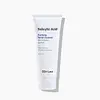
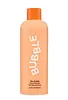
Dr.Leo Salicylic Acid Purifying Facial Cleanser Versus Bubble All Clear Acne Cleanser 2% Salicylic Acid
This salicylic acid gel cleanser is formulated around Salicylic Acid to clear breakouts and unclog pores.
This salicylic acid gel cleanser is formulated around Salicylic Acid to clear breakouts and unclog pores.

What's inside
What's inside
 Key Ingredients
Benefits
Concerns
Ingredients Side-by-side
Water
Skin ConditioningGlycerin
Humectant


Dipropylene Glycol
HumectantSodium Cocoamphoacetate
CleansingPotassium Cocoyl Glycinate
Surfactant
Chondrus Crispus
Masking

Potassium Cocoate
Emulsifying
Sodium Lauroyl Sarcosinate
CleansingDecyl Glucoside
Cleansing
Sodium Polyacrylate
Absorbent
Glyceryl Caprylate
EmollientDecylene Glycol
Skin ConditioningAcacia Senegal Gum
MaskingXanthan Gum
EmulsifyingSodium Lauroyl Glutamate
SurfactantPropanediol
Solvent
Hydrated Silica
Abrasive
Cinnamomum Cassia Extract
Skin ConditioningSerenoa Serrulata Fruit Extract
Skin Conditioning
Lactobionic Acid
Buffering





Trehalose
Humectant
Dipotassium Glycyrrhizate
Humectant

Mandelic Acid
Antimicrobial



Butylene Glycol
Humectant
Cyclodextrin
AbsorbentSalicylic Acid
Masking

Betaine
Humectant
Sapindus Mukorossi Peel Extract
Skin ConditioningPanthenol
Skin Conditioning
Sodium PCA
Humectant
Sorbitol
Humectant
Escin
TonicRuscus Aculeatus Root Extract
Astringent
1,2-Hexanediol
Skin Conditioning
Chondrus Crispus Extract
Skin Conditioning
Ammonium Glycyrrhizate
MaskingCentella Asiatica Leaf Extract
Skin Conditioning
Hydroxyacetophenone
Antioxidant
Phenoxyethanol
Preservative
Hydrolyzed Yeast Protein
Skin ConditioningAlanine
Masking
Lysine
Skin ConditioningArginine
Masking
Calendula Officinalis Flower Extract
Masking
Serine
Masking
Glycine
Buffering
Sodium Citrate
BufferingThreonine
Sodium Hyaluronate
Humectant
Gluconolactone
Chelating
Proline
Skin Conditioning
Sodium Benzoate
Masking
Glutamic Acid
Humectant
Water, Glycerin, Dipropylene Glycol, Sodium Cocoamphoacetate, Potassium Cocoyl Glycinate, Chondrus Crispus, Potassium Cocoate, Sodium Lauroyl Sarcosinate, Decyl Glucoside, Sodium Polyacrylate, Glyceryl Caprylate, Decylene Glycol, Acacia Senegal Gum, Xanthan Gum, Sodium Lauroyl Glutamate, Propanediol, Hydrated Silica, Cinnamomum Cassia Extract, Serenoa Serrulata Fruit Extract, Lactobionic Acid, Trehalose, Dipotassium Glycyrrhizate, Mandelic Acid, Butylene Glycol, Cyclodextrin, Salicylic Acid, Betaine, Sapindus Mukorossi Peel Extract, Panthenol, Sodium PCA, Sorbitol, Escin, Ruscus Aculeatus Root Extract, 1,2-Hexanediol, Chondrus Crispus Extract, Ammonium Glycyrrhizate, Centella Asiatica Leaf Extract, Hydroxyacetophenone, Phenoxyethanol, Hydrolyzed Yeast Protein, Alanine, Lysine, Arginine, Calendula Officinalis Flower Extract, Serine, Glycine, Sodium Citrate, Threonine, Sodium Hyaluronate, Gluconolactone, Proline, Sodium Benzoate, Glutamic Acid
Salicylic Acid 2%
Masking
Water
Skin ConditioningSodium C14-16 Olefin Sulfonate
Cleansing
Cocamidopropyl Betaine
Cleansing
Glycerin
Humectant
Propanediol
Solvent
Acrylates/Beheneth-25 Methacrylate Copolymer
Niacinamide
Smoothing
Camellia Sinensis Leaf Extract
Antimicrobial
Sodium PCA
Humectant
Allantoin
Skin Conditioning
Sodium Hydroxide
BufferingSodium Chloride
MaskingCocamide Mipa
Emulsifying
Xylitylglucoside
Humectant
Anhydroxylitol
Humectant
Xylitol
Humectant
Maltooligosyl Glucoside
Skin ConditioningHydrogenated Starch Hydrolysate
HumectantEthylhexylglycerin
Skin ConditioningSodium Citrate
BufferingCitric Acid
Buffering
Phenoxyethanol
Preservative
Salicylic Acid 2%, Water, Sodium C14-16 Olefin Sulfonate, Cocamidopropyl Betaine, Glycerin, Propanediol, Acrylates/Beheneth-25 Methacrylate Copolymer, Niacinamide, Camellia Sinensis Leaf Extract, Sodium PCA, Allantoin, Sodium Hydroxide, Sodium Chloride, Cocamide Mipa, Xylitylglucoside, Anhydroxylitol, Xylitol, Maltooligosyl Glucoside, Hydrogenated Starch Hydrolysate, Ethylhexylglycerin, Sodium Citrate, Citric Acid, Phenoxyethanol
Reviews
Ingredients Explained
These ingredients are found in both products.
Ingredients higher up in an ingredient list are typically present in a larger amount.
Glycerin (or glycerol) is a compound naturally found in your skin. It's a powerhouse humectant that pulls water into the stratum corneum.
Topically, glycerin does several things at once:
Your skin makes glycerin on its own (mostly from sebaceous oil breakdown) and shuttles it to your outermost layer of skin, or your epidermis, via aquaporin-3.
Aquaporin-3 is a transporter that is essential for normal skin hydration, elasticity, and repair. Interestingly, mice lacking in AQP3 have dry and less elastic skin that can be fully corrected with glycerin.
This ingredient is non-irritating, plays well with almost every ingredient, and works across all skin types. Typical use is anywhere between 3-10% but can go up to 79% in some leave-on products.
Just know very high concentrations (>40%) can feel tacky in low humidity.
Glycerin is the name for this ingredient in American English. British English uses Glycerol/Glycerine.
Learn more about GlycerinPhenoxyethanol is one of the most widely used preservatives in skincare (and for good reason!).
It has a large spectrum of antimicrobial activity and especially effective bacteria, yeast, and mold while only having a weak effect on your skin's natural microbiome.
On a cellular level, it disrupts the cell membranes of microbes by poking holes that make the cell leak. This shuts down the chemical reactions the microbe needs to make energy so it can no longer survive.
Another perk of this ingredient is that it stays functional across a wide pH range (3-10).
You'll often see it paired with boosters like Ethylhexylglycerin; one study showed that a 1:9 ratio of Ethylhexylglycerin to Phenoxyethanol damages bacterial membranes as effectively as doubling the Phenoxyethanol concentration on its own.
Typical use concentrations range from 0.3-1% depending on the formula, and this ingredient is capped at 1% int the EU.
Safety-wise, the fear mongering does not hold up to the evidence. The EU's Scientific Committee on Consumer Safety and FDA consider it safe as a preservative at up to 1%, including for children of all ages.
Adverse systemic effects only showed up in animal studies at exposures roughly 200x higher than what people get from cosmetics. And despite its very widespread use, this ingredient is a rare sensitizer and allergic reactions are uncommon.
Learn more about PhenoxyethanolPropanediol is an all-star ingredient. It softens, hydrates, and smooths the skin.
It’s often used to:
Propanediol is not likely to cause sensitivity and considered safe to use. It is derived from corn or petroleum with a clear color and no scent.
Learn more about PropanediolSalicylic Acid (also known as beta hydroxy acid or BHA) is a well-known ingredient for treating skin that struggles with acne and clogged pores. It exfoliates both the skin's surface and deep within the pores to help clear out buildup, control oil, and reduce inflammation.
Unlike AHAs (alpha hydroxy acids), salicylic acid is oil-soluble. This allows it to penetrate into pores which makes it especially effective for treating blackheads and preventing future breakouts.
Salicylic acid is also known for its soothing properties. It has a similar structure to aspirin and can calm inflamed or irritated skin, making it a good option for acne-prone skin that is also sensitive.
Concentrations of 0.5-2% are recognized by the U.S. FDA as an over-the-counter topical acne product.
It can cause irritation and/or dryness if one's skin already has a compromised moisture barrier, so it's best to focus on repairing that before introducing this ingredient into your routine.
While salicylic acid does not increase sun sensitivity, it’s still important to wear sunscreen daily to protect your skin.
If you are looking for the ingredient called BHA or Butylated Hydroxyanisole, click here.
Learn more about Salicylic AcidSodium Citrate is the sodium salts of citric acid. In skincare, it is used to alter pH levels and acts as a preservative.
Its main functions are to maintain the pH of a product and neutralize metal ions.
The acidity of our skin is maintained by our glands and skin biome; normal pH level of skin is slightly acidic (~4.75-5.5).
Being slightly acidic allows our skin to create an "acid mantle". This acid mantle is a thin barrier that protects our skin from bacteria and contaminants.
Learn more about Sodium CitrateSodium PCA (the salt of PCA) is one of the most well-established humectants in skincare.
Why is it so special? Your skin already makes it naturally; it's a natural component of your skin's Natural Moisturizing Factor (NMF), or the mix of water-binding compounds inside your skin cells that keeps things soft and hydrated.
As a cosmetic ingredient, it grabs water and holds it in the upper layers of skin to smooth roughness and ease dehydration.
There's some clinical support for the NMF approach with a study showing that a cream built to mimic the skin's NMF significantly boosted hydration.
Safety-wise, this ingredient non-irritating, non-comedogenic, and non-phototoxic in testing, with minimal skin absorption.
It also works really well with other hydrators like glycerin or hyaluronic acid, and typical usage is somewhere between 0.2-4%.
Learn more about Sodium PCAWater. It's the most common cosmetic ingredient of all. You'll usually see it at the top of ingredient lists, meaning that it makes up the largest part of the product.
So why is it so popular? Water most often acts as a solvent - this means that it helps dissolve other ingredients into the formulation.
You'll also recognize water as that liquid we all need to stay alive. If you see this, drink a glass of water. Remember to stay hydrated!
Learn more about Water

