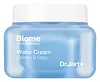
This barrier-repair moisturizer is formulated around Niacinamide and Hyaluronic Acid to strengthen the skin barrier and hydrate skin.
This calming moisturizer is formulated around Dipotassium Glycyrrhizate and Hydrolyzed Hyaluronic Acid to calm redness and hydrate skin.

What's inside
What's inside
 Key Ingredients
Benefits
Concerns
Ingredients Side-by-side
Streptococcus Thermophilus Ferment
Humectant

Water
Skin ConditioningPropanediol
Solvent

Glycerin
Humectant
Phenyl Trimethicone
Skin Conditioning
1,2-Hexanediol
Skin Conditioning
Niacinamide
Smoothing









Butylene Glycol
Humectant
Hyaluronic Acid
Humectant
Hydrolyzed Hyaluronic Acid
Humectant
Sodium Hyaluronate
Humectant
Malachite Extract
Antioxidant
Tremella Fuciformis Extract
Humectant
Citrus Aurantium Dulcis Peel Oil
Masking

Eucalyptus Globulus Leaf Oil
Perfuming


Pinus Sylvestris Leaf Oil
Masking
Citrus Aurantium Bergamia Fruit Oil
Masking
Neopentyl Glycol Dicaprate
EmollientPentylene Glycol
Skin Conditioning
Raffinose
Skin ConditioningDNA
Skin ConditioningAmmonium Acryloyldimethyltaurate/Vp Copolymer
Hydroxyethyl Acrylate/Sodium Acryloyldimethyl Taurate Copolymer
Emulsion StabilisingPolymethylsilsesquioxane
Vinyldimethicone
Acrylates/C10-30 Alkyl Acrylate Crosspolymer
Emulsion StabilisingHydroxyacetophenone
Antioxidant
Tromethamine
BufferingDimethiconol
Emollient
Glyceryl Glucoside
Humectant
Ethylhexylglycerin
Skin ConditioningCellulose Gum
Emulsion StabilisingMicrocrystalline Cellulose
AbsorbentAdenosine
Skin Conditioning
Sorbitan Isostearate
Emulsifying
Glycine
Buffering
Proline
Skin Conditioning
Fructose
Humectant
Disodium EDTA
ChelatingStreptococcus Thermophilus Ferment, Water, Propanediol, Glycerin, Phenyl Trimethicone, 1,2-Hexanediol, Niacinamide, Butylene Glycol, Hyaluronic Acid, Hydrolyzed Hyaluronic Acid, Sodium Hyaluronate, Malachite Extract, Tremella Fuciformis Extract, Citrus Aurantium Dulcis Peel Oil, Eucalyptus Globulus Leaf Oil, Pinus Sylvestris Leaf Oil, Citrus Aurantium Bergamia Fruit Oil, Neopentyl Glycol Dicaprate, Pentylene Glycol, Raffinose, DNA, Ammonium Acryloyldimethyltaurate/Vp Copolymer, Hydroxyethyl Acrylate/Sodium Acryloyldimethyl Taurate Copolymer, Polymethylsilsesquioxane, Vinyldimethicone, Acrylates/C10-30 Alkyl Acrylate Crosspolymer, Hydroxyacetophenone, Tromethamine, Dimethiconol, Glyceryl Glucoside, Ethylhexylglycerin, Cellulose Gum, Microcrystalline Cellulose, Adenosine, Sorbitan Isostearate, Glycine, Proline, Fructose, Disodium EDTA
Water
Skin ConditioningGlycerin
Humectant
Cyclopentasiloxane
Emollient
Butylene Glycol
Humectant
Dimethicone
Emollient
Alcohol Denat.
Antimicrobial


Pentylene Glycol
Skin Conditioning
PEG/PPG/Polybutylene Glycol-8/5/3 Glycerin
HumectantAmmonium Acryloyldimethyltaurate/Vp Copolymer
Raffinose
Skin ConditioningCaprylyl Glycol
Emollient
Dimethiconol
Emollient
Parfum
Masking
Acrylates/C10-30 Alkyl Acrylate Crosspolymer
Emulsion StabilisingXanthan Gum
EmulsifyingTromethamine
BufferingDipotassium Glycyrrhizate
Humectant
Disodium EDTA
ChelatingPhenoxyethanol
Preservative
Biosaccharide Gum-1
Humectant
Hydrolyzed Hyaluronic Acid
Humectant
Polygonum Fagopyrum Seed Extract
Skin ConditioningMadecassoside
Antioxidant
Aloe Barbadensis Leaf Extract
Emollient
Dipropylene Glycol
HumectantActinidia Chinensis Fruit Extract
EmollientSolanum Lycopersicum Fruit/Leaf/Stem Extract
AstringentSodium Palmitoyl Proline
Skin ConditioningNymphaea Alba Flower Extract
Skin ConditioningHydrolyzed Extensin
Skin ConditioningPolydecene
Skin ConditioningSaccharide Isomerate
Humectant
Polyglutamic Acid
Skin Conditioning
Sucrose
Humectant
Serine
Masking
Arginine
Masking
PCA
Humectant
Alanine
Masking
Squalane
Emollient
Viscum Album Fruit Extract
SoothingThreonine
Mourera Fluviatilis Extract
Skin ConditioningSodium Citrate
BufferingCitric Acid
Buffering
Magnesium Gluconate
Skin ConditioningCalcium Gluconate
HumectantZinc Gluconate
Skin Conditioning
Water, Glycerin, Cyclopentasiloxane, Butylene Glycol, Dimethicone, Alcohol Denat., Pentylene Glycol, PEG/PPG/Polybutylene Glycol-8/5/3 Glycerin, Ammonium Acryloyldimethyltaurate/Vp Copolymer, Raffinose, Caprylyl Glycol, Dimethiconol, Parfum, Acrylates/C10-30 Alkyl Acrylate Crosspolymer, Xanthan Gum, Tromethamine, Dipotassium Glycyrrhizate, Disodium EDTA, Phenoxyethanol, Biosaccharide Gum-1, Hydrolyzed Hyaluronic Acid, Polygonum Fagopyrum Seed Extract, Madecassoside, Aloe Barbadensis Leaf Extract, Dipropylene Glycol, Actinidia Chinensis Fruit Extract, Solanum Lycopersicum Fruit/Leaf/Stem Extract, Sodium Palmitoyl Proline, Nymphaea Alba Flower Extract, Hydrolyzed Extensin, Polydecene, Saccharide Isomerate, Polyglutamic Acid, Sucrose, Serine, Arginine, PCA, Alanine, Squalane, Viscum Album Fruit Extract, Threonine, Mourera Fluviatilis Extract, Sodium Citrate, Citric Acid, Magnesium Gluconate, Calcium Gluconate, Zinc Gluconate
Reviews
Ingredients Explained
These ingredients are found in both products.
Ingredients higher up in an ingredient list are typically present in a larger amount.
Acrylates/C10-30 Alkyl Acrylate Crosspolymer is a synthetic polymer. It is used to thicken, emulsify, and improve the texture of products.
As an emulsifier, it helps stabilize oil-in-water emulsions to give products an elegant feel when applied.
It can also form a thin protective film on skin. One study found that a formula using this polymer helped slow down how quickly other ingredients (like DEET) were absorbed through skin.
A 2024 study of over 1,300 patients confirmed that sensitization to this ingredient is rare. It is also non-mutagenic and has a clean track record.
Learn more about Acrylates/C10-30 Alkyl Acrylate CrosspolymerAmmonium Acryloyldimethyltaurate/Vp Copolymer is a synthetically created polymer. It's used as a film-forming agent and used to thicken the consistency of products.
Think of it as a supportive ingredient that helps your gel-creams feel silky, "cloud cream-like", and spread evenly without being greasy.
The Cosmetic Ingredient Review (CIR) Expert Panel evaluated it (along with 22 other acryloyldimethyltaurate polymers) and concluded it's:
Due to its large molecular size, it sits on the surface of skin rather than penetrating it.
Learn more about Ammonium Acryloyldimethyltaurate/Vp CopolymerButylene Glycol (or BG) is used within cosmetic products for a few different reasons:
Overall, Butylene Glycol is a safe and well-rounded ingredient that works well with other ingredients.
Though this ingredient works well with most skin types, some people with sensitive skin may experience a reaction such as allergic rashes, closed comedones, or itchiness.
Learn more about Butylene GlycolDimethiconol is a silicone that resembles the popular dimethicone. Like other silicones, it is an emollient. Emollients create a thin film on skin to prevent moisture from escaping.
This ingredient helps to create a silky texture and improve spreadability. Due to its high molecular weight and thickness, it is often combined with cyclopentasiloxane.
Disodium EDTA is a chelating agent. It grabs onto and deactivates metal ions that sneak into your products from water, packaging, or air.
This ingredient mainly works behind the scenes and helps with:
On top of that, this ingredient can counteract the effects of hard water by binding to the minerals in it.
One thing worth knowing is that Disodium EDTA has been shown to be a mild penetration enhancer. It can help other ingredients absorb into skin more effectively which can be a double-edged sword (great for actives, but can also make the active too strong if you have sensitive skin).
Clinical patch testing showed no significant skin irritation at typical use concentrations and minimal dermal absorption.
You'll most likely see this ingredient near the end of an ingredient list. It's typically found in concentrations less than 1%.
Learn more about Disodium EDTAGlycerin (or glycerol) is a compound naturally found in your skin. It's a powerhouse humectant that pulls water into the stratum corneum.
Topically, glycerin does several things at once:
Your skin makes glycerin on its own (mostly from sebaceous oil breakdown) and shuttles it to your outermost layer of skin, or your epidermis, via aquaporin-3.
Aquaporin-3 is a transporter that is essential for normal skin hydration, elasticity, and repair. Interestingly, mice lacking in AQP3 have dry and less elastic skin that can be fully corrected with glycerin.
This ingredient is non-irritating, plays well with almost every ingredient, and works across all skin types. Typical use is anywhere between 3-10% but can go up to 79% in some leave-on products.
Just know very high concentrations (>40%) can feel tacky in low humidity.
Glycerin is the name for this ingredient in American English. British English uses Glycerol/Glycerine.
Learn more about GlycerinHydrolyzed Hyaluronic Acid is hyaluronic acid (HA) that is broken down into lower molecular weight fragments.
It's a humectant that pulls and holds water in the skin to help with hydration, plumpness, and reduce transepidermal water loss.
Because hydrolyzed hyaluronic acid is smaller in size, it can slip past your outermost layer of skin more easily than full-sized HA.
Most formulations will combine all sizes to get the best of both worlds.
Typical usage levels range from 0.01-1%. Any percentage higher than 2% might become goopy and tacky.
Learn more about Hydrolyzed Hyaluronic AcidPentylene Glycol (1,2-pentanediol) is a multitasking little diol with three main roles in a formula:
Research on alkanediols (the family pentylene glycol belongs to) show they work by disrupting microbial cell membranes. This disruption helps the primary preservative system in a product work more effectively at lower doses.
On the safety side, the Cosmetic Ingredient Review Expert Panel has concluded this ingredient to be safe as used in current cosmetic practices + concentrations.
Typical use levels in a formula run about 1-5%.
Learn more about Pentylene GlycolWe don't have a description for Raffinose yet.
Tromethamine (aka THAM) is a synthetic amino acid that shows up in skincare as a helper ingredient.
It functions as a pH adjuster to help neutralize acidic ingredients and set a formula's pH to the right spot.
This matters a lot because a lot of actives (like vitamin C) needs a specific pH to work well and feel comfortable on skin.
Concentration use ranges from 0.1-1.0% depending on the formula.
Learn more about TromethamineWater. It's the most common cosmetic ingredient of all. You'll usually see it at the top of ingredient lists, meaning that it makes up the largest part of the product.
So why is it so popular? Water most often acts as a solvent - this means that it helps dissolve other ingredients into the formulation.
You'll also recognize water as that liquid we all need to stay alive. If you see this, drink a glass of water. Remember to stay hydrated!
Learn more about Water

