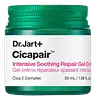
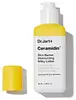
Dr. Jart+ Cicapair Intensive Soothing Repair Gel Cream Versus Dr. Jart+ Ceramidin Skin Barrier Moisturising Milky Lotion
This calming moisturizer is formulated around Niacinamide and Centella Asiatica Leaf Extract to calm redness and strengthen the skin barrier.
This barrier-repair moisturizer is formulated around Panthenol and Ceramide NP to strengthen the skin barrier and hydrate skin.

What's inside
What's inside
 Key Ingredients
Benefits
Concerns
Ingredients Side-by-side
Water
Skin ConditioningDipropylene Glycol
HumectantGlycerin
Humectant


Butylene Glycol
Humectant
Caprylyl Methicone
Skin Conditioning
Pentylene Glycol
Skin Conditioning
Niacinamide
Smoothing









1,2-Hexanediol
Skin Conditioning
Cetearyl Olivate


Theobroma Cacao Extract
Skin ConditioningCentella Asiatica Leaf Extract
Skin Conditioning
Hydrogenated Polydecene
EmollientGlyceryl Caprylate
EmollientAllantoin
Skin Conditioning
Asiaticoside
Antioxidant
Madecassic Acid
Skin Conditioning
Asiatic Acid
Skin Conditioning
Adenosine
Skin Conditioning
Polyglyceryl-4 Oleate
Emulsifying
Sodium Stearoyl Glutamate
CleansingPalmitoyl Tripeptide-8
Skin Conditioning
Sorbitan Olivate
Emulsifying
C14-22 Alcohols
Emulsion Stabilising
Tromethamine
BufferingAmmonium Acryloyldimethyltaurate/Vp Copolymer
Acrylates/C10-30 Alkyl Acrylate Crosspolymer
Emulsion StabilisingCarbomer
Emulsion StabilisingBoron Nitride
Absorbent
Propanediol
Solvent
Isopentyldiol
Humectant
Dextrin
AbsorbentC12-20 Alkyl Glucoside
EmulsifyingSodium Surfactin
CleansingDextran
Sodium Phytate
CI 19140
Cosmetic ColorantCI 42090
Cosmetic ColorantWater, Dipropylene Glycol, Glycerin, Butylene Glycol, Caprylyl Methicone, Pentylene Glycol, Niacinamide, 1,2-Hexanediol, Cetearyl Olivate, Theobroma Cacao Extract, Centella Asiatica Leaf Extract, Hydrogenated Polydecene, Glyceryl Caprylate, Allantoin, Asiaticoside, Madecassic Acid, Asiatic Acid, Adenosine, Polyglyceryl-4 Oleate, Sodium Stearoyl Glutamate, Palmitoyl Tripeptide-8, Sorbitan Olivate, C14-22 Alcohols, Tromethamine, Ammonium Acryloyldimethyltaurate/Vp Copolymer, Acrylates/C10-30 Alkyl Acrylate Crosspolymer, Carbomer, Boron Nitride, Propanediol, Isopentyldiol, Dextrin, C12-20 Alkyl Glucoside, Sodium Surfactin, Dextran, Sodium Phytate, CI 19140, CI 42090
Water
Skin ConditioningGlycerin
Humectant
Dicaprylyl Carbonate
EmollientOctyldodecanol
Emollient
Butylene Glycol
Humectant
Diisostearyl Malate
EmollientPentylene Glycol
Skin Conditioning
Panthenol
Skin Conditioning
Diglycerin
Humectant
Vinyldimethicone
1,2-Hexanediol
Skin Conditioning
Cetearyl Olivate
Hydrogenated Vegetable Oil
Emollient


Sorbitol
Humectant
Ceramide NP
Skin Conditioning
Polyglyceryl-3 Diisostearate
Emulsifying
Theobroma Cacao Extract
Skin ConditioningTromethamine
BufferingCetearyl Alcohol
Emollient
Cyclodextrin
AbsorbentSilica
Abrasive
Hydroxyethyl Acrylate/Sodium Acryloyldimethyl Taurate Copolymer
Emulsion StabilisingSorbitan Olivate
Emulsifying
Glyceryl Stearate
Emollient
Acrylates/C10-30 Alkyl Acrylate Crosspolymer
Emulsion StabilisingC12-16 Alcohols
EmollientPalmitic Acid
Emollient
Hydrogenated Lecithin
Emulsifying
Lecithin
Emollient
Sorbitan Isostearate
Emulsifying
Dextrin
AbsorbentParfum
Masking


Sodium Phytate
Tocopherol
Antioxidant
Phenoxyethanol
Preservative
CI 19140
Cosmetic ColorantWater, Glycerin, Dicaprylyl Carbonate, Octyldodecanol, Butylene Glycol, Diisostearyl Malate, Pentylene Glycol, Panthenol, Diglycerin, Vinyldimethicone, 1,2-Hexanediol, Cetearyl Olivate, Hydrogenated Vegetable Oil, Sorbitol, Ceramide NP, Polyglyceryl-3 Diisostearate, Theobroma Cacao Extract, Tromethamine, Cetearyl Alcohol, Cyclodextrin, Silica, Hydroxyethyl Acrylate/Sodium Acryloyldimethyl Taurate Copolymer, Sorbitan Olivate, Glyceryl Stearate, Acrylates/C10-30 Alkyl Acrylate Crosspolymer, C12-16 Alcohols, Palmitic Acid, Hydrogenated Lecithin, Lecithin, Sorbitan Isostearate, Dextrin, Parfum, Sodium Phytate, Tocopherol, Phenoxyethanol, CI 19140
Reviews
Ingredients Explained
These ingredients are found in both products.
Ingredients higher up in an ingredient list are typically present in a larger amount.
1,2-Hexanediol is a synthetic liquid and another multi-functional powerhouse.
It is a:
- Humectant, drawing moisture into the skin
- Emollient, helping to soften skin
- Solvent, dispersing and stabilizing formulas
- Preservative booster, enhancing the antimicrobial activity of other preservatives
Acrylates/C10-30 Alkyl Acrylate Crosspolymer is a synthetic polymer. It is used to thicken, emulsify, and improve the texture of products.
As an emulsifier, it helps stabilize oil-in-water emulsions to give products an elegant feel when applied.
It can also form a thin protective film on skin. One study found that a formula using this polymer helped slow down how quickly other ingredients (like DEET) were absorbed through skin.
A 2024 study of over 1,300 patients confirmed that sensitization to this ingredient is rare. It is also non-mutagenic and has a clean track record.
Learn more about Acrylates/C10-30 Alkyl Acrylate CrosspolymerButylene Glycol (or BG) is used within cosmetic products for a few different reasons:
Overall, Butylene Glycol is a safe and well-rounded ingredient that works well with other ingredients.
Though this ingredient works well with most skin types, some people with sensitive skin may experience a reaction such as allergic rashes, closed comedones, or itchiness.
Learn more about Butylene GlycolCetearyl Olivate is a plant-derived emulsifier and texture enhancer. It helps keep the oil and water phases from separating so your formulas stay stable.
You'll likely see it combined with Sorbitan Olivate (together sold as the trade name Olivem 1000). This combination generates a liquid crystal structure that closely resemble the lipid organization of the stratum corneum.
These "skin-like" liquid crystals improve skin barrier integrity and promote the delivery of actives into the skin.
This ingredient is well-tolerated and has no significant sensitization data.
Because it is derived from the fatty acids in olive oil, this ingredient may not be fungal acne safe.
Learn more about Cetearyl OlivateCI 19140 is also known as Tartrazine. Tartrazine is a synthetic dye used in cosmetics, foods, and medicine to add a yellow color.
Tartrazine is created from petroleum and is water-soluble.
Some people may experience allergies from this dye, especially asthmatics and those with an aspirin intolerance.
Learn more about CI 19140Dextrin is a starch-derived polysaccharide. It's made by partially breaking down corn, potato, or other plant starches.
Think of it as "half-processed" starch; it's less complex than the original but not fully broken down into sugar like maltodextrin.
In cosmetics, it mainly functions as a bulking agent, viscosity controller, binder, and absorbent. It helps thicken products, stabilize powders, and get certain textures a less "wet" feel.
This ingredient has a pretty solid safety profile; it's recognized as a safe food additive and its large molecular size means it doesn't meaningfully penetrate skin.
Human repeat insult patch tests using a rinse-off facial product containing 42.69% dextrin found no skin irritation or sensitization in 54 subjects.
Typical real-world usage is much lower: usually under 1% as a texture modifier and up to 40% in masks (rinse off products use less).
Learn more about DextrinGlycerin (or glycerol) is a compound naturally found in your skin. It's a powerhouse humectant that pulls water into the stratum corneum.
Topically, glycerin does several things at once:
Your skin makes glycerin on its own (mostly from sebaceous oil breakdown) and shuttles it to your outermost layer of skin, or your epidermis, via aquaporin-3.
Aquaporin-3 is a transporter that is essential for normal skin hydration, elasticity, and repair. Interestingly, mice lacking in AQP3 have dry and less elastic skin that can be fully corrected with glycerin.
This ingredient is non-irritating, plays well with almost every ingredient, and works across all skin types. Typical use is anywhere between 3-10% but can go up to 79% in some leave-on products.
Just know very high concentrations (>40%) can feel tacky in low humidity.
Glycerin is the name for this ingredient in American English. British English uses Glycerol/Glycerine.
Learn more about GlycerinPentylene Glycol (1,2-pentanediol) is a multitasking little diol with three main roles in a formula:
Research on alkanediols (the family pentylene glycol belongs to) show they work by disrupting microbial cell membranes. This disruption helps the primary preservative system in a product work more effectively at lower doses.
On the safety side, the Cosmetic Ingredient Review Expert Panel has concluded this ingredient to be safe as used in current cosmetic practices + concentrations.
Typical use levels in a formula run about 1-5%.
Learn more about Pentylene GlycolSodium Phytate is the synthetic salt form of phytic acid. Phytic acid is an antioxidant and can be found in plant seeds.
Sodium Phytate is a chelating agent. Chelating agents help prevent metals from binding to water. This helps stabilize the ingredients and the product.
Sorbitan Olivate is created from the fatty acids in olive oil and sorbitol.
This ingredient is an oil in water emulsifier. It helps stabilize a product by preventing oils and waters from separating. Sorbitan Olivate also helps hydrate the skin.
This ingredient is also known as part of Olivem 1000, with Cetearyl Olivate being the other part.
According to a manufacturer, this ingredient helps preserve the natural microbiome of skin. Having a healthy microbiome helps keep our skin healthy and protects against harmful bacteria.
Please note, having a healthy microbiome is different from fungal acne; a healthy microbiome includes small amounts of yeast that normally live on your skin without causing problems.
Fungal acne happens when one type of yeast (Malassezia) grows out of control. This is usually because it's feeding on certain oils or fatty acids. Due to the olive oil base, this ingredient may not be fungal acne safe.
Learn more about Sorbitan OlivateThis ingredient is extracted from the seeds of the cocoa tree.
Cacao seeds contain antioxidants known as polyphenols. These include flavonoids, procyanidins, and epicatechins.
Studies show these polyphenols help improve skin health.
The more famous ingredient from cocoa tree is cocoa butter.
Learn more about Theobroma Cacao ExtractTromethamine (aka THAM) is a synthetic amino acid that shows up in skincare as a helper ingredient.
It functions as a pH adjuster to help neutralize acidic ingredients and set a formula's pH to the right spot.
This matters a lot because a lot of actives (like vitamin C) needs a specific pH to work well and feel comfortable on skin.
Concentration use ranges from 0.1-1.0% depending on the formula.
Learn more about TromethamineWater. It's the most common cosmetic ingredient of all. You'll usually see it at the top of ingredient lists, meaning that it makes up the largest part of the product.
So why is it so popular? Water most often acts as a solvent - this means that it helps dissolve other ingredients into the formulation.
You'll also recognize water as that liquid we all need to stay alive. If you see this, drink a glass of water. Remember to stay hydrated!
Learn more about Water

