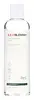
This calming toner is formulated around Niacinamide and Centella Asiatica Extract to calm redness and clear breakouts.
This calming toner is formulated around Centella Asiatica Leaf Extract and Lactobionic Acid to calm redness and strengthen the skin barrier.


What's inside
What's inside
 Key Ingredients
Benefits
Concerns
No concerns
Ingredients Side-by-side
Water
Skin ConditioningDipropylene Glycol
HumectantPropanediol
Solvent

Pentylene Glycol
Skin Conditioning
Niacinamide
Smoothing










Butylene Glycol
Humectant
Glycerin
Humectant
Portulaca Oleracea Extract
Skin Conditioning
Centella Asiatica Extract
Cleansing
Ficus Carica Fruit Extract
Humectant
Salix Alba Bark Extract
Astringent
Saccharum Officinarum Extract
MoisturisingMalus Domestica Fruit Extract
Antioxidant
Aloe Ferox Leaf Extract
Skin ConditioningHydrogenated Lecithin
Emulsifying
Panthenol
Skin Conditioning
Raffinose
Skin ConditioningAcrylates/C10-30 Alkyl Acrylate Crosspolymer
Emulsion StabilisingTromethamine
BufferingDisodium EDTA
ChelatingBetaine
Humectant
Beta-Glucan
Skin Conditioning
Madecassoside
Antioxidant
Ceramide NP
Skin Conditioning
Madecassic Acid
Skin Conditioning
Asiaticoside
Antioxidant
Asiatic Acid
Skin Conditioning
Ethylhexylglycerin
Skin Conditioning1,2-Hexanediol
Skin Conditioning
Caprylyl Glycol
Emollient
Water, Dipropylene Glycol, Propanediol, Pentylene Glycol, Niacinamide, Butylene Glycol, Glycerin, Portulaca Oleracea Extract, Centella Asiatica Extract, Ficus Carica Fruit Extract, Salix Alba Bark Extract, Saccharum Officinarum Extract, Malus Domestica Fruit Extract, Aloe Ferox Leaf Extract, Hydrogenated Lecithin, Panthenol, Raffinose, Acrylates/C10-30 Alkyl Acrylate Crosspolymer, Tromethamine, Disodium EDTA, Betaine, Beta-Glucan, Madecassoside, Ceramide NP, Madecassic Acid, Asiaticoside, Asiatic Acid, Ethylhexylglycerin, 1,2-Hexanediol, Caprylyl Glycol
Water
Skin ConditioningGlycerin
Humectant
Chamomilla Recutita Flower Water
MaskingDipropylene Glycol
HumectantErythritol
Humectant
Astragalus Membranaceus Root Extract
Emollient
Allium Cepa Bulb Extract
Skin Conditioning
Centella Asiatica Leaf Extract
Skin Conditioning
Morinda Citrifolia Fruit Extract
Skin Conditioning
Moringa Oleifera Leaf Extract
Skin ConditioningLactobionic Acid
Buffering
Brassica Oleracea Italica Extract
AstringentMaltooligosyl Glucoside
Skin ConditioningDimethyl Isosorbide
SolventHydrogenated Starch Hydrolysate
HumectantDipeptide Diaminobutyroyl Benzylamide Diacetate
Skin Conditioning
Palmitoyl Camellia Sinensis Extract
Skin ConditioningPotassium Azeloyl Diglycinate
Skin Conditioning
Hydrolyzed Ginseng Saponins
Skin ConditioningArtemisia Capillaris Flower/Leaf/Stem Water
Masking
Calendula Officinalis Flower Extract
Masking
Polyglutamic Acid
Skin Conditioning
Salicylic Acid
Masking





Zinc PCA
Humectant
Ethylhexylglycerin
Skin ConditioningBifida Ferment Lysate
Skin Conditioning
Allantoin
Skin Conditioning
Hydroxyethyl Urea
Humectant
Chlorphenesin
Antimicrobial
Melaleuca Alternifolia Leaf Extract
Perfuming
Dipotassium Glycyrrhizate
Humectant
Acrylates/C10-30 Alkyl Acrylate Crosspolymer
Emulsion StabilisingNiacinamide
Smoothing
Saccharide Isomerate
Humectant
Tocopheryl Succinate
Antioxidant
Ceramide NP
Skin Conditioning
Arginine
Masking
Astaxanthin
Skin Conditioning
Lactococcus Ferment Lysate
Skin Conditioning
Lactobacillus Ferment Lysate
Skin Conditioning
Tetrahexyldecyl Ascorbate
Antioxidant
Pantothenic Acid
Skin ConditioningXanthan Gum
EmulsifyingAcetyl Octapeptide-3
Humectant
Hexylresorcinol
Antimicrobial
Tetrahydrodiferuloylmethane
Antioxidant
Disodium EDTA
ChelatingCopper Tripeptide-1
Skin Conditioning
Glycereth-26
Humectant
Acetyl Hexapeptide-8
Humectant
Hydroxyacetophenone
Antioxidant
Sodium Hyaluronate Crosspolymer
Humectant
Hyaluronic Acid
Humectant
Water, Glycerin, Chamomilla Recutita Flower Water, Dipropylene Glycol, Erythritol, Astragalus Membranaceus Root Extract, Allium Cepa Bulb Extract, Centella Asiatica Leaf Extract, Morinda Citrifolia Fruit Extract, Moringa Oleifera Leaf Extract, Lactobionic Acid, Brassica Oleracea Italica Extract, Maltooligosyl Glucoside, Dimethyl Isosorbide, Hydrogenated Starch Hydrolysate, Dipeptide Diaminobutyroyl Benzylamide Diacetate, Palmitoyl Camellia Sinensis Extract, Potassium Azeloyl Diglycinate, Hydrolyzed Ginseng Saponins, Artemisia Capillaris Flower/Leaf/Stem Water, Calendula Officinalis Flower Extract, Polyglutamic Acid, Salicylic Acid, Zinc PCA, Ethylhexylglycerin, Bifida Ferment Lysate, Allantoin, Hydroxyethyl Urea, Chlorphenesin, Melaleuca Alternifolia Leaf Extract, Dipotassium Glycyrrhizate, Acrylates/C10-30 Alkyl Acrylate Crosspolymer, Niacinamide, Saccharide Isomerate, Tocopheryl Succinate, Ceramide NP, Arginine, Astaxanthin, Lactococcus Ferment Lysate, Lactobacillus Ferment Lysate, Tetrahexyldecyl Ascorbate, Pantothenic Acid, Xanthan Gum, Acetyl Octapeptide-3, Hexylresorcinol, Tetrahydrodiferuloylmethane, Disodium EDTA, Copper Tripeptide-1, Glycereth-26, Acetyl Hexapeptide-8, Hydroxyacetophenone, Sodium Hyaluronate Crosspolymer, Hyaluronic Acid
Reviews
Ingredients Explained
These ingredients are found in both products.
Ingredients higher up in an ingredient list are typically present in a larger amount.
Acrylates/C10-30 Alkyl Acrylate Crosspolymer is a synthetic polymer. It is used to thicken, emulsify, and improve the texture of products.
As an emulsifier, it helps stabilize oil-in-water emulsions to give products an elegant feel when applied.
It can also form a thin protective film on skin. One study found that a formula using this polymer helped slow down how quickly other ingredients (like DEET) were absorbed through skin.
A 2024 study of over 1,300 patients confirmed that sensitization to this ingredient is rare. It is also non-mutagenic and has a clean track record.
Learn more about Acrylates/C10-30 Alkyl Acrylate CrosspolymerCeramide NP (formerly known as Ceramide 3) is one of the skin's naturally occurring lipids.
Since ceramides are the major lipid components of the skin, they are crucial for maintaining skin barrier and hydration. Ceramide NP most closely mirrors the dominant kind in human skin amongst ceramide subtypes.
This ceramide works by slotting into gaps within the stratum corneum's lipid matrix to limit trans-epidermal water loss (TEWL) and shield the skin against external irritants.
A study with 312 patients found that using a ceramide-containing routine for 4 weeks reduced the severity of atopic dermatitis by over 61%.
Another clinical study in subjects aged 60 and older found that a ceramide body wash and moisturizer improved skin dryness and itchy skin in 15 days.
Overall, ceramides are considered non-irritating and safety tests have found little to no observable adverse effects from using this ingredient.
Ceramide NP is usually sourced from plants (like soybean or rice bran), or produced synthetically.
Learn more about Ceramide NPDipropylene Glycol is a synthetically created humectant, stabilizer, and solvent.
This ingredient helps:
Dipropylene glycol is technically an alcohol, but it belongs to the glycol family (often considered part of the ‘good’ alcohols). This means it is hydrating and gentle on skin unlike drying solvent alcohols like denatured alcohol.
As a masking agent, Dipropylene Glycol can be used to cover the smell of other ingredients. However, it does not have a scent.
Studies show Dipropylene Glycol is considered safe to use in skincare.
Learn more about Dipropylene GlycolDisodium EDTA is a chelating agent. It grabs onto and deactivates metal ions that sneak into your products from water, packaging, or air.
This ingredient mainly works behind the scenes and helps with:
On top of that, this ingredient can counteract the effects of hard water by binding to the minerals in it.
One thing worth knowing is that Disodium EDTA has been shown to be a mild penetration enhancer. It can help other ingredients absorb into skin more effectively which can be a double-edged sword (great for actives, but can also make the active too strong if you have sensitive skin).
Clinical patch testing showed no significant skin irritation at typical use concentrations and minimal dermal absorption.
You'll most likely see this ingredient near the end of an ingredient list. It's typically found in concentrations less than 1%.
Learn more about Disodium EDTAEthylhexylglycerin is created from glycerin. It is a multitasker ingredient that:
The CIR Expert Panel found minimal skin absorption or sensitization of any kind in a safety assessment. Though this ingredient is considered well-tolerated, a small number of cases of allergic dermatitis have been published since 2002. Just be sure to patch test if you are unsure.
Industry-reported use ranges from 8% in rinse-off products and 2% in leave-on formulations.
Learn more about EthylhexylglycerinGlycerin (or glycerol) is a compound naturally found in your skin. It's a powerhouse humectant that pulls water into the stratum corneum.
Topically, glycerin does several things at once:
Your skin makes glycerin on its own (mostly from sebaceous oil breakdown) and shuttles it to your outermost layer of skin, or your epidermis, via aquaporin-3.
Aquaporin-3 is a transporter that is essential for normal skin hydration, elasticity, and repair. Interestingly, mice lacking in AQP3 have dry and less elastic skin that can be fully corrected with glycerin.
This ingredient is non-irritating, plays well with almost every ingredient, and works across all skin types. Typical use is anywhere between 3-10% but can go up to 79% in some leave-on products.
Just know very high concentrations (>40%) can feel tacky in low humidity.
Glycerin is the name for this ingredient in American English. British English uses Glycerol/Glycerine.
Learn more about GlycerinNiacinamide is a multitasking form of vitamin B3 that strengthens the skin barrier, reduces pores and dark spots, regulates oil, and improves signs of aging.
And the best part? It's gentle and well-tolerated by most skin types, including sensitive and reactive skin.
You might have heard of "niacin flush", or the reddening of skin that causes itchiness. Niacinamide has not been found to cause this.
In very rare cases, some individuals may not be able to tolerate niacinamide at all or experience an allergic reaction to it.
If you are experiencing flaking, irritation, and dryness with this ingredient, be sure to double check all your products as this ingredient can be found in all categories of skincare.
When incorporating niacinamide into your routine, look out for concentration amounts. Typically, 5% niacinamide provides benefits such as fading dark spots. However, if you have sensitive skin, it is better to begin with a smaller concentration.
When you apply niacinamide to your skin, your body converts it into nicotinamide adenine dinucleotide (NAD). NAD is an essential coenzyme that is already found in your cells as "fuel" and powers countless biological processes.
In your skin, NAD helps repair cell damage, produce new healthy cells, support collagen production, strengthen the skin barrier, and fight environmental stressors (like UV and pollution).
Our natural NAD levels start to decline with age, leading to slower skin repair, visible aging, and a weaker skin barrier. By providing your skin niacinamide, you're recharging your skin's NAD levels. This leads to stronger, healthier, and younger looking skin.
Another name for vitamin B3 is nicotinamide. This vitamin is water-soluble and our bodies don't store it. We obtain Vitamin B3 from either food or skincare. Meat, fish, wheat, yeast, and leafy greens contain vitamin B3.
The type of niacinamide used in skincare is synthetically created.
Learn more about NiacinamideWater. It's the most common cosmetic ingredient of all. You'll usually see it at the top of ingredient lists, meaning that it makes up the largest part of the product.
So why is it so popular? Water most often acts as a solvent - this means that it helps dissolve other ingredients into the formulation.
You'll also recognize water as that liquid we all need to stay alive. If you see this, drink a glass of water. Remember to stay hydrated!
Learn more about Water

