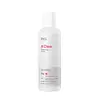
This acne toner is formulated around Mandelic Acid and Centella Asiatica Extract to clear breakouts and calm redness.
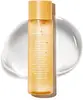
This brightening toner is formulated around Niacinamide and 3-O-Ethyl Ascorbic Acid to fade the look of dark spots and brighten dull-looking skin.

What's inside
What's inside
 Key Ingredients
Benefits
Concerns
No concerns
Ingredients Side-by-side
Water
Skin ConditioningPentylene Glycol
Skin Conditioning
Propanediol
Solvent
1,2-Hexanediol
Skin Conditioning
Glycereth-26
Humectant
Ethoxydiglycol
HumectantSuccinic Acid
BufferingPanthenol
Skin Conditioning


Tromethamine
BufferingLactobacillus Ferment
Skin Conditioning
Disodium EDTA
ChelatingButylene Glycol
Humectant
Ectoin
Skin Conditioning

Lactobionic Acid
Buffering





Mandelic Acid
Antimicrobial



Capryloyl Salicylic Acid
Exfoliating
Centella Asiatica Extract
Cleansing
Houttuynia Cordata Extract
Skin Conditioning
Mentha Aquatica Extract
TonicMentha Suaveolens Leaf Extract
AstringentMentha Viridis Extract
MaskingAsiatic Acid
Skin Conditioning
Asiaticoside
Antioxidant
Madecassic Acid
Skin Conditioning
Madecassoside
Antioxidant
Water, Pentylene Glycol, Propanediol, 1,2-Hexanediol, Glycereth-26, Ethoxydiglycol, Succinic Acid, Panthenol, Tromethamine, Lactobacillus Ferment, Disodium EDTA, Butylene Glycol, Ectoin, Lactobionic Acid, Mandelic Acid, Capryloyl Salicylic Acid, Centella Asiatica Extract, Houttuynia Cordata Extract, Mentha Aquatica Extract, Mentha Suaveolens Leaf Extract, Mentha Viridis Extract, Asiatic Acid, Asiaticoside, Madecassic Acid, Madecassoside
Water
Skin ConditioningDipropylene Glycol
HumectantGlycerin
Humectant
1,2-Hexanediol
Skin Conditioning
Niacinamide
Smoothing
Polyglycerin-3
Humectant
Acrylates/C10-30 Alkyl Acrylate Crosspolymer
Emulsion StabilisingTromethamine
BufferingErythritol
Humectant
Butylene Glycol
Humectant
Ethylhexylglycerin
Skin Conditioning3-O-Ethyl Ascorbic Acid
Skin Conditioning
Adenosine
Skin Conditioning
Disodium EDTA
ChelatingPentylene Glycol
Skin Conditioning
Madecassoside
Antioxidant
Glutathione
Acetyl Glucosamine
Skin Conditioning
Asiaticoside
Antioxidant
Centella Asiatica Leaf Extract
Skin Conditioning
Hydrogenated Lecithin
Emulsifying
Cholesterol
Emollient
Tocopherol
Antioxidant
Chitosan
Ascorbic Acid
Antioxidant
Ascorbyl Glucoside
Antioxidant
Ceramide NP
Skin Conditioning
Malus Domestica Fruit Cell Culture Extract
Skin ConditioningAllantoin
Skin Conditioning
Capryloyl Salicylic Acid
Exfoliating
Ferulic Acid
Antimicrobial
Hydroxypropyltrimonium Hyaluronate
Panthenol
Skin Conditioning
Lactic Acid
Buffering
Propanediol
Solvent
Sodium Hyaluronate Crosspolymer
Humectant
Hydrolyzed Glycosaminoglycans
HumectantSodium Hyaluronate
Humectant
Benzyl Glycol
SolventBeta-Glucan
Skin Conditioning
Hydrolyzed Hyaluronic Acid
Humectant
Hyaluronic Acid
Humectant
Water, Dipropylene Glycol, Glycerin, 1,2-Hexanediol, Niacinamide, Polyglycerin-3, Acrylates/C10-30 Alkyl Acrylate Crosspolymer, Tromethamine, Erythritol, Butylene Glycol, Ethylhexylglycerin, 3-O-Ethyl Ascorbic Acid, Adenosine, Disodium EDTA, Pentylene Glycol, Madecassoside, Glutathione, Acetyl Glucosamine, Asiaticoside, Centella Asiatica Leaf Extract, Hydrogenated Lecithin, Cholesterol, Tocopherol, Chitosan, Ascorbic Acid, Ascorbyl Glucoside, Ceramide NP, Malus Domestica Fruit Cell Culture Extract, Allantoin, Capryloyl Salicylic Acid, Ferulic Acid, Hydroxypropyltrimonium Hyaluronate, Panthenol, Lactic Acid, Propanediol, Sodium Hyaluronate Crosspolymer, Hydrolyzed Glycosaminoglycans, Sodium Hyaluronate, Benzyl Glycol, Beta-Glucan, Hydrolyzed Hyaluronic Acid, Hyaluronic Acid
Reviews
Ingredients Explained
These ingredients are found in both products.
Ingredients higher up in an ingredient list are typically present in a larger amount.
1,2-Hexanediol is a synthetic liquid and another multi-functional powerhouse.
It is a:
- Humectant, drawing moisture into the skin
- Emollient, helping to soften skin
- Solvent, dispersing and stabilizing formulas
- Preservative booster, enhancing the antimicrobial activity of other preservatives
Asiaticoside comes from the super popular skin-soothing ingredient, Centella asiatica. It's the reason centella-based products have a strong reputation for repairing and calming skin, along with its sibling compound Madecassoside.
Research from 2016-2025 supports its role in:
You'll usually find this in concentrations between 0.2-5%.
Learn more about AsiaticosideButylene Glycol (or BG) is used within cosmetic products for a few different reasons:
Overall, Butylene Glycol is a safe and well-rounded ingredient that works well with other ingredients.
Though this ingredient works well with most skin types, some people with sensitive skin may experience a reaction such as allergic rashes, closed comedones, or itchiness.
Learn more about Butylene GlycolCapryloyl Salicylic Acid comes from salicylic acid, the famous acne-fighting BHA.
It usually goes by a more common name of LHA, or lipohydroxy acid.
Like salicylic acid, this ingredient is a chemical exfoliant that can help break down the oil in your pores and reduce inflammation.
Though studies for LHA do show it to be less effective than salicylic acid. To be fair, salicylic acid is the reigning monarch of acne treatments.
However, a study from 2009 found LHA to be comparable to BPO, making it a good alternative for people with sensitive skin. Another study of 14 patients found a significant decrease in comedones after using LHA.
Another pro of LHA? It is less irritating than salicylic acid due to its large molecule size.
Large molecules cannot penetrate skin as well, so they are gentler on the skin. LHA is much less penetrative than salicylic acid.
An in-vitro study (not done on a living organism) found only 6% of LHA penetrated past the statum corneum compared to 58% of salicylic acid. An in-vivo (done on a living organism) analysis revealed ~17% of LHA was still present in the top layer of skin after 4 days, versus ~9% of salicylic acid.
Interestingly, a study from 2008 found LHA comparable to another famous acid, glycolic acid.
This study found about 10% of LHA is as effective as 20-50% of glycolic acid in treating hyperpigmentation and fine-lines.
Hydroxy acids have been found to stimulate skin protein, lipids, and thermal thickening. This may have anti-aging benefits.
Learn more about Capryloyl Salicylic AcidDisodium EDTA is a chelating agent. It grabs onto and deactivates metal ions that sneak into your products from water, packaging, or air.
This ingredient mainly works behind the scenes and helps with:
On top of that, this ingredient can counteract the effects of hard water by binding to the minerals in it.
One thing worth knowing is that Disodium EDTA has been shown to be a mild penetration enhancer. It can help other ingredients absorb into skin more effectively which can be a double-edged sword (great for actives, but can also make the active too strong if you have sensitive skin).
Clinical patch testing showed no significant skin irritation at typical use concentrations and minimal dermal absorption.
You'll most likely see this ingredient near the end of an ingredient list. It's typically found in concentrations less than 1%.
Learn more about Disodium EDTAMadecassoside is one of four active compounds found in Centella asiatica and is one of the main reasons Centella is so effective at calming irritated skin and supporting the moisture barrier.
There's a solid body of peer-reviewed research backing Madecassoside for several skin benefits. Studies have found:
Madecassoside pairs well with other hydrating or antioxidant ingredients like Ascorbic Acid or Hyaluronic Acid.
Learn more about MadecassosidePanthenol is a common ingredient that helps hydrate and soothe the skin. It is found naturally in our skin and hair.
There are two forms of panthenol: D and L.
D-panthenol is also known as dexpanthenol. Most cosmetics use dexpanthenol or a mixture of D and L-panthenol.
Panthenol is famous due to its ability to go deeper into the skin's layers. Using this ingredient has numerous pros (and no cons):
Like hyaluronic acid, panthenol is a humectant. Humectants are able to bind and hold large amounts of water to keep skin hydrated.
This ingredient works well for wound healing. It works by increasing tissue in the wound and helps close open wounds.
Once oxidized, panthenol converts to pantothenic acid. Panthothenic acid is found in all living cells.
This ingredient is also referred to as pro-vitamin B5.
Learn more about PanthenolPentylene Glycol (1,2-pentanediol) is a multitasking little diol with three main roles in a formula:
Research on alkanediols (the family pentylene glycol belongs to) show they work by disrupting microbial cell membranes. This disruption helps the primary preservative system in a product work more effectively at lower doses.
On the safety side, the Cosmetic Ingredient Review Expert Panel has concluded this ingredient to be safe as used in current cosmetic practices + concentrations.
Typical use levels in a formula run about 1-5%.
Learn more about Pentylene GlycolPropanediol is an all-star ingredient. It softens, hydrates, and smooths the skin.
It’s often used to:
Propanediol is not likely to cause sensitivity and considered safe to use. It is derived from corn or petroleum with a clear color and no scent.
Learn more about PropanediolTromethamine (aka THAM) is a synthetic amino acid that shows up in skincare as a helper ingredient.
It functions as a pH adjuster to help neutralize acidic ingredients and set a formula's pH to the right spot.
This matters a lot because a lot of actives (like vitamin C) needs a specific pH to work well and feel comfortable on skin.
Concentration use ranges from 0.1-1.0% depending on the formula.
Learn more about TromethamineWater. It's the most common cosmetic ingredient of all. You'll usually see it at the top of ingredient lists, meaning that it makes up the largest part of the product.
So why is it so popular? Water most often acts as a solvent - this means that it helps dissolve other ingredients into the formulation.
You'll also recognize water as that liquid we all need to stay alive. If you see this, drink a glass of water. Remember to stay hydrated!
Learn more about Water

