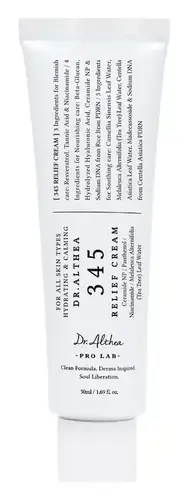
Dr. Dennis Gross Skincare Hyaluronic Marine Oil-Free Moisture Cushion Versus Perricone MD Cold Plasma Plus + Advanced Eye Cream
This barrier-repair moisturizer is formulated around Sodium Hyaluronate and Saccharide Isomerate to strengthen the skin barrier and hydrate skin.
This anti-aging eye moisturizer is formulated around Tetrahexyldecyl Ascorbate and Palmitoyl Tripeptide-1 to soften the look of wrinkles and fade the look of dark spots.

What's inside
What's inside
 Key Ingredients
Benefits
Concerns
Ingredients Side-by-side
Water
Skin ConditioningCetearyl Alcohol
Emollient






C13-16 Isoparaffin
Solvent
Stearyl Dimethicone
Emollient
Dimethicone
Emollient
Butylene Glycol
Humectant

Caprylic/Capric Triglyceride
Masking
Glyceryl Behenate
Emollient
Sodium Hyaluronate
Humectant


Caulerpa Lentillifera Extract
Saccharide Isomerate
Humectant
Aloe Barbadensis Leaf Extract
Emollient
Tocopherol
Antioxidant



Citrullus Lanatus Fruit Extract
Skin Conditioning
Cocos Nucifera Fruit Extract
Emollient
Citrus Sinensis Fruit Extract
Antioxidant
Vaccinium Myrtillus Fruit/Leaf Extract
AstringentLactic Acid
Buffering




Glycolic Acid
Buffering

Saccharum Officinarum Extract
MoisturisingLeuconostoc/Radish Root Ferment Filtrate
Antimicrobial
Citrus Aurantium Dulcis Fruit Extract
MaskingCitrus Limon Fruit Extract
Masking
Acer Saccharum Extract
Skin ConditioningCollagen Amino Acids
Moisturising
Adenosine
Skin Conditioning
Hydrolyzed Soy Protein
Humectant
Copper PCA
HumectantIsohexadecane
EmollientHeptyl Undecylenate
EmollientEthylhexylglycerin
Skin ConditioningDimethicone Crosspolymer-3
Skin Conditioning
Isododecane
EmollientOctadecene
SolventSodium Acrylate/Sodium Acryloyldimethyl Taurate Copolymer
Emulsion StabilisingPotassium Cetyl Phosphate
EmulsifyingSorbitan Oleate
Emulsifying
Ceteareth-20
Cleansing
Polysorbate 80
Emulsifying
Sodium Citrate
BufferingCitric Acid
Buffering
Benzyl Alcohol
Perfuming




Phenoxyethanol
Preservative
Sodium Benzoate
Masking
Potassium Sorbate
Preservative
Water, Cetearyl Alcohol, C13-16 Isoparaffin, Stearyl Dimethicone, Dimethicone, Butylene Glycol, Caprylic/Capric Triglyceride, Glyceryl Behenate, Sodium Hyaluronate, Caulerpa Lentillifera Extract, Saccharide Isomerate, Aloe Barbadensis Leaf Extract, Tocopherol, Citrullus Lanatus Fruit Extract, Cocos Nucifera Fruit Extract, Citrus Sinensis Fruit Extract, Vaccinium Myrtillus Fruit/Leaf Extract, Lactic Acid, Glycolic Acid, Saccharum Officinarum Extract, Leuconostoc/Radish Root Ferment Filtrate, Citrus Aurantium Dulcis Fruit Extract, Citrus Limon Fruit Extract, Acer Saccharum Extract, Collagen Amino Acids, Adenosine, Hydrolyzed Soy Protein, Copper PCA, Isohexadecane, Heptyl Undecylenate, Ethylhexylglycerin, Dimethicone Crosspolymer-3, Isododecane, Octadecene, Sodium Acrylate/Sodium Acryloyldimethyl Taurate Copolymer, Potassium Cetyl Phosphate, Sorbitan Oleate, Ceteareth-20, Polysorbate 80, Sodium Citrate, Citric Acid, Benzyl Alcohol, Phenoxyethanol, Sodium Benzoate, Potassium Sorbate
Water
Skin ConditioningIsopropyl Palmitate
Emollient
Cetearyl Alcohol
Emollient
Glyceryl Stearate
Emollient
Jojoba Esters
Emollient
PEG-100 Stearate
Surfactant
Ceteareth-20
Cleansing
Benzyl Alcohol
Perfuming
Hydrogenated Olive Oil
Skin Conditioning
Olea Europaea Fruit Oil
Masking
Tetrahexyldecyl Ascorbate
Antioxidant
Phosphatidylcholine
EmulsifyingAcetyl Tetrapeptide-5
Humectant
Palmitoyl Tripeptide-1
Skin Conditioning
Palmitoyl Tetrapeptide-7
Skin Conditioning
Echium Plantagineum Seed Oil
Skin Conditioning
Helianthus Annuus Seed Oil
Emollient
Copper Tripeptide-1
Skin Conditioning
Magnesium Aspartate
Skin ConditioningZinc Gluconate
Skin Conditioning
Sodium Hyaluronate
Humectant
Rosmarinus Officinalis Leaf Extract
AntimicrobialCopper Gluconate
Skin Conditioning
N-Hydroxysuccinimide
Skin ConditioningChrysin
Skin ConditioningDisodium EDTA
ChelatingDimethicone
Emollient
Glycerin
Humectant
Butylene Glycol
Humectant
Steareth-20
CleansingDimethicone Crosspolymer
Emulsion Stabilising
Silica
Abrasive
CI 77891
Cosmetic ColorantCI 77491
Cosmetic ColorantWater, Isopropyl Palmitate, Cetearyl Alcohol, Glyceryl Stearate, Jojoba Esters, PEG-100 Stearate, Ceteareth-20, Benzyl Alcohol, Hydrogenated Olive Oil, Olea Europaea Fruit Oil, Tetrahexyldecyl Ascorbate, Phosphatidylcholine, Acetyl Tetrapeptide-5, Palmitoyl Tripeptide-1, Palmitoyl Tetrapeptide-7, Echium Plantagineum Seed Oil, Helianthus Annuus Seed Oil, Copper Tripeptide-1, Magnesium Aspartate, Zinc Gluconate, Sodium Hyaluronate, Rosmarinus Officinalis Leaf Extract, Copper Gluconate, N-Hydroxysuccinimide, Chrysin, Disodium EDTA, Dimethicone, Glycerin, Butylene Glycol, Steareth-20, Dimethicone Crosspolymer, Silica, CI 77891, CI 77491
Reviews
Ingredients Explained
These ingredients are found in both products.
Ingredients higher up in an ingredient list are typically present in a larger amount.
Benzyl Alcohol is an aromatic alcohol with several roles: it's a preservative, solvent, and mild fragrance component with a floral scent.
This ingredient has been deemed safe for use in cosmetic formulations at concentrations up to 5%, and up to 10% in hair dyes. You'll typically see 0.5-2% in most rinse-off or leave-on products.
As a preservative, it works by disrupting the membrane of microbial proteins. This helps keep bacteria and fungi from growing in your products.
The sensitization picture is actually quite assuring as well:of nearly 71,000 patients patch tested with benzyl alcohol, only 0.21% showed a positive reaction with most of them being weakly positive.
This led researchers to conclude that benzyl alcohol cannot be regarded as a significant contact allergen.
It is worth noting this ingredient is classified as one of the EU's regulated fragrance allergens and restricted to 1% in finished products.
Labels must also declare it in concentrations above 0.001% in leave-on products and 0.01% in rinse-off products.
At concentrations around 5%, localized redness and itching can appear as a direct irritant response and not as a true allergic reaction.
Learn more about Benzyl AlcoholButylene Glycol (or BG) is used within cosmetic products for a few different reasons:
Overall, Butylene Glycol is a safe and well-rounded ingredient that works well with other ingredients.
Though this ingredient works well with most skin types, some people with sensitive skin may experience a reaction such as allergic rashes, closed comedones, or itchiness.
Learn more about Butylene GlycolCeteareth-20 is an emulsifier and surfactant made by reacting cetearyl alcohol with 20 moles of ethylene oxide.
This gives it both oil and water-loving properties that makes it an effect emulsifier; it's really great at pulling oil droplets into water to create a stable, creamy, and easy-to-spread base.
Typical use ranges from 0.5-30%. Most leave-on products are in the 1-10% zone.
The 20 ethylene oxide units is well above the PEG-10 threshold and therefore not a food source for Malassezia (it's fungal acne safe).
This ingredient has a comedogenic rating of 2 and an irritancy rating of 3. These numbers come from testing the raw ingredient on rabbit ears and doesn't reflect how it will behave in a finished product.
In practice, this ingredient is a well-tolerated ingredient. The ratings reflect cautious lab conditions and not real-world use. Just be sure to patch test any formulas you feel unsure about.
Learn more about Ceteareth-20Cetearyl alcohol is a waxy mixture of two fatty alcohols: cetyl alcohol and stearyl alcohol. It is an emollient and emulsifier.
Despite having "alcohol" in its name, it has nothing to do with drying solvent alcohols; the FDA also allows "alcohol-free" products to contain fatty alcohols like this ingredient.
It plays several roles in a formula:
Typical use levels for this ingredient sit around 1-10% and the Cosmetic Ingredient Review Expert Panel has affirmed safety at concentrations up to 25% in leave-on products.
Multiple assessments have found it to be non-irritating and non-sensitizing to most people.
However, there have been some cases of allergic contact dermatitis in patients with chronically compromised skin barriers.
Cetearyl alcohol has a comedogenic rating of 2 and irritancy rating of 1. Both of these numbers come from the 1989 study that used rabbit ears; a "2" means mildly comedogenic and a "1" means low irritancy.
Here's the catch: rabbit skin is more sensitive than human skin and throws a lot of false positives. A 1996 reappraisal found that ingredients rated 1-2 in the rabbit ear tests are generally safe for humans.
Remember comedogenic ratings are unable to assess the entire formula of a product or how it will react on your skin. Just be sure to patch test if you are unsure about certain ingredients.
This ingredient is not fungal acne safe. Cetearyl alcohol is a fatty alcohol with chain lengths that fall within the range that Malassezia can metabolize.
A 2019 study has also observed Malassezia growth in the presence of this ingredient, confirming it to be not-fungal acne safe.
Learn more about Cetearyl AlcoholDimethicone is a type of synthetic silicone created from natural materials such as quartz. It is also known as polydimethylsiloxane.
What it does:
Dimethicone comes in different viscosities:
Depending on the viscosity, dimethicone has different properties.
Ingredients lists don't always show which type is used, so we recommend reaching out to the brand if you have questions about the viscosity.
This ingredient is unlikely to cause irritation because it does not get absorbed into skin. However, people with silicone allergies should be careful about using this ingredient.
Note: Dimethicone may contribute to pilling. This is because it is not oil or water soluble, so pilling may occur when layered with products. When mixed with heavy oils in a formula, the outcome is also quite greasy.
Learn more about DimethiconeSodium Hyaluronate is the salt form of hyaluronic acid. It is a long sugar chain that is naturally found in your skin, joints, and connective tissue that maintains hydration and elasticity.
In skincare, it works as a humectant. It pulls water from the environment and deeper layers of skin and binds it to the surface.
Interestingly, the size of the molecule affects its behavior:
Some clinical evidence links low molecular weight versions to improved wrinkle depth, elasticity, anti-inflammatory effects, and barrier repair.
Many serums use a blend of both weights so you can get surface hydration plus longer-lasting and deeper effects.
You'll typically see concentrations between 0.1-2% for this ingredient.
Learn more about Sodium HyaluronateWater. It's the most common cosmetic ingredient of all. You'll usually see it at the top of ingredient lists, meaning that it makes up the largest part of the product.
So why is it so popular? Water most often acts as a solvent - this means that it helps dissolve other ingredients into the formulation.
You'll also recognize water as that liquid we all need to stay alive. If you see this, drink a glass of water. Remember to stay hydrated!
Learn more about Water