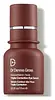
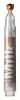
Dr. Dennis Gross Skincare Advanced Retinol + Ferulic Triple Correction Eye Serum Versus Milk Makeup Sunshine Under Eye Brightening Light Coverage Concealer

What's inside
What's inside
 Key Ingredients
Benefits
Concerns
Ingredients Side-by-side
Water
Skin ConditioningPropylene Glycol
Humectant


Ethoxydiglycol
HumectantBakuchiol
Antimicrobial









Retinol
Skin Conditioning



Nephelium Lappaceum Leaf Extract
Skin ConditioningFerulic Acid
Antimicrobial
Ubiquinone
Antioxidant
Quercetin
Antioxidant
Camellia Sinensis Leaf Extract
Antimicrobial
Sodium Hyaluronate
Humectant

Saccharide Isomerate
Humectant
Phospholipids
Skin Conditioning
Centella Asiatica Extract
Cleansing
Caffeine
Skin Conditioning
Salix Alba Bark Extract
Astringent
Salicylic Acid
Masking


Arctostaphylos Uva-Ursi Leaf Extract
Skin Conditioning
Morus Alba Bark Extract
Skin ConditioningGlycyrrhiza Glabra Root Extract
Bleaching
Potassium Azeloyl Diglycinate
Skin Conditioning
Glycolic Acid
Buffering

Panthenol
Skin Conditioning
Butylene Glycol
Humectant
Tetrapeptide-21
Skin Conditioning
Caprylic/Capric Triglyceride
Masking
Glycerin
Humectant
Leuconostoc/Radish Root Ferment Filtrate
Antimicrobial
Mandelic Acid
Antimicrobial
Potassium Hydroxide
BufferingMaltodextrin
Absorbent
Pvm/Ma Decadiene Crosspolymer
Polysorbate 20
Emulsifying
Citric Acid
Buffering
Sodium Citrate
BufferingPhenoxyethanol
Preservative
Sodium Benzoate
Masking
Potassium Sorbate
Preservative
Iron Oxides
Water, Propylene Glycol, Ethoxydiglycol, Bakuchiol, Retinol, Nephelium Lappaceum Leaf Extract, Ferulic Acid, Ubiquinone, Quercetin, Camellia Sinensis Leaf Extract, Sodium Hyaluronate, Saccharide Isomerate, Phospholipids, Centella Asiatica Extract, Caffeine, Salix Alba Bark Extract, Salicylic Acid, Arctostaphylos Uva-Ursi Leaf Extract, Morus Alba Bark Extract, Glycyrrhiza Glabra Root Extract, Potassium Azeloyl Diglycinate, Glycolic Acid, Panthenol, Butylene Glycol, Tetrapeptide-21, Caprylic/Capric Triglyceride, Glycerin, Leuconostoc/Radish Root Ferment Filtrate, Mandelic Acid, Potassium Hydroxide, Maltodextrin, Pvm/Ma Decadiene Crosspolymer, Polysorbate 20, Citric Acid, Sodium Citrate, Phenoxyethanol, Sodium Benzoate, Potassium Sorbate, Iron Oxides
Prunus Cerasus Fruit Water
EmollientGlycerin
Humectant
Octyldodecanol
Emollient
Propanediol
Solvent
Coco-Caprylate/Caprate
Emollient
Squalane
Emollient
Pentylene Glycol
Skin Conditioning
Ethyl Oleate
Emollient

Disteardimonium Hectorite
StabilisingPolyglyceryl-3 Polyricinoleate
Emulsifying
Sorbitan Isostearate
Emulsifying
Ethyl Stearate
Emollient
Water
Skin ConditioningButyrospermum Parkii Butter Unsaponifiables
Skin Conditioning
Simmondsia Chinensis Seed Oil
Emollient
Caffeine
Skin Conditioning
Curcuma Longa Rhizome Extract
Skin ConditioningHippophae Rhamnoides Oil
Emollient
Olea Europaea Fruit Oil
Masking
Persea Gratissima Oil
Skin Conditioning
Vitis Vinifera Seed Oil
Emollient
Hydrolyzed Pea Protein
EmollientTetrahexyldecyl Ascorbate
Antioxidant
Tocopherol
Antioxidant
Sodium Hyaluronate
Humectant
Glyceryl Caprylate/Caprate
EmollientEthyl Linoleate
Emollient
Ethyl Palmitate
Emollient
Sodium Lauroyl Glutamate
SurfactantGlucose
Humectant
Lysine
Skin ConditioningMagnesium Chloride
Sodium Chloride
MaskingSodium Succinate
BufferingAluminum Hydroxide
EmollientCitric Acid
Buffering
CI 77891
Cosmetic ColorantIron Oxides
CI 77163
Cosmetic Colorant
Prunus Cerasus Fruit Water, Glycerin, Octyldodecanol, Propanediol, Coco-Caprylate/Caprate, Squalane, Pentylene Glycol, Ethyl Oleate, Disteardimonium Hectorite, Polyglyceryl-3 Polyricinoleate, Sorbitan Isostearate, Ethyl Stearate, Water, Butyrospermum Parkii Butter Unsaponifiables, Simmondsia Chinensis Seed Oil, Caffeine, Curcuma Longa Rhizome Extract, Hippophae Rhamnoides Oil, Olea Europaea Fruit Oil, Persea Gratissima Oil, Vitis Vinifera Seed Oil, Hydrolyzed Pea Protein, Tetrahexyldecyl Ascorbate, Tocopherol, Sodium Hyaluronate, Glyceryl Caprylate/Caprate, Ethyl Linoleate, Ethyl Palmitate, Sodium Lauroyl Glutamate, Glucose, Lysine, Magnesium Chloride, Sodium Chloride, Sodium Succinate, Aluminum Hydroxide, Citric Acid, CI 77891, Iron Oxides, CI 77163
Reviews
Alternatives
Ingredients Explained
These ingredients are found in both products.
Ingredients higher up in an ingredient list are typically present in a larger amount.
Caffeine is a naturally occurring plant compound found in coffee beans, tea leaves, cocoa pods, and guarana.
As an antioxidant, caffeine protects your skin from free radical damage caused by UV exposure and envionrmnetal stressors.
Early research also shows that caffeine can help calm redness, soothe irritated skin, and support hair growth by stimulating microcirculation in the scalp.
You might have seen eye creams marketing caffeine as a depuffing ingredient. This is because it is a vasoconstrictor meaning it can temporarily constrict blood vessels, though clinical evidence for this specific use is still limited.
Most skincare products contain this ingredient at concentrations between 1-6%. It is able to penetrate skin easily regardless of skin type or thickness.
Just so you know, a very small number of case reports describe caffeine-induced allergy. This ingredient is generally well-tolerated, non-irritating, and non-sensitizing for the majority of people.
Learn more about CaffeineCitric Acid is an alpha hydroxy acid (AHA) naturally found in citrus fruits like oranges, lemons, and limes.
Like other AHAs, citric acid can exfoliate skin by breaking down the bonds that hold dead skin cells together. This helps reveal smoother and brighter skin underneath.
However, this exfoliating effect only happens at high concentrations (20%) which can be hard to find in cosmetic products.
Due to this, citric acid is usually included in small amounts as a pH adjuster. This helps keep products slightly more acidic and compatible with skin's natural pH.
In skincare formulas, citric acid can:
While it can provide some skin benefits, research shows lactic acid and glycolic acid are generally more effective and less irritating exfoliants.
Most citric acid used in skincare today is made by fermenting sugars (usually from molasses). This synthetic version is identical to the natural citrus form but easier to stabilize and use in formulations.
Rosacea skin has a lower threshold for acids generally, with 62.5% of rosacea subjects in one study reacting to lactic acid in a sting test. This is why we mark citric acid as a potential rosacea trigger.
However, this ingredient shows up as a pH adjuster or chelator at roughly 0.1-1% in many products. These low levels are unlikely to be an issue for rosacea skin and becomes a potential trigger at exfoliating concentrations (20%). Because everybody's skin is unique, we recommend a patch test if you are unsure.
Learn more about Citric AcidGlycerin (or glycerol) is a compound naturally found in your skin. It's a powerhouse humectant that pulls water into the stratum corneum.
Topically, glycerin does several things at once:
Your skin makes glycerin on its own (mostly from sebaceous oil breakdown) and shuttles it to your outermost layer of skin, or your epidermis, via aquaporin-3.
Aquaporin-3 is a transporter that is essential for normal skin hydration, elasticity, and repair. Interestingly, mice lacking in AQP3 have dry and less elastic skin that can be fully corrected with glycerin.
This ingredient is non-irritating, plays well with almost every ingredient, and works across all skin types. Typical use is anywhere between 3-10% but can go up to 79% in some leave-on products.
Just know very high concentrations (>40%) can feel tacky in low humidity.
Glycerin is the name for this ingredient in American English. British English uses Glycerol/Glycerine.
Learn more about GlycerinSodium Hyaluronate is the salt form of hyaluronic acid. It is a long sugar chain that is naturally found in your skin, joints, and connective tissue that maintains hydration and elasticity.
In skincare, it works as a humectant. It pulls water from the environment and deeper layers of skin and binds it to the surface.
Interestingly, the size of the molecule affects its behavior:
Some clinical evidence links low molecular weight versions to improved wrinkle depth, elasticity, anti-inflammatory effects, and barrier repair.
Many serums use a blend of both weights so you can get surface hydration plus longer-lasting and deeper effects.
You'll typically see concentrations between 0.1-2% for this ingredient.
Learn more about Sodium HyaluronateWater. It's the most common cosmetic ingredient of all. You'll usually see it at the top of ingredient lists, meaning that it makes up the largest part of the product.
So why is it so popular? Water most often acts as a solvent - this means that it helps dissolve other ingredients into the formulation.
You'll also recognize water as that liquid we all need to stay alive. If you see this, drink a glass of water. Remember to stay hydrated!
Learn more about WaterThis ingredient is a combination of red, black, and yellow iron oxide pigments. This combination of colors is usually found in foundation, because it results in a "skin" color.
The EU typically uses CI numbers for colorants when applicable, such as CI 77489. In the US, iron oxides are regulated as color additives and "iron oxides" is the most commonly used name in US cosmetic practice.
A 2021 paper looked at skincare formulations containing iron oxides and found that they reduced transmission of blue light when measured optically. In simple terms, the pigment particles helped block or scatter part of the visible light spectrum in lab testing and the authors suggest this could translate into better protection against blue-light-related skin effects.
There is also clinical and experimental research showing that tinted products containing iron oxides can reduce visible light-induced pigmentation:
Please note, whether a product reduces visible or blue light depends on things like:
In the EU's CosIng database, iron oxides are only listed as a colorant. CosIng groups ingredients by their main cosmetic role, such as colorant, preservative, or UV filter.
Though studies say iron oxides can "attenuate blue light", they're describing an optical property and not an officially recognized cosmetic function.
So CosIng isn’t contradicting the research. It’s just classifying iron oxides by what they officially are: pigments that add color.
Learn more about Iron Oxides

