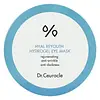
This hydrating eye mask is formulated around Niacinamide and Sodium Hyaluronate to hydrate skin and soften the look of wrinkles.
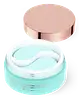
This hydrating eye mask is formulated around Chondrus Crispus Extract and Allantoin to hydrate skin and calm redness.


What's inside
What's inside
 Key Ingredients
Benefits
Concerns
Ingredients Side-by-side
Water
Skin ConditioningGlycerin
Humectant


Dipropylene Glycol
HumectantNiacinamide
Smoothing









Ceratonia Siliqua Gum
Emollient1,2-Hexanediol
Skin Conditioning
Chondrus Crispus Powder
Abrasive


Chondrus Crispus Extract
Skin Conditioning
Cellulose Gum
Emulsion StabilisingAlgin
MaskingButylene Glycol
Humectant
Paeonia Suffruticosa Root Extract
Skin ProtectingCentella Asiatica Extract
Cleansing
Sodium Hyaluronate
Humectant
Sodium Polyacrylate
Absorbent
Potassium Chloride
Chamomilla Recutita Flower Extract
Masking
Panthenol
Skin Conditioning
Glyceryl Caprylate
EmollientSucrose
Humectant
Adenosine
Skin Conditioning
Ethylhexylglycerin
Skin ConditioningDextrin
AbsorbentHydrolyzed Collagen
Emollient
Cucumis Sativus Juice
EmollientPropanediol
Solvent
Pantolactone
Humectant
Fructan
Skin ConditioningMaltodextrin
Absorbent
Hydrolyzed Gardenia Florida Extract
Antioxidant
Hyaluronic Acid
Humectant
Benzyl Glycol
SolventHydrolyzed Glycosaminoglycans
HumectantSodium Hyaluronate Crosspolymer
Humectant
Hydrolyzed Hyaluronic Acid
Humectant
Hydroxypropyltrimonium Hyaluronate
Acetyl Tetrapeptide-5
Humectant
Sodium Acetylated Hyaluronate
Humectant
Disodium EDTA
ChelatingParfum
Masking



Water, Glycerin, Dipropylene Glycol, Niacinamide, Ceratonia Siliqua Gum, 1,2-Hexanediol, Chondrus Crispus Powder, Chondrus Crispus Extract, Cellulose Gum, Algin, Butylene Glycol, Paeonia Suffruticosa Root Extract, Centella Asiatica Extract, Sodium Hyaluronate, Sodium Polyacrylate, Potassium Chloride, Chamomilla Recutita Flower Extract, Panthenol, Glyceryl Caprylate, Sucrose, Adenosine, Ethylhexylglycerin, Dextrin, Hydrolyzed Collagen, Cucumis Sativus Juice, Propanediol, Pantolactone, Fructan, Maltodextrin, Hydrolyzed Gardenia Florida Extract, Hyaluronic Acid, Benzyl Glycol, Hydrolyzed Glycosaminoglycans, Sodium Hyaluronate Crosspolymer, Hydrolyzed Hyaluronic Acid, Hydroxypropyltrimonium Hyaluronate, Acetyl Tetrapeptide-5, Sodium Acetylated Hyaluronate, Disodium EDTA, Parfum
Water
Skin ConditioningGlycerin
Humectant
Methylpropanediol
SolventChondrus Crispus Extract
Skin Conditioning
1,2-Hexanediol
Skin Conditioning
Ceratonia Siliqua Gum
EmollientHydroxyacetophenone
Antioxidant
Cellulose Gum
Emulsion StabilisingAllantoin
Skin Conditioning
Xanthan Gum
EmulsifyingPotassium Chloride
Titanium Dioxide
Cosmetic Colorant

Glyceryl Caprylate
EmollientCitrus Unshiu Peel Extract
MaskingCitrus Junos Fruit Extract
Skin ConditioningSucrose
Humectant
Butylene Glycol
Humectant
Parfum
Masking
Disodium EDTA
ChelatingHydroxyethyl Urea
Humectant
Panthenol
Skin Conditioning
Carbomer
Emulsion StabilisingTromethamine
BufferingCaprylic/Capric Triglyceride
Masking
Phenoxyethanol
Preservative
Hydrogenated Lecithin
Emulsifying
CI 42090
Cosmetic ColorantSoluble Collagen
Humectant
Ceramide NP
Skin Conditioning
Pantothenic Acid
Skin ConditioningMannose
HumectantRiboflavin
Cosmetic ColorantAscorbic Acid
Antioxidant
Thiamine Hcl
MaskingGlucose
Humectant
Carnitine Hcl
HumectantBiotin
AntiseborrhoeicTocopherol
Antioxidant
Retinyl Palmitate
Skin Conditioning

Niacin
SmoothingFolic Acid
Skin ConditioningWater, Glycerin, Methylpropanediol, Chondrus Crispus Extract, 1,2-Hexanediol, Ceratonia Siliqua Gum, Hydroxyacetophenone, Cellulose Gum, Allantoin, Xanthan Gum, Potassium Chloride, Titanium Dioxide, Glyceryl Caprylate, Citrus Unshiu Peel Extract, Citrus Junos Fruit Extract, Sucrose, Butylene Glycol, Parfum, Disodium EDTA, Hydroxyethyl Urea, Panthenol, Carbomer, Tromethamine, Caprylic/Capric Triglyceride, Phenoxyethanol, Hydrogenated Lecithin, CI 42090, Soluble Collagen, Ceramide NP, Pantothenic Acid, Mannose, Riboflavin, Ascorbic Acid, Thiamine Hcl, Glucose, Carnitine Hcl, Biotin, Tocopherol, Retinyl Palmitate, Niacin, Folic Acid
Ingredients Explained
These ingredients are found in both products.
Ingredients higher up in an ingredient list are typically present in a larger amount.
1,2-Hexanediol is a synthetic liquid and another multi-functional powerhouse.
It is a:
- Humectant, drawing moisture into the skin
- Emollient, helping to soften skin
- Solvent, dispersing and stabilizing formulas
- Preservative booster, enhancing the antimicrobial activity of other preservatives
Butylene Glycol (or BG) is used within cosmetic products for a few different reasons:
Overall, Butylene Glycol is a safe and well-rounded ingredient that works well with other ingredients.
Though this ingredient works well with most skin types, some people with sensitive skin may experience a reaction such as allergic rashes, closed comedones, or itchiness.
Learn more about Butylene GlycolCellulose Gum is a water-soluble polymer that comes from cellulose. It is used to change the texture of a product and to help stabilize emulsions.
As an emulsifier, cellulose gum specifically thicken the texture of water-based products.
This ingredient is considered hypoallergenic and non-toxic. Cellulose Gum can be found in cosmetics, food, and other household goods such as paper products.
Learn more about Cellulose GumCeratonia Siliqua Gum is extracted from the seeds of the carob tree. You might know this ingredient as Carob Gum or Locust Bean Gum. It is used to stabilize other ingredients and improve the texture of products.
Carob gum is made up of long-chain polysaccharides. This makes it a natural thickener.
Yes! This ingredient comes from the seeds of a tree. The name 'Locust Bean Gum' can be misleading.
Learn more about Ceratonia Siliqua GumThis ingredient comes from the red seaweed that grows along the North Atlantic. It's the same alga that gives us carrageenan, the thickener in your oat milk.
The extract is mostly big sulfated sugar molecules (polysaccharides) plus some minerals and protein.
What those sugars do is simple and useful: they hold onto water and form a light film on the skin. That means they boost hydration, add a bit of slip, and leave a soft, cushiony feel.
It also helps with texture and thickness.
You'll see claims about anti-aging and "second skin" effects but those come mostly from supplier marketing.
The real research is cell-culture stuff and there's no human trial on this ingredient specifically (yet). So for now, treat it as a nice hydrator and texture helper, not an active.
Safety-wise, it's pretty solid. The Cosmetic Ingredient Review panel rated it safe as used, human sensitization tests came back negative, and it wasn't irritating in skin or eye tests.
Typical use levels are 0.5% or lower.
You'll see algae listed as a 5/5 on a lot of pore-clogging charts and that number doesn't come from anywhere; it's not in the original rabbit-ear studies that most comedogenic ratings trace back to.
The reasoning behind the reputation is that seaweed is high in iodine and iodine can trigger acne-like breakouts when eaten. This traces back to a 1976 letter in Archives of Dermatology describing two women whose breakouts cleared after they stopped taking high-dose kelp supplements orally.
And the reaction of these two women wasn't clogged pores at all: it was an iodine-triggered pustular rash. Later research found normal dietary iodine doesn't meaningfully affect acne either and nobody has shown topical algae delivers enough iodine to matter.
What we do have is dozens of brown and red algae ingredients found to be non-irritating and non-sensitizing, and a handful of studies that found algae compounds may actually help acne.
However, plenty of people do report breaking out from algae-containing products. Skin is individual and it's worth avoiding if yours has reacted to algae before.
Learn more about Chondrus Crispus ExtractDisodium EDTA is a chelating agent. It grabs onto and deactivates metal ions that sneak into your products from water, packaging, or air.
This ingredient mainly works behind the scenes and helps with:
On top of that, this ingredient can counteract the effects of hard water by binding to the minerals in it.
One thing worth knowing is that Disodium EDTA has been shown to be a mild penetration enhancer. It can help other ingredients absorb into skin more effectively which can be a double-edged sword (great for actives, but can also make the active too strong if you have sensitive skin).
Clinical patch testing showed no significant skin irritation at typical use concentrations and minimal dermal absorption.
You'll most likely see this ingredient near the end of an ingredient list. It's typically found in concentrations less than 1%.
Learn more about Disodium EDTAGlycerin (or glycerol) is a compound naturally found in your skin. It's a powerhouse humectant that pulls water into the stratum corneum.
Topically, glycerin does several things at once:
Your skin makes glycerin on its own (mostly from sebaceous oil breakdown) and shuttles it to your outermost layer of skin, or your epidermis, via aquaporin-3.
Aquaporin-3 is a transporter that is essential for normal skin hydration, elasticity, and repair. Interestingly, mice lacking in AQP3 have dry and less elastic skin that can be fully corrected with glycerin.
This ingredient is non-irritating, plays well with almost every ingredient, and works across all skin types. Typical use is anywhere between 3-10% but can go up to 79% in some leave-on products.
Just know very high concentrations (>40%) can feel tacky in low humidity.
Glycerin is the name for this ingredient in American English. British English uses Glycerol/Glycerine.
Learn more about GlycerinGlyceryl Caprylate comes from glycerin and caprylic acid. It is an emollient, co-emulsifier, and preservative booster.
Its short C8 fatty acid chain makes it behave differently from its longer-chain emollient cousins like Glyceryl Stearate. It feels more lightweight, fast-absorbing, and silky instead of rich and waxy.
As a co-emulsifier, its "head" and "tail" sit at the oil-water interface. But overall, the short C8 tail and not being water soluble means it doesn't really have the muscle to emulsify a formula on its own. That's why you'll often see it paired with a primary emulsifier like Cetearyl Glucoside.
Interestingly, Glyceryl Caprylate acts as a preservative booster. This is because its fatty-acid backbone disrupts microbial lipid membranes. It shows excellent activity against bacteria and yeast but is weaker against mold.
Typical concentrations range from 0.5-1% and this ingredient is generally non-irritating.
Because this ingredient has a C8 fatty acid chain, it is outside the range that the Malassezia yeast metabolizes (making it fungal acne safe).
Learn more about Glyceryl CaprylatePanthenol is a common ingredient that helps hydrate and soothe the skin. It is found naturally in our skin and hair.
There are two forms of panthenol: D and L.
D-panthenol is also known as dexpanthenol. Most cosmetics use dexpanthenol or a mixture of D and L-panthenol.
Panthenol is famous due to its ability to go deeper into the skin's layers. Using this ingredient has numerous pros (and no cons):
Like hyaluronic acid, panthenol is a humectant. Humectants are able to bind and hold large amounts of water to keep skin hydrated.
This ingredient works well for wound healing. It works by increasing tissue in the wound and helps close open wounds.
Once oxidized, panthenol converts to pantothenic acid. Panthothenic acid is found in all living cells.
This ingredient is also referred to as pro-vitamin B5.
Learn more about PanthenolParfum is a catch-all term for an ingredient or more that is used to give a scent to products.
Also called "fragrance", this ingredient can be a blend of hundreds of chemicals or plant oils. This means every product with "fragrance" or "parfum" in the ingredients list is a different mixture.
For instance, Habanolide is a proprietary trade name for a specific aroma chemical. When used as a fragrance ingredient in cosmetics, most aroma chemicals fall under the broad labeling category of “FRAGRANCE” or “PARFUM” according to EU and US regulations.
The term 'parfum' or 'fragrance' is not regulated in many countries. In many cases, it is up to the brand to define this term.
For instance, many brands choose to label themselves as "fragrance-free" because they are not using synthetic fragrances. However, their products may still contain ingredients such as essential oils that are considered a fragrance by INCI standards.
One example is Calendula flower extract. Calendula is an essential oil that still imparts a scent or 'fragrance'.
Depending on the blend, the ingredients in the mixture can cause allergies and sensitivities on the skin. Some ingredients that are known EU allergens include linalool and citronellol.
Parfum can also be used to mask or cover an unpleasant scent.
The bottom line is: not all fragrances/parfum/ingredients are created equally. If you are worried about fragrances, we recommend taking a closer look at an ingredient. And of course, we always recommend speaking with a professional.
Learn more about ParfumWe don't have a description for Potassium Chloride yet.
Sucrose is a natural sugar found in fruits, vegetables, and nuts. It is the main constituent of white sugar.
In skincare, sucrose is a humectant and can be a mild exfoliant.
Sucrose is hydrophilic, meaning it attracts water. This makes it an effective humectant and helps hydrate the skin.
Studies show sugars may worsen acne-prone skin due to it disrupting the skin's natural biome. We recommend speaking with a professional if you have any concerns.
In some products such as body scrubs, sucrose is used as an gentle exfoliant.
The term 'sucrose' comes from the french word for sugar, 'sucre'.
Learn more about SucroseWater. It's the most common cosmetic ingredient of all. You'll usually see it at the top of ingredient lists, meaning that it makes up the largest part of the product.
So why is it so popular? Water most often acts as a solvent - this means that it helps dissolve other ingredients into the formulation.
You'll also recognize water as that liquid we all need to stay alive. If you see this, drink a glass of water. Remember to stay hydrated!
Learn more about Water

