Dr.Ceuracle 5α Control Clearing Serum in Emulsion Versus Cos De BAHA Centella Asiatica Recovery Cream
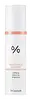
This oil-control serum is formulated around Sarcosine to balance excess oil.
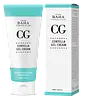
This calming moisturizer is formulated around Centella Asiatica Extract and Niacinamide to calm redness and strengthen the skin barrier.

What's inside
What's inside
 Key Ingredients
Benefits
Concerns
Ingredients Side-by-side
Water
Skin ConditioningButylene Glycol
Humectant

Dimethicone
Emollient

Sorbitan Stearate
Emulsifying

Cetyl Alcohol
Emollient

Hamamelis Virginiana Bark/Leaf/Twig Extract
Skin Conditioning

Cinnamomum Zeylanicum Bark Extract
Antimicrobial

1,2-Hexanediol
Skin Conditioning
Hydroxyacetophenone
Antioxidant
Sucrose Stearate
EmollientArgania Spinosa Kernel Oil
Emollient



Capryloyl Glycine
CleansingHexylene Glycol
EmulsifyingSarcosine
Skin Conditioning
Magnesium Aluminum Silicate
Absorbent
Polysorbate 60
Emulsifying
Tocopheryl Acetate
Antioxidant

Sodium Hyaluronate
Humectant


Glyceryl Stearate
Emollient
PEG-100 Stearate
Surfactant
Saccharomyces Cerevisiae Extract
Skin Conditioning
Triticum Vulgare Germ Extract
Skin ConditioningBisabolol
Antioxidant
Sorbitan Sesquioleate
Emulsifying
Spent Grain Wax
Skin Conditioning
Sucrose Cocoate
Emulsifying
Butyrospermum Parkii Butter Extract
Skin Conditioning
Carbomer
Emulsion StabilisingPEG-60 Almond Glycerides
Emulsifying
Tamarindus Indica Fruit/Seed Extract
Skin ProtectingCaprylyl Glycol
Emollient
Parfum
Masking

Tromethamine
BufferingDipotassium Glycyrrhizate
Humectant
Ethylhexylglycerin
Skin ConditioningPhellinus Linteus Extract
Skin ConditioningCordyceps Sinensis Extract
Antioxidant
Ganoderma Lucidum Extract
Skin Protecting
Xanthan Gum
EmulsifyingDisodium EDTA
ChelatingGlycerin
Humectant
Nordihydroguaiaretic Acid
Antioxidant
Oleanolic Acid
Skin ConditioningWater, Butylene Glycol, Dimethicone, Sorbitan Stearate, Cetyl Alcohol, Hamamelis Virginiana Bark/Leaf/Twig Extract, Cinnamomum Zeylanicum Bark Extract, 1,2-Hexanediol, Hydroxyacetophenone, Sucrose Stearate, Argania Spinosa Kernel Oil, Capryloyl Glycine, Hexylene Glycol, Sarcosine, Magnesium Aluminum Silicate, Polysorbate 60, Tocopheryl Acetate, Sodium Hyaluronate, Glyceryl Stearate, PEG-100 Stearate, Saccharomyces Cerevisiae Extract, Triticum Vulgare Germ Extract, Bisabolol, Sorbitan Sesquioleate, Spent Grain Wax, Sucrose Cocoate, Butyrospermum Parkii Butter Extract, Carbomer, PEG-60 Almond Glycerides, Tamarindus Indica Fruit/Seed Extract, Caprylyl Glycol, Parfum, Tromethamine, Dipotassium Glycyrrhizate, Ethylhexylglycerin, Phellinus Linteus Extract, Cordyceps Sinensis Extract, Ganoderma Lucidum Extract, Xanthan Gum, Disodium EDTA, Glycerin, Nordihydroguaiaretic Acid, Oleanolic Acid
Centella Asiatica Extract
Cleansing
Glycerin
Humectant
Isononyl Isononanoate
EmollientPropanediol
Solvent
Niacinamide
Smoothing


1,2-Hexanediol
Skin Conditioning
Polyglyceryl-3 Methylglucose Distearate
Emulsifying
Aloe Barbadensis Leaf Extract
Emollient
Caffeine
Skin Conditioning
Panthenol
Skin Conditioning
Sodium Hyaluronate
Humectant
Camellia Sinensis Leaf Extract
Antimicrobial
Momordica Charantia Fruit Extract
Skin ConditioningSambucus Nigra Flower Extract
RefreshingLeontopodium Alpinum Extract
Skin ConditioningAllantoin
Skin Conditioning
Tocopheryl Acetate
Antioxidant
Acrylates/C10-30 Alkyl Acrylate Crosspolymer
Emulsion StabilisingAmmonium Acryloyldimethyltaurate/Vp Copolymer
Cetearyl Alcohol
Emollient

Tromethamine
BufferingCentella Asiatica Extract, Glycerin, Isononyl Isononanoate, Propanediol, Niacinamide, 1,2-Hexanediol, Polyglyceryl-3 Methylglucose Distearate, Aloe Barbadensis Leaf Extract, Caffeine, Panthenol, Sodium Hyaluronate, Camellia Sinensis Leaf Extract, Momordica Charantia Fruit Extract, Sambucus Nigra Flower Extract, Leontopodium Alpinum Extract, Allantoin, Tocopheryl Acetate, Acrylates/C10-30 Alkyl Acrylate Crosspolymer, Ammonium Acryloyldimethyltaurate/Vp Copolymer, Cetearyl Alcohol, Tromethamine
Reviews
Ingredients Explained
These ingredients are found in both products.
Ingredients higher up in an ingredient list are typically present in a larger amount.
1,2-Hexanediol is a synthetic liquid and another multi-functional powerhouse.
It is a:
- Humectant, drawing moisture into the skin
- Emollient, helping to soften skin
- Solvent, dispersing and stabilizing formulas
- Preservative booster, enhancing the antimicrobial activity of other preservatives
Glycerin (or glycerol) is a compound naturally found in your skin. It's a powerhouse humectant that pulls water into the stratum corneum.
Topically, glycerin does several things at once:
Your skin makes glycerin on its own (mostly from sebaceous oil breakdown) and shuttles it to your outermost layer of skin, or your epidermis, via aquaporin-3.
Aquaporin-3 is a transporter that is essential for normal skin hydration, elasticity, and repair. Interestingly, mice lacking in AQP3 have dry and less elastic skin that can be fully corrected with glycerin.
This ingredient is non-irritating, plays well with almost every ingredient, and works across all skin types. Typical use is anywhere between 3-10% but can go up to 79% in some leave-on products.
Just know very high concentrations (>40%) can feel tacky in low humidity.
Glycerin is the name for this ingredient in American English. British English uses Glycerol/Glycerine.
Learn more about GlycerinSodium Hyaluronate is the salt form of hyaluronic acid. It is a long sugar chain that is naturally found in your skin, joints, and connective tissue that maintains hydration and elasticity.
In skincare, it works as a humectant. It pulls water from the environment and deeper layers of skin and binds it to the surface.
Interestingly, the size of the molecule affects its behavior:
Some clinical evidence links low molecular weight versions to improved wrinkle depth, elasticity, anti-inflammatory effects, and barrier repair.
Many serums use a blend of both weights so you can get surface hydration plus longer-lasting and deeper effects.
You'll typically see concentrations between 0.1-2% for this ingredient.
Learn more about Sodium HyaluronateTocopheryl Acetate is a stable, shelf-friendly form of vitamin E.
Formulators love it because plain vitamin E oxidizes quickly once it hits air. This acetate version stays stable and resists going off, helping to extend a product's shelf life.
It's actually inactive on its own and works like a slow-release "storage" form; the enzymes in your skin called esterases gradually convert it into active vitamin E over time.
One in vivo study showed 5% of the acetate in the living layer of the epidermis converted to vitamin E after 5 days of application. This study also found the skin gained protection against UV damage even though the conversion was slow and small.
Once converted, vitamin E acts as a skin's main fat-soluble antioxidant that fights free radicals to protect skin from damage.
Topical vitamin E generally boosts the skin's photoprotection, and it reduced UV-damage in animal models.
This ingredient has some brightening potential but it's more of a prevention ingredient than spot-fader. Cell studies show it can slow down melanin production but it's worth noting that it's not the most powerful brightener out there.
Overall, it has a pretty solid safety profile and has been found to be non-irritating and non-comedogenic. Allergic reactions may happen but stay rare due to how widely the ingredient gets used.
The concentration will vary depending on the formula; industry data shows 0.1% in baby lotions, 3% in lipsticks, and 5% in foot powders. You can also find this ingredient at 100% in a pure vitamin E oil.
Most leave-on skincare keeps it at the lower end, often between 0.5-1%.
Learn more about Tocopheryl AcetateTromethamine (aka THAM) is a synthetic amino acid that shows up in skincare as a helper ingredient.
It functions as a pH adjuster to help neutralize acidic ingredients and set a formula's pH to the right spot.
This matters a lot because a lot of actives (like vitamin C) needs a specific pH to work well and feel comfortable on skin.
Concentration use ranges from 0.1-1.0% depending on the formula.
Learn more about Tromethamine

