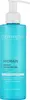
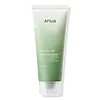
Dermedic Hydrain3 Hialuro Creamy Cleansing Gel Versus Anua Heartleaf Quercetinol Pore Deep Cleansing Foam


What's inside
What's inside
 Key Ingredients
Benefits
Concerns
Ingredients Side-by-side
Water
Skin ConditioningDecyl Glucoside
Cleansing
Ammonium Lauryl Sulfate
Cleansing



Cocamidopropyl Betaine
Cleansing
Cocamidopropyl Hydroxysultaine
Cleansing
Glycol Distearate
Emollient
Macadamia Seed Oil Glycereth-8 Esters
Surfactant
Trehalose
Humectant


Sodium Hyaluronate
Humectant

Hyaluronic Acid
Humectant
Hydrolyzed Hyaluronic Acid
Humectant
Sodium Hyaluronate Crosspolymer
Humectant
Hydrolyzed Glycosaminoglycans
HumectantFucus Vesiculosus Extract
Emollient
Calcium PCA
Humectant
Magnesium PCA
Humectant
Manganese PCA
HumectantZinc PCA
Humectant



Panthenol
Skin Conditioning
Laureth-9
EmulsifyingPolyquaternium-7
Coco-Glucoside
Cleansing
Glyceryl Oleate
Emollient
Glyceryl Stearate
Emollient
Propanediol
Solvent
Glycerin
Humectant
Sodium Benzoate
Masking
Potassium Sorbate
Preservative
Phenoxyethanol
Preservative
Ethylhexylglycerin
Skin ConditioningCitric Acid
Buffering

Sodium Chloride
MaskingBenzoic Acid
Masking
Raspberry Ketone
Masking
Benzyl Glycol
SolventParfum
Masking
Water, Decyl Glucoside, Ammonium Lauryl Sulfate, Cocamidopropyl Betaine, Cocamidopropyl Hydroxysultaine, Glycol Distearate, Macadamia Seed Oil Glycereth-8 Esters, Trehalose, Sodium Hyaluronate, Hyaluronic Acid, Hydrolyzed Hyaluronic Acid, Sodium Hyaluronate Crosspolymer, Hydrolyzed Glycosaminoglycans, Fucus Vesiculosus Extract, Calcium PCA, Magnesium PCA, Manganese PCA, Zinc PCA, Panthenol, Laureth-9, Polyquaternium-7, Coco-Glucoside, Glyceryl Oleate, Glyceryl Stearate, Propanediol, Glycerin, Sodium Benzoate, Potassium Sorbate, Phenoxyethanol, Ethylhexylglycerin, Citric Acid, Sodium Chloride, Benzoic Acid, Raspberry Ketone, Benzyl Glycol, Parfum
Houttuynia Cordata Flower/Leaf/Stem Water
Antimicrobial
Glycerin
Humectant
Sodium Cocoyl Glycinate
Cleansing
Water
Skin ConditioningSodium Lauroyl Glutamate
SurfactantDisodium Cocoamphodiacetate
CleansingCoco-Glucoside
Cleansing
Decyl Glucoside
Cleansing
Hectorite
AbsorbentSodium Chloride
Masking1,2-Hexanediol
Skin Conditioning
Betaine Salicylate
Antimicrobial
Potassium Benzoate
Preservative
Houttuynia Cordata Powder
Skin ConditioningPolyquaternium-67
Acrylates/C10-30 Alkyl Acrylate Crosspolymer
Emulsion StabilisingButylene Glycol
Humectant
Gardenia Florida Fruit Extract
Skin ConditioningDextrin
AbsorbentDisodium EDTA
Eucalyptus Globulus Leaf Oil
Perfuming

Ethylhexylglycerin
Skin ConditioningSodium Acetate
BufferingIsopropyl Alcohol
Solvent
Pinus Palustris Leaf Extract
TonicUlmus Davidiana Root Extract
Skin Conditioning
Oenothera Biennis Flower Extract
AstringentPueraria Lobata Root Extract
HumectantPentylene Glycol
Skin Conditioning
Capryloyl Salicylic Acid
Exfoliating

Tocopherol
Antioxidant
Hydrolyzed Hyaluronic Acid
Humectant
Hyaluronic Acid
Humectant
Hydrolyzed Sodium Hyaluronate
Skin Conditioning
Sodium Hyaluronate
Humectant
Potassium Hyaluronate
Skin ConditioningHydroxypropyltrimonium Hyaluronate
Sodium Hyaluronate Crosspolymer
Humectant
Sodium Acetylated Hyaluronate
Humectant
Quercetin
Antioxidant
Houttuynia Cordata Flower/Leaf/Stem Water, Glycerin, Sodium Cocoyl Glycinate, Water, Sodium Lauroyl Glutamate, Disodium Cocoamphodiacetate, Coco-Glucoside, Decyl Glucoside, Hectorite, Sodium Chloride, 1,2-Hexanediol, Betaine Salicylate, Potassium Benzoate, Houttuynia Cordata Powder, Polyquaternium-67, Acrylates/C10-30 Alkyl Acrylate Crosspolymer, Butylene Glycol, Gardenia Florida Fruit Extract, Dextrin, Disodium EDTA, Eucalyptus Globulus Leaf Oil, Ethylhexylglycerin, Sodium Acetate, Isopropyl Alcohol, Pinus Palustris Leaf Extract, Ulmus Davidiana Root Extract, Oenothera Biennis Flower Extract, Pueraria Lobata Root Extract, Pentylene Glycol, Capryloyl Salicylic Acid, Tocopherol, Hydrolyzed Hyaluronic Acid, Hyaluronic Acid, Hydrolyzed Sodium Hyaluronate, Sodium Hyaluronate, Potassium Hyaluronate, Hydroxypropyltrimonium Hyaluronate, Sodium Hyaluronate Crosspolymer, Sodium Acetylated Hyaluronate, Quercetin
Reviews
Ingredients Explained
These ingredients are found in both products.
Ingredients higher up in an ingredient list are typically present in a larger amount.
Coco-Glucoside is a surfactant, or a cleansing ingredient. It is made from glucose and coconut oil.
Surfactants help gather dirt, oil, and other pollutants from your skin to be rinsed away.
This ingredient is considered gentle and non-comedogenic. However, it may still be irritating for some.
Learn more about Coco-GlucosideDecyl Glucoside is a plant-derived surfactant and emulsion stabilizer. It is created by reacting glucose with the fatty acids from plants.
Like all surfactants, it works by lowering the surface tension between water and oil. This makes it so that dirt, sebum, and makeup can be lifted off your skin and rinsed away. It also produces a dense and creamy foam.
Because it has a neutral charge, it is compatible with a wide range of ingredients and stays stable across a broad pH range/water hardiness conditions.
Patch testing has shown it to have the lowest irritation potential among common cleansing surfactants (like SLS).
Typical use levels range from 5-20% in rinse-off cleansers.
One thing worth knowing: The American Contact Dermatitis Society named the parent family, alkyl glucosides, "Allergen of the Year" in 2017. The prevalence of allergy is pretty low but be sure to patch test if you've reacted to "gentle" or sulfate-free cleansers before.
This ingredient is fungal acne safe because the fatty alcohol portion of this ingredient is not within the C11-24 chain length that Malassezia can metabolize.
Learn more about Decyl GlucosideEthylhexylglycerin is created from glycerin. It is a multitasker ingredient that:
The CIR Expert Panel found minimal skin absorption or sensitization of any kind in a safety assessment. Though this ingredient is considered well-tolerated, a small number of cases of allergic dermatitis have been published since 2002. Just be sure to patch test if you are unsure.
Industry-reported use ranges from 8% in rinse-off products and 2% in leave-on formulations.
Learn more about EthylhexylglycerinGlycerin (or glycerol) is a compound naturally found in your skin. It's a powerhouse humectant that pulls water into the stratum corneum.
Topically, glycerin does several things at once:
Your skin makes glycerin on its own (mostly from sebaceous oil breakdown) and shuttles it to your outermost layer of skin, or your epidermis, via aquaporin-3.
Aquaporin-3 is a transporter that is essential for normal skin hydration, elasticity, and repair. Interestingly, mice lacking in AQP3 have dry and less elastic skin that can be fully corrected with glycerin.
This ingredient is non-irritating, plays well with almost every ingredient, and works across all skin types. Typical use is anywhere between 3-10% but can go up to 79% in some leave-on products.
Just know very high concentrations (>40%) can feel tacky in low humidity.
Glycerin is the name for this ingredient in American English. British English uses Glycerol/Glycerine.
Learn more about GlycerinHyaluronic acid (HA) is a glycosaminoglycan (basically a long sugar chain) that your skin already makes on its own. In your skin, HA lives in the extracellular matrix and acts as the body's moisture reservoir.
Topically, HA is a humectant that binds water and helps skin look more plump, smooth, and hydrated.
The only catch is that HA isn't a single thing; it actually comes in a wide range of molecular weights (~50 - 2,000+ kDA) and size matters.
Some clinical evidence links low molecular weight versions to improved wrinkle depth, elasticity, anti-inflammatory effects, and barrier repair.
This is why the best HA serums blend the two sizes together so you get the best of both worlds.
The majority of cosmetic HA is produced by bacterial fermentation, typically using Streptococcus or Bacillus strains. Typical use levels in skincare sit around 0.1-2%.
A clinical study using a 0.2% low-molecular weight HA gel showed improvement in facial seborrheic dermatitis with excellent tolerance.
These are some other common types of Hyaluronic Acid:
Learn more about Hyaluronic AcidHydrolyzed Hyaluronic Acid is hyaluronic acid (HA) that is broken down into lower molecular weight fragments.
It's a humectant that pulls and holds water in the skin to help with hydration, plumpness, and reduce transepidermal water loss.
Because hydrolyzed hyaluronic acid is smaller in size, it can slip past your outermost layer of skin more easily than full-sized HA.
Most formulations will combine all sizes to get the best of both worlds.
Typical usage levels range from 0.01-1%. Any percentage higher than 2% might become goopy and tacky.
Learn more about Hydrolyzed Hyaluronic AcidChances are, you eat sodium chloride every day. Sodium Chloride is also known as table salt. This ingredient has many purposes in skincare: thickener, emulsifier, and exfoliator.
You'll most likely find this ingredient in cleansers where it is used to create a gel-like texture. As an emulsifier, it also prevents ingredients from separating.
You might see people debate whether Sodium Chloride is comedogenic, but there actually haven't been any comedogenic tests done on it. Either way, the overall formulation of a product matters a lot more than any single ingredient.
You might see this ingredient used in scrubs as a primary exfoliating ingredient.
Learn more about Sodium ChlorideSodium Hyaluronate is the salt form of hyaluronic acid. It is a long sugar chain that is naturally found in your skin, joints, and connective tissue that maintains hydration and elasticity.
In skincare, it works as a humectant. It pulls water from the environment and deeper layers of skin and binds it to the surface.
Interestingly, the size of the molecule affects its behavior:
Some clinical evidence links low molecular weight versions to improved wrinkle depth, elasticity, anti-inflammatory effects, and barrier repair.
Many serums use a blend of both weights so you can get surface hydration plus longer-lasting and deeper effects.
You'll typically see concentrations between 0.1-2% for this ingredient.
Learn more about Sodium HyaluronateSodium Hyaluronate Crosspolymer is a crosslinked version of sodium hyaluronate. This just means it's linked into a 3D mesh network that lets it be more stable and sit on skin as a cohesive, gel-like film rather than sinking into skin.
A 2016 human skin study found crosslinked HA increased epidermal water content by 7.6% over the control group and reduced transepidermal water loss by 27.8%.
A follow-up clinical trial found that a topical crosslinked HA serum applied after fillers, microneedling, or chemical peels was well-tolerated and enhanced skin quality at 14 / 28 days.
More recent research suggests that concentrations as low as 0.03% can act as a penetration enhancer for other skincare actives.
Learn more about Sodium Hyaluronate CrosspolymerWater. It's the most common cosmetic ingredient of all. You'll usually see it at the top of ingredient lists, meaning that it makes up the largest part of the product.
So why is it so popular? Water most often acts as a solvent - this means that it helps dissolve other ingredients into the formulation.
You'll also recognize water as that liquid we all need to stay alive. If you see this, drink a glass of water. Remember to stay hydrated!
Learn more about Water
