Dermalogica Intensive Moisture Balance Moisturizer Versus Derma E Advanced Peptides And Collagen Moisturizer
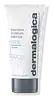
This barrier-repair moisturizer is formulated around Sodium Hyaluronate and Ceramide NP to strengthen the skin barrier and hydrate skin.
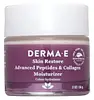
This anti-aging moisturizer is formulated around Palmitoyl Tripeptide-38 and Acetyl Hexapeptide-8 to soften the look of wrinkles and refine skin texture.

What's inside
What's inside
 Key Ingredients
Benefits
Concerns
Ingredients Side-by-side
Water
Skin ConditioningEthylhexyl Hydroxystearate
Emollient

Butylene Glycol
Humectant

Cetearyl Ethylhexanoate
Emollient
Cetyl Caprylate
EmollientStearic Acid
Cleansing
PEG-8
HumectantOctyldodecanol
Emollient
Dimethicone
Emollient

Glyceryl Stearate Se
Emulsifying

PEG-100 Stearate
Surfactant
Sodium Hyaluronate
Humectant


Hydrolyzed Sodium Hyaluronate
Skin Conditioning
Sodium Ascorbyl Phosphate
Antioxidant




Chlorella Vulgaris Extract
Skin ConditioningCeramide NP
Skin Conditioning
Phytosterols
Skin Conditioning
Centella Asiatica Extract
Cleansing
Linoleic Acid
Cleansing
Echinacea Purpurea Extract
MoisturisingAloe Barbadensis Extract
Skin Conditioning
Palmitic Acid
Emollient
Myristic Acid
Cleansing
Rosa Centifolia Extract
Skin ConditioningLactic Acid
Buffering


Linolenic Acid
Cleansing

Propanediol
Solvent
Tocopherol
Antioxidant
Potassium Cetyl Phosphate
EmulsifyingHelianthus Annuus Seed Oil
Emollient
Tetrasodium Glutamate Diacetate
ChelatingEthylhexylglycerin
Skin ConditioningCetyl Alcohol
Emollient
Carbomer
Emulsion StabilisingHydroxystearic Acid
Cleansing
Aminomethyl Propanol
BufferingSodium Hydroxide
BufferingPhenoxyethanol
Preservative
Water, Ethylhexyl Hydroxystearate, Butylene Glycol, Cetearyl Ethylhexanoate, Cetyl Caprylate, Stearic Acid, PEG-8, Octyldodecanol, Dimethicone, Glyceryl Stearate Se, PEG-100 Stearate, Sodium Hyaluronate, Hydrolyzed Sodium Hyaluronate, Sodium Ascorbyl Phosphate, Chlorella Vulgaris Extract, Ceramide NP, Phytosterols, Centella Asiatica Extract, Linoleic Acid, Echinacea Purpurea Extract, Aloe Barbadensis Extract, Palmitic Acid, Myristic Acid, Rosa Centifolia Extract, Lactic Acid, Linolenic Acid, Propanediol, Tocopherol, Potassium Cetyl Phosphate, Helianthus Annuus Seed Oil, Tetrasodium Glutamate Diacetate, Ethylhexylglycerin, Cetyl Alcohol, Carbomer, Hydroxystearic Acid, Aminomethyl Propanol, Sodium Hydroxide, Phenoxyethanol
Water
Skin ConditioningGlycerin
Humectant
Macadamia Ternifolia Seed Oil
Emollient
Caprylic/Capric Triglyceride
Masking
Stearic Acid
Cleansing
Cetyl Alcohol
Emollient
Glyceryl Stearate Citrate
Emollient
Dimethicone
Emollient
Hydroxypropyl Cyclodextrin
MaskingPalmitoyl Tripeptide-38
Skin Conditioning
Acetyl Hexapeptide-8
Humectant
Panthenol
Skin Conditioning
Pinus Pinaster Bark Extract
Antioxidant
Glyceryl Stearate Se
Emulsifying
Acacia Seyal Gum Extract
HumectantTocopheryl Acetate
Antioxidant
Ascorbyl Palmitate
Antioxidant
Hamamelis Virginiana Bark/Leaf Extract
AstringentAesculus Hippocastanum Seed Extract
Skin ConditioningCamellia Sinensis Leaf Extract
Antimicrobial
Chamomilla Recutita Flower
Skin Conditioning
Simmondsia Chinensis Seed Oil
Emollient
Allantoin
Skin Conditioning
Xanthan Gum
EmulsifyingPotassium Sorbate
Preservative
Sodium Hydroxide
BufferingPhenoxyethanol
Preservative
Ethylhexylglycerin
Skin ConditioningParfum
Masking
Water, Glycerin, Macadamia Ternifolia Seed Oil, Caprylic/Capric Triglyceride, Stearic Acid, Cetyl Alcohol, Glyceryl Stearate Citrate, Dimethicone, Hydroxypropyl Cyclodextrin, Palmitoyl Tripeptide-38, Acetyl Hexapeptide-8, Panthenol, Pinus Pinaster Bark Extract, Glyceryl Stearate Se, Acacia Seyal Gum Extract, Tocopheryl Acetate, Ascorbyl Palmitate, Hamamelis Virginiana Bark/Leaf Extract, Aesculus Hippocastanum Seed Extract, Camellia Sinensis Leaf Extract, Chamomilla Recutita Flower, Simmondsia Chinensis Seed Oil, Allantoin, Xanthan Gum, Potassium Sorbate, Sodium Hydroxide, Phenoxyethanol, Ethylhexylglycerin, Parfum
Reviews
Ingredients Explained
These ingredients are found in both products.
Ingredients higher up in an ingredient list are typically present in a larger amount.
Cetyl Alcohol is a fatty alcohol. Fatty Alcohols are most often used as an emollient or to thicken a product.
Its main roles are:
Though it has "alcohol" in the name, it is not related to denatured alcohol or ethyl alcohol.
The FDA allows products labeled "alcohol-free" to have fatty alcohols.
This ingredient may not be fungal acne safe. It is a primary fatty alcohol with a chain length above 12 carbons. A study from 2019 show Malassezia can feed on fatty alcohols in this range, so it may trigger fungal acne in those prone to it.
Learn more about Cetyl AlcoholDimethicone is a type of synthetic silicone created from natural materials such as quartz. It is also known as polydimethylsiloxane.
What it does:
Dimethicone comes in different viscosities:
Depending on the viscosity, dimethicone has different properties.
Ingredients lists don't always show which type is used, so we recommend reaching out to the brand if you have questions about the viscosity.
This ingredient is unlikely to cause irritation because it does not get absorbed into skin. However, people with silicone allergies should be careful about using this ingredient.
Note: Dimethicone may contribute to pilling. This is because it is not oil or water soluble, so pilling may occur when layered with products. When mixed with heavy oils in a formula, the outcome is also quite greasy.
Learn more about DimethiconeEthylhexylglycerin is created from glycerin. It is a multitasker ingredient that:
The CIR Expert Panel found minimal skin absorption or sensitization of any kind in a safety assessment. Though this ingredient is considered well-tolerated, a small number of cases of allergic dermatitis have been published since 2002. Just be sure to patch test if you are unsure.
Industry-reported use ranges from 8% in rinse-off products and 2% in leave-on formulations.
Learn more about EthylhexylglycerinGlyceryl Stearate SE is a self-emulsifying (SE) form of Glyceryl Stearate. It comes with a small amount of soap (usually potassium or sodium stearate) that gives it the "SE" part.
That soap lets it pull oil and water together on its own which is why it shows up as an emulsifier, thickener, and emollient.
Industry survey data shows this ingredient is used around 1-5% but Glyceryl Stearate goes as high at 17% in a leave-on deodorant.
Safety-wise, it's pretty boring: it's been deemed safe for topical use in 1982 and again most recently in 2021 by the CIR. Human repeat insult patch tests come back non-irritating, non-sensitizing, non-phototoxic, and non-photoallergenic.
This ingredient does carry a comedogenic rating of 3 from the old rabbit-ear assay. Just remember testing finished products in humans showed that formulas built with "comedogenic" ingredients are not necessarily comedogenic themselves. It's worth patch testing if you're breakout prone, and always listen to your skin.
The Malassezia yeast can potentially metabolize the stearic acid in this ingredient, so it may not be fungal acne safe.
Allergy is rare: a 310-patient patch test study of common emulsifiers found this ingredient was not a meaningful reactor. Isolated case reports do exist so a true contact allergy is possible but uncommon.
Learn more about Glyceryl Stearate SePhenoxyethanol is one of the most widely used preservatives in skincare (and for good reason!).
It has a large spectrum of antimicrobial activity and especially effective bacteria, yeast, and mold while only having a weak effect on your skin's natural microbiome.
On a cellular level, it disrupts the cell membranes of microbes by poking holes that make the cell leak. This shuts down the chemical reactions the microbe needs to make energy so it can no longer survive.
Another perk of this ingredient is that it stays functional across a wide pH range (3-10).
You'll often see it paired with boosters like Ethylhexylglycerin; one study showed that a 1:9 ratio of Ethylhexylglycerin to Phenoxyethanol damages bacterial membranes as effectively as doubling the Phenoxyethanol concentration on its own.
Typical use concentrations range from 0.3-1% depending on the formula, and this ingredient is capped at 1% int the EU.
Safety-wise, the fear mongering does not hold up to the evidence. The EU's Scientific Committee on Consumer Safety and FDA consider it safe as a preservative at up to 1%, including for children of all ages.
Adverse systemic effects only showed up in animal studies at exposures roughly 200x higher than what people get from cosmetics. And despite its very widespread use, this ingredient is a rare sensitizer and allergic reactions are uncommon.
Learn more about PhenoxyethanolSodium Hydroxide is also known as lye or caustic soda. It is used to adjust the pH of products; many ingredients require a specific pH to be effective.
In small amounts, sodium hydroxide is considered safe to use. However, large amounts may cause chemical burns due to its high alkaline.
Your skin has a natural pH and acid mantle. This acid mantle helps prevent harmful bacteria from breaking through. The acid mantle also helps keep your skin hydrated.
"Alkaline" refers to a high pH level. A low pH level would be considered acidic.
Learn more about Sodium HydroxideStearic Acid is a fatty acid that is already found in your skin. It's one of the free fatty acids that works alongside ceramides and cholesterols to maintain your barrier.
In cosmetics, it is a multitasker:
Safety-wise, the CIR Expert Panel has concluded it to be safe in cosmetics when formulated to be non-irritating and non-sensitizing.
Free stearic acid is a C18 fatty acid that the Malassezia yeast can substrate, so this ingredient may not be fungal acne safe.
Learn more about Stearic AcidWater. It's the most common cosmetic ingredient of all. You'll usually see it at the top of ingredient lists, meaning that it makes up the largest part of the product.
So why is it so popular? Water most often acts as a solvent - this means that it helps dissolve other ingredients into the formulation.
You'll also recognize water as that liquid we all need to stay alive. If you see this, drink a glass of water. Remember to stay hydrated!
Learn more about Water

