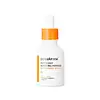
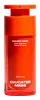
Dermafirm Peptology Boosting Ampoule Niacinamide Vita C+ Versus Educated Mess Golden Hour Gold-Stabilized Vitamin C Serum
This brightening ampoule is formulated around Niacinamide and Arbutin to fade the look of dark spots and brighten dull-looking skin.
This brightening serum is formulated around Ascorbic Acid and Glutathione to brighten dull-looking skin and fade the look of dark spots.


What's inside
What's inside
 Key Ingredients
Benefits
Concerns
Ingredients Side-by-side
Water
Skin ConditioningNiacinamide
Smoothing











Pentylene Glycol
Skin Conditioning
Caprylic/Capric Triglyceride
Masking

Ethoxydiglycol
HumectantArbutin
Antioxidant

Polyglycerin-3
Humectant
Butylene Glycol
Humectant
Acrylates/C10-30 Alkyl Acrylate Crosspolymer
Emulsion StabilisingC12-14 Pareth-12
EmulsifyingGelatin
Tromethamine
BufferingAlpha-Arbutin
Antioxidant
1,2-Hexanediol
Skin Conditioning
Ethylhexylglycerin
Skin ConditioningHydroxyethyl Acrylate/Sodium Acryloyldimethyl Taurate Copolymer
Emulsion StabilisingXanthan Gum
EmulsifyingCoptis Japonica Root Extract
Skin ConditioningAdenosine
Skin Conditioning
Ubiquinone
Antioxidant
Acacia Senegal Gum
MaskingCellulose Gum
Emulsion StabilisingEclipta Prostrata Extract
Skin Conditioning
Glutathione
Dipropylene Glycol
HumectantSorbitan Isostearate
Emulsifying

Carbomer
Emulsion StabilisingPhosphatidylcholine
EmulsifyingPolyglyceryl-10 Laurate
Skin Conditioning
Melia Azadirachta Leaf Extract
Skin ConditioningEucalyptus Globulus Leaf Extract
Perfuming
Perilla Ocymoides Leaf Extract
TonicMoringa Oleifera Seed Oil
Emollient


Tocopherol
Antioxidant
Ascorbic Acid
Antioxidant
Water, Niacinamide, Pentylene Glycol, Caprylic/Capric Triglyceride, Ethoxydiglycol, Arbutin, Polyglycerin-3, Butylene Glycol, Acrylates/C10-30 Alkyl Acrylate Crosspolymer, C12-14 Pareth-12, Gelatin, Tromethamine, Alpha-Arbutin, 1,2-Hexanediol, Ethylhexylglycerin, Hydroxyethyl Acrylate/Sodium Acryloyldimethyl Taurate Copolymer, Xanthan Gum, Coptis Japonica Root Extract, Adenosine, Ubiquinone, Acacia Senegal Gum, Cellulose Gum, Eclipta Prostrata Extract, Glutathione, Dipropylene Glycol, Sorbitan Isostearate, Carbomer, Phosphatidylcholine, Polyglyceryl-10 Laurate, Melia Azadirachta Leaf Extract, Eucalyptus Globulus Leaf Extract, Perilla Ocymoides Leaf Extract, Moringa Oleifera Seed Oil, Tocopherol, Ascorbic Acid
Water
Skin ConditioningGlycerin
Humectant
Ascorbic Acid
Antioxidant
Gold
Cosmetic ColorantGlutathione
Sodium Hyaluronate
Humectant
Hedychium Coronarium Root Extract
MaskingCitrus Aurantium Dulcis Fruit Extract
MaskingCitrus Limon Fruit Extract
Masking
Lactobacillus/Punica Granatum Fruit Ferment Extract
Antioxidant
Vaccinium Myrtillus Fruit/Leaf Extract
AstringentSaccharum Officinarum Extract
MoisturisingAcer Saccharum Extract
Skin ConditioningPseudoalteromonas Ferment Extract
Humectant
Lactic Acid
Buffering
Glycolic Acid
Buffering
Malic Acid
Buffering
Tartaric Acid
Buffering
Citric Acid
Buffering
Sorbitol
Humectant
Panthenol
Skin Conditioning
Allantoin
Skin Conditioning
Hydroxypropyl Methylcellulose
Emulsion StabilisingXanthan Gum
EmulsifyingSodium Hydroxide
BufferingAmmonium Acryloyldimethyltaurate/Vp Copolymer
Propanediol
Solvent
Glyceryl Caprylate
EmollientHydroxyacetophenone
Antioxidant
1,2-Hexanediol
Skin Conditioning
Titanium Dioxide
Cosmetic Colorant

Mica
Cosmetic ColorantWater, Glycerin, Ascorbic Acid, Gold, Glutathione, Sodium Hyaluronate, Hedychium Coronarium Root Extract, Citrus Aurantium Dulcis Fruit Extract, Citrus Limon Fruit Extract, Lactobacillus/Punica Granatum Fruit Ferment Extract, Vaccinium Myrtillus Fruit/Leaf Extract, Saccharum Officinarum Extract, Acer Saccharum Extract, Pseudoalteromonas Ferment Extract, Lactic Acid, Glycolic Acid, Malic Acid, Tartaric Acid, Citric Acid, Sorbitol, Panthenol, Allantoin, Hydroxypropyl Methylcellulose, Xanthan Gum, Sodium Hydroxide, Ammonium Acryloyldimethyltaurate/Vp Copolymer, Propanediol, Glyceryl Caprylate, Hydroxyacetophenone, 1,2-Hexanediol, Titanium Dioxide, Mica
Reviews
Ingredients Explained
These ingredients are found in both products.
Ingredients higher up in an ingredient list are typically present in a larger amount.
1,2-Hexanediol is a synthetic liquid and another multi-functional powerhouse.
It is a:
- Humectant, drawing moisture into the skin
- Emollient, helping to soften skin
- Solvent, dispersing and stabilizing formulas
- Preservative booster, enhancing the antimicrobial activity of other preservatives
Ascorbic Acid is is pure Vitamin C and is the biologically active form used directly by skin.
Not only is vitamin C great for your overall health and immune system, but it also has plenty of benefits for your skin. It is best supported by academic literature for:
Topical vitamin C has been shown to help neutralize oxidative stress from UV and pollution, helping to improve photoaging and hyperpigmentation when used consistently.
One clinical study found that using 5% topical vitamin C for six months improved signs of photodamaged skin, both on the surface and in the deeper structural layers of the skin.
While vitamin C doesn’t replace sunscreen, studies show it can boost photoprotection when combined with Vitamin E and ferulic acid. These two ingredients help improve stability and protective effects.
The big downside of this ingredient is formulation difficulty. Vitamin C is prone to oxidation and doesn't penetrate the skin unless formulated correctly. Research found that vitamin C absorbs into the skin best at a low pH (< 3.5) with about 20% being the upper limit for effective absorption.
Skin levels can saturate after repeated application; this means your skin won’t keep absorbing more once it’s full of vitamin C. This is why more isn’t always better with vitamin C and why very high concentrations don’t necessarily give extra benefits.
Ascorbic acid generally works well with many skincare ingredients but can be irritating when combined with other active ingredients. Strong oxidizing acne treatments like benzoyl peroxide can reduce the effectiveness of vitamin C if they are used at the same time; they are often recommended for use at different times of day.
Read more about other types of Vitamin C:
Foods rich with vitamin C include oranges, strawberries, broccoli, bell peppers, and more. When consuming Vitamin C, your skin receives a portion of the nutrients.
Learn more about Ascorbic AcidGlutathione is a tiny protein-like molecule (a "tripeptide" build from 3 amino acids: glycine, cysteine, and glutamic acid) that your body already makes on its own.
Inside your body, it acts as one of the skin's main antioxidants that help fight against free radicals.
In skincare, it's best known as a brightening ingredient that slows down tyrosinase, the key enzyme that makes skin pigment. It also nudges the skin toward making a lighter type of pigment instead of a darker one.
This is why you'll see it in products aimed at dark spots and uneven tone.
A small number of real human trials have found a topical glutathione lotion:
The honest caveat is that the current evidence is still thin (few studies, small groups, short timelines). Glutathione also doesn't absorb into skin very easily so results tend to be modest and fade if you stop using it.
One thing worth clearing up:
The scary side effects you may have heard about come from glutathione injected intravenously, which has real safety concerns. Applying it topically is a completely different thing and has a clean track record.
Most human studies used it around 2% (as Glutathione or Glutathione Disulfide) and a 2% oxidized glutathione lotion and a 2% S-acyl glutathione cream are the concentrations with actual clinical data behind them.
There's no established "ideal" percentage yet but 1-2% is the evidence-backed range.
Allergy-wise, there is very low risk for this ingredient; it was well-tolerated across the topical trials. Only one participant had mild temporary redness that cleared up on its own and another study reported no adverse reactions at all.
One trial had ~10% of users drop out for irritation was using a combination cream that also had 10% azelaic acid so the irritation likely wasn't from the glutathione. There's no notable contact-allergy signal for topical glutathione in the literature but patch-testing before first use is still sensible for those with sensitive skin.
Learn more about GlutathioneWater. It's the most common cosmetic ingredient of all. You'll usually see it at the top of ingredient lists, meaning that it makes up the largest part of the product.
So why is it so popular? Water most often acts as a solvent - this means that it helps dissolve other ingredients into the formulation.
You'll also recognize water as that liquid we all need to stay alive. If you see this, drink a glass of water. Remember to stay hydrated!
Learn more about WaterXanthan gum is used as a stabilizer and thickener within cosmetic products. It helps give products a sticky, thick feeling - preventing them from being too runny.
On the technical side of things, xanthan gum is a polysaccharide - a combination consisting of multiple sugar molecules bonded together.
Xanthan gum is a pretty common and great ingredient. It is a natural, non-toxic, non-irritating ingredient that is also commonly used in food products.
Learn more about Xanthan Gum

