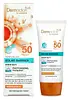
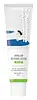
Dermaction Plus by Watsons Sun Solar Invisible Balm SPF 50 Versus Round Lab Birch Juice Moisturizing Mild-Up Sun Cream SPF 50+ PA++++
This hybrid sunscreen covers the full UV range and blocks ~98% of UVB at SPF 50.
This hybrid sunscreen covers the full UV range and blocks ~98% of UVB at SPF 50.


What's inside
What's inside
 Key Ingredients
Benefits
Concerns
Ingredients Side-by-side
Water
Skin ConditioningGlycerin
Humectant


Sodium Acrylates Crosspolymer-2
AbsorbentButylene Glycol
Humectant
Polysilicone-11


Dimethicone
Emollient
Butyl Methoxydibenzoylmethane
UV Absorber
Ethylhexyl Methoxycinnamate
UV Absorber

Hydrolyzed Jojoba Esters
Skin Conditioning

Methylene Bis-Benzotriazolyl Tetramethylbutylphenol
UV Filter
Saccharide Isomerate
Humectant
Octocrylene
UV Absorber
Phenoxyethanol
Preservative
Chlorphenesin
Antimicrobial
Decyl Glucoside
Cleansing
Polysorbate 40
Emulsifying
Lecithin
Emollient
Disodium EDTA
Polysorbate 20
Emulsifying
Laureth-12
EmulsifyingBenzophenone-3
UV Absorber
Titanium Dioxide
Cosmetic Colorant
Hamamelis Virginiana Water
Astringent
Aloe Barbadensis Leaf Juice
Skin Conditioning
Propylene Glycol
Humectant
Citric Acid
Buffering

Sodium Citrate
BufferingXanthan Gum
EmulsifyingEthylhexylglycerin
Skin ConditioningPolygonum Aviculare Extract
EmollientMelanin
Skin ProtectingPalmitoyl Tripeptide-5
Skin Conditioning


Potassium Sorbate
Preservative
Sodium Benzoate
Masking
Pentylene Glycol
Skin Conditioning
Benzoic Acid
Masking
Water, Glycerin, Sodium Acrylates Crosspolymer-2, Butylene Glycol, Polysilicone-11, Dimethicone, Butyl Methoxydibenzoylmethane, Ethylhexyl Methoxycinnamate, Hydrolyzed Jojoba Esters, Methylene Bis-Benzotriazolyl Tetramethylbutylphenol, Saccharide Isomerate, Octocrylene, Phenoxyethanol, Chlorphenesin, Decyl Glucoside, Polysorbate 40, Lecithin, Disodium EDTA, Polysorbate 20, Laureth-12, Benzophenone-3, Titanium Dioxide, Hamamelis Virginiana Water, Aloe Barbadensis Leaf Juice, Propylene Glycol, Citric Acid, Sodium Citrate, Xanthan Gum, Ethylhexylglycerin, Polygonum Aviculare Extract, Melanin, Palmitoyl Tripeptide-5, Potassium Sorbate, Sodium Benzoate, Pentylene Glycol, Benzoic Acid
Water
Skin ConditioningZinc Oxide
Cosmetic Colorant
Cyclohexasiloxane
Emollient
Butyloctyl Salicylate
Skin Conditioning
Propanediol
Solvent
Propylheptyl Caprylate
EmollientIsododecane
EmollientCaprylyl Methicone
Skin Conditioning
Lauryl Polyglyceryl-3 Polydimethylsiloxyethyl Dimethicone
Skin Conditioning
Methyl Methacrylate Crosspolymer
Methyl Trimethicone
Skin Conditioning
Adansonia Digitata Seed Extract
Skin ConditioningCryptomeria Japonica Leaf Extract
HumectantNelumbo Nucifera Leaf Extract
Skin ConditioningSaccharomyces Ferment Filtrate
Humectant
Glyceryl Glucoside
Humectant
Sodium Hyaluronate
Humectant
Hyaluronic Acid
Humectant
Glycerin
Humectant
Butylene Glycol
Humectant
Triethoxycaprylylsilane
Artemisia Annua Extract
Masking
Anthemis Nobilis Flower Oil
Masking


Pinus Sylvestris Leaf Oil
Masking
Ethylhexylglycerin
Skin ConditioningAscorbic Acid
Antioxidant


Tocopherol
Antioxidant
Glyceryl Caprylate
EmollientCaprylyl Glycol
Emollient
Polymethylsilsesquioxane
1,2-Hexanediol
Skin Conditioning
Polyglyceryl-2 Dipolyhydroxystearate
Skin Conditioning
Disteardimonium Hectorite
StabilisingMagnesium Sulfate
Water, Zinc Oxide, Cyclohexasiloxane, Butyloctyl Salicylate, Propanediol, Propylheptyl Caprylate, Isododecane, Caprylyl Methicone, Lauryl Polyglyceryl-3 Polydimethylsiloxyethyl Dimethicone, Methyl Methacrylate Crosspolymer, Methyl Trimethicone, Adansonia Digitata Seed Extract, Cryptomeria Japonica Leaf Extract, Nelumbo Nucifera Leaf Extract, Saccharomyces Ferment Filtrate, Glyceryl Glucoside, Sodium Hyaluronate, Hyaluronic Acid, Glycerin, Butylene Glycol, Triethoxycaprylylsilane, Artemisia Annua Extract, Anthemis Nobilis Flower Oil, Pinus Sylvestris Leaf Oil, Ethylhexylglycerin, Ascorbic Acid, Tocopherol, Glyceryl Caprylate, Caprylyl Glycol, Polymethylsilsesquioxane, 1,2-Hexanediol, Polyglyceryl-2 Dipolyhydroxystearate, Disteardimonium Hectorite, Magnesium Sulfate
Reviews
Ingredients Explained
These ingredients are found in both products.
Ingredients higher up in an ingredient list are typically present in a larger amount.
Butylene Glycol (or BG) is used within cosmetic products for a few different reasons:
Overall, Butylene Glycol is a safe and well-rounded ingredient that works well with other ingredients.
Though this ingredient works well with most skin types, some people with sensitive skin may experience a reaction such as allergic rashes, closed comedones, or itchiness.
Learn more about Butylene GlycolEthylhexylglycerin is created from glycerin. It is a multitasker ingredient that:
The CIR Expert Panel found minimal skin absorption or sensitization of any kind in a safety assessment. Though this ingredient is considered well-tolerated, a small number of cases of allergic dermatitis have been published since 2002. Just be sure to patch test if you are unsure.
Industry-reported use ranges from 8% in rinse-off products and 2% in leave-on formulations.
Learn more about EthylhexylglycerinGlycerin (or glycerol) is a compound naturally found in your skin. It's a powerhouse humectant that pulls water into the stratum corneum.
Topically, glycerin does several things at once:
Your skin makes glycerin on its own (mostly from sebaceous oil breakdown) and shuttles it to your outermost layer of skin, or your epidermis, via aquaporin-3.
Aquaporin-3 is a transporter that is essential for normal skin hydration, elasticity, and repair. Interestingly, mice lacking in AQP3 have dry and less elastic skin that can be fully corrected with glycerin.
This ingredient is non-irritating, plays well with almost every ingredient, and works across all skin types. Typical use is anywhere between 3-10% but can go up to 79% in some leave-on products.
Just know very high concentrations (>40%) can feel tacky in low humidity.
Glycerin is the name for this ingredient in American English. British English uses Glycerol/Glycerine.
Learn more about GlycerinWater. It's the most common cosmetic ingredient of all. You'll usually see it at the top of ingredient lists, meaning that it makes up the largest part of the product.
So why is it so popular? Water most often acts as a solvent - this means that it helps dissolve other ingredients into the formulation.
You'll also recognize water as that liquid we all need to stay alive. If you see this, drink a glass of water. Remember to stay hydrated!
Learn more about Water

