This calming moisturizer is formulated around Calendula Officinalis Extract and Aloe Barbadensis Extract to calm redness and hydrate skin.
This barrier-repair moisturizer is formulated around Tocopherol and Sodium Hyaluronate to strengthen the skin barrier and hydrate skin.


What's inside
What's inside
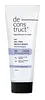 Key Ingredients
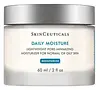
No key ingredients
Benefits
Concerns
No concerns
Ingredients Side-by-side
Water
Skin ConditioningCalendula Officinalis Extract
Skin Conditioning

Glycerin
Humectant


Diheptyl Succinate
EmollientAloe Barbadensis Extract
Skin Conditioning
Triethanolamine
BufferingPhenoxyethanol
Preservative
Betaine
Humectant
Acrylates/C10-30 Alkyl Acrylate Crosspolymer
Emulsion StabilisingSodium PCA
Humectant
Panthenol
Skin Conditioning
Sodium Gluconate
ChelatingEthylhexylglycerin
Skin ConditioningSodium Lactate
Buffering
PCA
Humectant
Capryloyl Glycerin/Sebacic Acid Copolymer
Skin ConditioningSerine
Masking
Alanine
Masking
Glycine
Buffering
Glutamic Acid
Humectant
Lysine Hcl
Skin Conditioning
Threonine
Arginine
Masking
Proline
Skin Conditioning
Water, Calendula Officinalis Extract, Glycerin, Diheptyl Succinate, Aloe Barbadensis Extract, Triethanolamine, Phenoxyethanol, Betaine, Acrylates/C10-30 Alkyl Acrylate Crosspolymer, Sodium PCA, Panthenol, Sodium Gluconate, Ethylhexylglycerin, Sodium Lactate, PCA, Capryloyl Glycerin/Sebacic Acid Copolymer, Serine, Alanine, Glycine, Glutamic Acid, Lysine Hcl, Threonine, Arginine, Proline
Water
Skin ConditioningGlycerin
Humectant
Cetyl Palmitate
Emollient

Stearic Acid
Cleansing
Butylene Glycol
Humectant
Palmitic Acid
Emollient

Tocopherol
Antioxidant




Dimethicone
Emollient
Polymethylsilsesquioxane
Glyceryl Stearate
Emollient
Sorbitol
Humectant
CI 77163
Cosmetic Colorant
Phenoxyethanol
Preservative
PEG-100 Stearate
Surfactant
Sodium Hyaluronate
Humectant
Hamamelis Virginiana Water
Astringent

PEG-75 Stearate
Surfactant
Cetyl Alcohol
Emollient

Carbomer
Emulsion StabilisingEthylhexyl Hydroxystearate
Emollient
Allantoin
Skin Conditioning
Panthenol
Skin Conditioning
Ceteth-20
CleansingTriethanolamine
BufferingCaprylyl Glycol
Emollient
Xanthan Gum
EmulsifyingPropylene Glycol
Humectant
Steareth-20
CleansingDisodium EDTA
ChelatingMyristic Acid
Cleansing
Betaine
Humectant
Chlorella Vulgaris Extract
Skin ConditioningLaminaria Saccharina Extract
Skin Protecting
Glucose
Humectant
Chamomilla Recutita Flower Extract
Masking
Chamomilla Recutita Extract
Skin Conditioning
Zingiber Officinale Root Extract
Masking
Sanguisorba Officinalis Root Extract
CleansingCinnamomum Cassia Bark Extract
Masking
Thymus Vulgaris Flower/Leaf Extract
MaskingRetinyl Palmitate
Skin Conditioning
Helianthus Annuus Seed Oil
Emollient
Sodium Benzoate
Masking
Zinc Sulfate
Antimicrobial
Laminaria Ochroleuca Extract
Skin Conditioning
Glycyrrhiza Glabra Root Extract
Bleaching
Urtica Dioica Extract
AstringentEquisetum Arvense Extract
AstringentBetula Alba Leaf Extract
AstringentCitric Acid
Buffering
Potassium Sorbate
Preservative
Cinnamal
Perfuming


Pyridoxine Hcl
Skin ConditioningWater, Glycerin, Cetyl Palmitate, Stearic Acid, Butylene Glycol, Palmitic Acid, Tocopherol, Dimethicone, Polymethylsilsesquioxane, Glyceryl Stearate, Sorbitol, CI 77163, Phenoxyethanol, PEG-100 Stearate, Sodium Hyaluronate, Hamamelis Virginiana Water, PEG-75 Stearate, Cetyl Alcohol, Carbomer, Ethylhexyl Hydroxystearate, Allantoin, Panthenol, Ceteth-20, Triethanolamine, Caprylyl Glycol, Xanthan Gum, Propylene Glycol, Steareth-20, Disodium EDTA, Myristic Acid, Betaine, Chlorella Vulgaris Extract, Laminaria Saccharina Extract, Glucose, Chamomilla Recutita Flower Extract, Chamomilla Recutita Extract, Zingiber Officinale Root Extract, Sanguisorba Officinalis Root Extract, Cinnamomum Cassia Bark Extract, Thymus Vulgaris Flower/Leaf Extract, Retinyl Palmitate, Helianthus Annuus Seed Oil, Sodium Benzoate, Zinc Sulfate, Laminaria Ochroleuca Extract, Glycyrrhiza Glabra Root Extract, Urtica Dioica Extract, Equisetum Arvense Extract, Betula Alba Leaf Extract, Citric Acid, Potassium Sorbate, Cinnamal, Pyridoxine Hcl
Reviews
Ingredients Explained
These ingredients are found in both products.
Ingredients higher up in an ingredient list are typically present in a larger amount.
Betaine is a humectant. Like hyaluronic acid, it helps attract and retain moisture in the skin. It’s known for being gentle and for helping the skin maintain balanced hydration.
Betaine is mainly used to improve hydration and support calmer skin. It helps skin cells regulate water balance because it functions as an osmolyte.
Some studies suggest betaine may support making skin tone more even.
Fun fact: Betaine naturally exists in the skin and the body. In cosmetic products, it can be either plant-derived (most commonly from sugar beets) or synthetically produced for consistency and stability.
Betaine is also known as trimethylglycine.
Learn more about BetaineGlycerin (or glycerol) is a compound naturally found in your skin. It's a powerhouse humectant that pulls water into the stratum corneum.
Topically, glycerin does several things at once:
Your skin makes glycerin on its own (mostly from sebaceous oil breakdown) and shuttles it to your outermost layer of skin, or your epidermis, via aquaporin-3.
Aquaporin-3 is a transporter that is essential for normal skin hydration, elasticity, and repair. Interestingly, mice lacking in AQP3 have dry and less elastic skin that can be fully corrected with glycerin.
This ingredient is non-irritating, plays well with almost every ingredient, and works across all skin types. Typical use is anywhere between 3-10% but can go up to 79% in some leave-on products.
Just know very high concentrations (>40%) can feel tacky in low humidity.
Glycerin is the name for this ingredient in American English. British English uses Glycerol/Glycerine.
Learn more about GlycerinPanthenol is a common ingredient that helps hydrate and soothe the skin. It is found naturally in our skin and hair.
There are two forms of panthenol: D and L.
D-panthenol is also known as dexpanthenol. Most cosmetics use dexpanthenol or a mixture of D and L-panthenol.
Panthenol is famous due to its ability to go deeper into the skin's layers. Using this ingredient has numerous pros (and no cons):
Like hyaluronic acid, panthenol is a humectant. Humectants are able to bind and hold large amounts of water to keep skin hydrated.
This ingredient works well for wound healing. It works by increasing tissue in the wound and helps close open wounds.
Once oxidized, panthenol converts to pantothenic acid. Panthothenic acid is found in all living cells.
This ingredient is also referred to as pro-vitamin B5.
Learn more about PanthenolPhenoxyethanol is one of the most widely used preservatives in skincare (and for good reason!).
It has a large spectrum of antimicrobial activity and especially effective bacteria, yeast, and mold while only having a weak effect on your skin's natural microbiome.
On a cellular level, it disrupts the cell membranes of microbes by poking holes that make the cell leak. This shuts down the chemical reactions the microbe needs to make energy so it can no longer survive.
Another perk of this ingredient is that it stays functional across a wide pH range (3-10).
You'll often see it paired with boosters like Ethylhexylglycerin; one study showed that a 1:9 ratio of Ethylhexylglycerin to Phenoxyethanol damages bacterial membranes as effectively as doubling the Phenoxyethanol concentration on its own.
Typical use concentrations range from 0.3-1% depending on the formula, and this ingredient is capped at 1% int the EU.
Safety-wise, the fear mongering does not hold up to the evidence. The EU's Scientific Committee on Consumer Safety and FDA consider it safe as a preservative at up to 1%, including for children of all ages.
Adverse systemic effects only showed up in animal studies at exposures roughly 200x higher than what people get from cosmetics. And despite its very widespread use, this ingredient is a rare sensitizer and allergic reactions are uncommon.
Learn more about PhenoxyethanolTriethanolamine (TEA) is an emulsifier and pH adjuster. It is created using ethylene oxide and ammonia. This gives Triethanolamine a nitrogen core and a similar scent to ammonia.
As an emulsifier, it prevents ingredients from separating and enhances texture by adding volume to a product.
PH adjusters are common in cosmetic products. The pH of a product can affect the effectiveness of other ingredients. A product with a high pH may also irritate the skin.
If you are looking for the tea leaf ingredient, click here.
Learn more about TriethanolamineWater. It's the most common cosmetic ingredient of all. You'll usually see it at the top of ingredient lists, meaning that it makes up the largest part of the product.
So why is it so popular? Water most often acts as a solvent - this means that it helps dissolve other ingredients into the formulation.
You'll also recognize water as that liquid we all need to stay alive. If you see this, drink a glass of water. Remember to stay hydrated!
Learn more about Water

