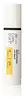
This brightening lip moisturizer is formulated around Ricinus Communis Seed Oil and Ascorbyl Tetraisopalmitate to fade the look of dark spots and hydrate lips.
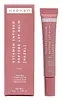
This anti-aging lip moisturizer is formulated around Squalane and Tripeptide-1 to soften the look of wrinkles and hydrate lips.

What's inside
What's inside
 Key Ingredients
Benefits
Concerns
Ingredients Side-by-side
Ricinus Communis Seed Oil
Masking




Caprylic/Capric Triglyceride
Masking

Isopropyl Myristate
Emollient



Cera Microcristallina
Emulsion StabilisingCopernicia Cerifera Wax
Helianthus Annuus Seed Oil
Emollient
Butyl Methoxydibenzoylmethane
UV Absorber
Candelilla Cera
Emollient
Ozokerite
Emulsion StabilisingTheobroma Cacao Seed Butter
Emollient
Ethylhexyl Salicylate
UV Absorber
Homosalate
Skin Conditioning
Octocrylene
UV Absorber
Mangifera Indica Seed Butter
Skin Conditioning
Hydrogenated Castor Oil
Emollient
Garcinia Indica Seed Butter
Skin Conditioning
Astrocaryum Murumuru Seed Butter
Emollient
Theobroma Grandiflorum Seed Butter
Skin Conditioning
Prunus Amygdalus Dulcis Oil
Skin Conditioning
Titanium Dioxide
Cosmetic Colorant
Silica
Abrasive


Jojoba Esters
Emollient
Polyhydroxystearic Acid
Emulsifying
Zinc Oxide
Cosmetic Colorant
C12-15 Alkyl Benzoate
AntimicrobialIsostearic Acid
Cleansing
Ascorbyl Tetraisopalmitate
Antioxidant


Tocopherol
Antioxidant



Vanilla Planifolia Fruit Oil
Emollient
Soybean Glycerides
EmollientButyrospermum Parkii Butter Unsaponifiables
Skin Conditioning
Phenylethyl Resorcinol
Antioxidant
Phytosteryl/Octyldodecyl Lauroyl Glutamate
Skin ConditioningLinoleic Acid
Cleansing

Linolenic Acid
Cleansing
Ricinus Communis Seed Oil, Caprylic/Capric Triglyceride, Isopropyl Myristate, Cera Microcristallina, Copernicia Cerifera Wax, Helianthus Annuus Seed Oil, Butyl Methoxydibenzoylmethane, Candelilla Cera, Ozokerite, Theobroma Cacao Seed Butter, Ethylhexyl Salicylate, Homosalate, Octocrylene, Mangifera Indica Seed Butter, Hydrogenated Castor Oil, Garcinia Indica Seed Butter, Astrocaryum Murumuru Seed Butter, Theobroma Grandiflorum Seed Butter, Prunus Amygdalus Dulcis Oil, Titanium Dioxide, Silica, Jojoba Esters, Polyhydroxystearic Acid, Zinc Oxide, C12-15 Alkyl Benzoate, Isostearic Acid, Ascorbyl Tetraisopalmitate, Tocopherol, Vanilla Planifolia Fruit Oil, Soybean Glycerides, Butyrospermum Parkii Butter Unsaponifiables, Phenylethyl Resorcinol, Phytosteryl/Octyldodecyl Lauroyl Glutamate, Linoleic Acid, Linolenic Acid
Hydrogenated Polyisobutene
EmollientHelianthus Annuus Flower
Skin ConditioningOlive Oil PEG-7 Esters
Emollient
Synthetic Wax
Abrasive
Caprylic/Capric Triglyceride
Masking
Propylene Glycol
Humectant
Paraffin
Skin Conditioning
Squalane
Emollient
Polyurethane-79
Glycol Montanate
EmulsifyingTocotrienols
Skin Conditioning
Linoleic Acid
Cleansing
Tripeptide-1
Skin Conditioning
Hexapeptide-9
Skin Conditioning
Palmitoyl Tripeptide-5
Skin Conditioning
Palmitoyl Pentapeptide-4
Skin Conditioning
Palmitoyl Tetrapeptide-7
Skin Conditioning
Butyrospermum Parkii Butter
Skin Conditioning
Tapioca Starch
Vanillin
Masking
Caprylyl Glycol
Emollient
Sucralose
Skin ConditioningGlycerin
Humectant
Water
Skin ConditioningPolysorbate 20
Emulsifying
CI 77891
Cosmetic ColorantCI 77499
Cosmetic ColorantCI 77492
Cosmetic ColorantCI 45410
Cosmetic ColorantCI 45380
Cosmetic ColorantHydrogenated Polyisobutene, Helianthus Annuus Flower, Olive Oil PEG-7 Esters, Synthetic Wax, Caprylic/Capric Triglyceride, Propylene Glycol, Paraffin, Squalane, Polyurethane-79, Glycol Montanate, Tocotrienols, Linoleic Acid, Tripeptide-1, Hexapeptide-9, Palmitoyl Tripeptide-5, Palmitoyl Pentapeptide-4, Palmitoyl Tetrapeptide-7, Butyrospermum Parkii Butter, Tapioca Starch, Vanillin, Caprylyl Glycol, Sucralose, Glycerin, Water, Polysorbate 20, CI 77891, CI 77499, CI 77492, CI 45410, CI 45380
Ingredients Explained
These ingredients are found in both products.
Ingredients higher up in an ingredient list are typically present in a larger amount.
Caprylic/Capric Triglyceride (aka MCT Oil) is a lightweight emollient, solvent, and texture enhancer. It is considered a skin-softener by helping to prevent moisture loss.
Though it behaves like an oil, it is not technically one due to its chemical composition. One perk of this ingredient is that it is very stable, resistant to oxidation, and unlikely to go rancid.
In practice, that translates to a long shelf life and a consistently elegant skin feel.
While there is an assumption Caprylic Triglyceride can clog pores due to it being derived from coconut oil, there is no research supporting this. Just patch test if you have concerns.
Fractionated coconut oil and MCT Oil are both listed as Caprylic/Capric Triglyceride according to INCI. This is because INCI names are based on the ingredient’s final chemical composition and not its marketing name or source.
This ingredient is treated as the gold standard fungal acne safe oil. Even though it is coconut derived, the problematic lauric acid is stripped out.
This leaves just caprylic (C8) and capric (C10) acid. These chain lengths actually trend antifungal; a 2020 study found caprylic acid was enough to disrupt Malassezia furfur cell membrane, with a caprylic acid derivative damaging membrane structures at concentrations as low as 0.2%.
Learn more about Caprylic/Capric TriglycerideLinoleic Acid is also known as Vitamin F. It is a fatty acid with emollient and skin conditioning properties.
Our top layer of skin, or epidermis, naturally contains high amounts of linoleic acid.
Your body uses linoleic acid to build ceramides and prostaglandins. Ceramides keep your skin's barrier hydrated and strong while prosaglandins help control inflammation and healing.
Needless to say, linoleic acid is crucial for having a strong skin barrier.
One study found applying linoleic acid rich sunflower oil to be more effective at repairing the skin barrier than olive oil.
This ingredient can also help treat acne by softening sebum to prevent clogged pores. Another study found using 2.5% linoleic acid gel for 4 weeks showed a 25% reduction in small comedones.
Studies show it can also help lighten hyperpigmentation or sun spots by disrupting the melanin production process. It also helps your skin shed melanin pigment from your skin caused by UV exposure.
Due to its role in the production of the fatty acid prostaglandin, linoleic acid can also help reduce inflammation and support wound healing.
Fun fact: Linoleic acid is an essential fatty acid. This means our bodies cannot create it on its own and we need to get it through foods such as nuts and vegetable oils.
Just know this ingredient is not always fungal-acne safe because it is a long-chain fatty acid (with 18 carbon atoms) that directly feeds the Malassezia yeast responsible for fungal acne.
Learn more about Linoleic Acid

