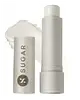
This barrier-repair lip moisturizer is formulated around Petrolatum and Hydrogenated Castor Oil to strengthen the lip barrier and hydrate lips.
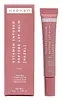
This anti-aging lip moisturizer is formulated around Squalane and Tripeptide-1 to soften the look of wrinkles and hydrate lips.

What's inside
What's inside
 Key Ingredients
Benefits
Concerns
Ingredients Side-by-side
Petrolatum
Emollient



Hydrogenated Polyisobutene
EmollientHydrogenated Castor Oil
Emollient

Ethylhexyl Palmitate
Emollient

Isopropyl Myristate
Emollient
Hydrogenated Vegetable Oil
Emollient
Microcrystalline Wax
Emulsion StabilisingOzokerite
Emulsion StabilisingTriisostearin
Skin Conditioning
Polyglyceryl-3 Stearate/Isostearate/Dimer Dilinoleate Copolymer
Skin ConditioningPropylene Glycol
Humectant
Synthetic Wax
Abrasive
Butyrospermum Parkii Butter
Skin Conditioning
Propylene Glycol Dibenzoate
Skin ConditioningPolyethylene
Abrasive
Caprylic/Capric Triglyceride
Masking
Ethylhexyl Methoxycinnamate
UV Absorber

Simmondsia Chinensis Seed Oil
Emollient
Tocopheryl Acetate
Antioxidant


Phenoxyethanol
Preservative
Ethylhexylglycerin
Skin ConditioningCamellia Japonica Seed Oil
Emollient
BHT
Antioxidant
Aroma


Petrolatum, Hydrogenated Polyisobutene, Hydrogenated Castor Oil, Ethylhexyl Palmitate, Isopropyl Myristate, Hydrogenated Vegetable Oil, Microcrystalline Wax, Ozokerite, Triisostearin, Polyglyceryl-3 Stearate/Isostearate/Dimer Dilinoleate Copolymer, Propylene Glycol, Synthetic Wax, Butyrospermum Parkii Butter, Propylene Glycol Dibenzoate, Polyethylene, Caprylic/Capric Triglyceride, Ethylhexyl Methoxycinnamate, Simmondsia Chinensis Seed Oil, Tocopheryl Acetate, Phenoxyethanol, Ethylhexylglycerin, Camellia Japonica Seed Oil, BHT, Aroma
Hydrogenated Polyisobutene
EmollientHelianthus Annuus Flower
Skin ConditioningOlive Oil PEG-7 Esters
Emollient
Synthetic Wax
Abrasive
Caprylic/Capric Triglyceride
Masking
Propylene Glycol
Humectant
Paraffin
Skin Conditioning
Squalane
Emollient
Polyurethane-79
Glycol Montanate
EmulsifyingTocotrienols
Skin Conditioning
Linoleic Acid
Cleansing

Tripeptide-1
Skin Conditioning
Hexapeptide-9
Skin Conditioning
Palmitoyl Tripeptide-5
Skin Conditioning
Palmitoyl Pentapeptide-4
Skin Conditioning
Palmitoyl Tetrapeptide-7
Skin Conditioning
Butyrospermum Parkii Butter
Skin Conditioning
Tapioca Starch
Vanillin
Masking
Caprylyl Glycol
Emollient
Sucralose
Skin ConditioningGlycerin
Humectant
Water
Skin ConditioningPolysorbate 20
Emulsifying
CI 77891
Cosmetic ColorantCI 77499
Cosmetic ColorantCI 77492
Cosmetic ColorantCI 45410
Cosmetic ColorantCI 45380
Cosmetic ColorantHydrogenated Polyisobutene, Helianthus Annuus Flower, Olive Oil PEG-7 Esters, Synthetic Wax, Caprylic/Capric Triglyceride, Propylene Glycol, Paraffin, Squalane, Polyurethane-79, Glycol Montanate, Tocotrienols, Linoleic Acid, Tripeptide-1, Hexapeptide-9, Palmitoyl Tripeptide-5, Palmitoyl Pentapeptide-4, Palmitoyl Tetrapeptide-7, Butyrospermum Parkii Butter, Tapioca Starch, Vanillin, Caprylyl Glycol, Sucralose, Glycerin, Water, Polysorbate 20, CI 77891, CI 77499, CI 77492, CI 45410, CI 45380
Ingredients Explained
These ingredients are found in both products.
Ingredients higher up in an ingredient list are typically present in a larger amount.
This ingredient is also known as shea butter. It is a plant-derived extract from the nuts of the Africa shea tree and one of the most well-studied emollients.
Because it has a high concentration of fatty acids (primarily oleic, stearic, and linoleic) it is able to form a protective barrier on the skin's surface. This helps seal in moisture and prevents transepidermal water loss (TEWL).
In vitro research found an increase in skin hydration by 58% and a decrease in TEWL by 37.8% after 24 hours of applying this ingredient (pretty impressive for a single ingredient!).
Besides hydration, shea butter also contains triterpenes that have anti-inflammatory potential. In particule, lupeol cinnamate has shown the highest anti-inflammatory activity in vivo.
Shea butter also contains vitamins A and E which may contribute to antioxidant activity.
While Shea Butter has an SPF rating of about 3-4, it is not a sunscreen replacement.
This ingredient may not be fungal acne safe because its fatty acids fall within the C11-C24 range that the Malassezia yeast can metabolize.
This ingredient shows up on a lot of "pore-clogging" lists but there's no real evidence behind that. It doesn't even have a comedogenic rating from an actual study; the numbers you'll find online come from blogs citing other blogs.
Ratings for other ingredients mostly come from a 1980s rabbit ear test. This test doesn't translate well to human skin or to real products because the ingredient sits at a much lower percentage.
Some people still find it breaks them out. So if that's you, definitely trust your skin. Just know this one's based on experience and not evidence.
Learn more about Butyrospermum Parkii ButterCaprylic/Capric Triglyceride (aka MCT Oil) is a lightweight emollient, solvent, and texture enhancer. It is considered a skin-softener by helping to prevent moisture loss.
Though it behaves like an oil, it is not technically one due to its chemical composition. One perk of this ingredient is that it is very stable, resistant to oxidation, and unlikely to go rancid.
In practice, that translates to a long shelf life and a consistently elegant skin feel.
While there is an assumption Caprylic Triglyceride can clog pores due to it being derived from coconut oil, there is no research supporting this. Just patch test if you have concerns.
Fractionated coconut oil and MCT Oil are both listed as Caprylic/Capric Triglyceride according to INCI. This is because INCI names are based on the ingredient’s final chemical composition and not its marketing name or source.
This ingredient is treated as the gold standard fungal acne safe oil. Even though it is coconut derived, the problematic lauric acid is stripped out.
This leaves just caprylic (C8) and capric (C10) acid. These chain lengths actually trend antifungal; a 2020 study found caprylic acid was enough to disrupt Malassezia furfur cell membrane, with a caprylic acid derivative damaging membrane structures at concentrations as low as 0.2%.
Learn more about Caprylic/Capric TriglycerideHydrogenated Polyisobutene is a synthetic polymer. Polymers are compounds with high molecular weight. Hydrogenated Polyisobutene is an emollient and texture enhancer.
In one study, Hydrogenated Polyisobutene showed better skin hydration levels than Caprylic/Capric Triglyceride. As an emollient, it helps keep your skin soft and hydrated by trapping moisture in.
Hydrogenated Polyisobutene is often used as a mineral oil replacement.
Learn more about Hydrogenated PolyisobutenePropylene Glycol is a synthetic, colorless, odorless liquid that has been a staple in cosmetics for decades. It is a skin conditioning agent, humectant, and solvent.
As a humectant, it draw water to the skin to reduce flaking and restore suppleness. It's also a solvent that helps dissolve other actives and keeps formulas stable across temperature changes.
The CIR Expert Panel has confirmed this ingredient to be nontoxic and clinical studies show no sensitization at cosmetic use concentrations.
True allergic reactions are quite rare: a 15-year retrospective study of 6,751 patients found only 0.31% had a positive reaction (and less than half were considered clinically relevant).
It seemed that when sensitization does occur, it's most commonly linked to topical medication (like corticosteroids) and not cosmetics. Allergic contact dermatitis also appears largely limited to individuals with underlying skin conditions.
Overall, propylene glycol is a well-studied ingredient that most people can tolerate without issue.
Learn more about Propylene GlycolSynthetic Wax is a manufactured hydrocarbon wax. In formulas, it works as an occlusive emollient that helps reduce water loss and improves the spreadability of products.
Research comparing synthetic wax to traditional mineral-derived products found that formulas containing it perform as well for skin hydration.
It is considered non-comedogenic and vegan-friendly.
This ingredient has a well-established safety record by the CIR Expert Panel for Cosmetic Ingredient Safety.
Synthetic Waxes are straight/branched-chain hydrocarbons with no ester bond or fatty acids. That means there is nothing for the Malassezia yeast to feed on.
Learn more about Synthetic Wax

