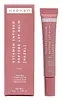
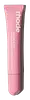
This anti-aging lip moisturizer is formulated around Squalane and Tripeptide-1 to soften the look of wrinkles and hydrate lips.


What's inside
What's inside
 Key Ingredients
Benefits
Concerns
Ingredients Side-by-side
Hydrogenated Polyisobutene
EmollientHelianthus Annuus Flower
Skin ConditioningOlive Oil PEG-7 Esters
Emollient




Synthetic Wax
Abrasive

Caprylic/Capric Triglyceride
Masking


Propylene Glycol
Humectant
Paraffin
Skin Conditioning
Squalane
Emollient
Polyurethane-79
Glycol Montanate
EmulsifyingTocotrienols
Skin Conditioning
Linoleic Acid
Cleansing


Tripeptide-1
Skin Conditioning
Hexapeptide-9
Skin Conditioning
Palmitoyl Tripeptide-5
Skin Conditioning
Palmitoyl Pentapeptide-4
Skin Conditioning
Palmitoyl Tetrapeptide-7
Skin Conditioning
Butyrospermum Parkii Butter
Skin Conditioning
Tapioca Starch
Vanillin
Masking
Caprylyl Glycol
Emollient
Sucralose
Skin ConditioningGlycerin
Humectant
Water
Skin ConditioningPolysorbate 20
Emulsifying
CI 77891
Cosmetic ColorantCI 77499
Cosmetic ColorantCI 77492
Cosmetic ColorantCI 45410
Cosmetic ColorantCI 45380
Cosmetic ColorantHydrogenated Polyisobutene, Helianthus Annuus Flower, Olive Oil PEG-7 Esters, Synthetic Wax, Caprylic/Capric Triglyceride, Propylene Glycol, Paraffin, Squalane, Polyurethane-79, Glycol Montanate, Tocotrienols, Linoleic Acid, Tripeptide-1, Hexapeptide-9, Palmitoyl Tripeptide-5, Palmitoyl Pentapeptide-4, Palmitoyl Tetrapeptide-7, Butyrospermum Parkii Butter, Tapioca Starch, Vanillin, Caprylyl Glycol, Sucralose, Glycerin, Water, Polysorbate 20, CI 77891, CI 77499, CI 77492, CI 45410, CI 45380
Hydrogenated Polyisobutene
EmollientDiisostearyl Malate
EmollientButyrospermum Parkii Butter
Skin Conditioning
Polybutene
Microcrystalline Wax
Emulsion StabilisingSynthetic Wax
Abrasive
Octyldodecanol
Emollient
Polyglyceryl-2 Triisostearate
Emulsifying
Hydrogenated Poly(C6-14 Olefin)
EmollientTocopherol
Antioxidant


Tocopheryl Acetate
Antioxidant
Tetrahexyldecyl Ascorbate
Antioxidant

Palmitoyl Tripeptide-1
Skin Conditioning
Orbignya Oleifera Seed Oil
Emollient
Theobroma Grandiflorum Seed Butter
Skin Conditioning
Lactic Acid
Buffering

Tribehenin
Emollient
Stevioside
MaskingPhytosteryl/Isostearyl/Cetyl/Stearyl/Behenyl Dimer Dilinoleate
Skin Conditioning
Ethylhexyl Palmitate
Emollient
Sorbitan Isostearate
Emulsifying
Synthetic Fluorphlogopite
Disteardimonium Hectorite
StabilisingCI 77891
Cosmetic ColorantCI 45410
Cosmetic ColorantCI 15850
Cosmetic ColorantCI 19140
Cosmetic ColorantCI 42090
Cosmetic ColorantHydrogenated Polyisobutene, Diisostearyl Malate, Butyrospermum Parkii Butter, Polybutene, Microcrystalline Wax, Synthetic Wax, Octyldodecanol, Polyglyceryl-2 Triisostearate, Hydrogenated Poly(C6-14 Olefin), Tocopherol, Tocopheryl Acetate, Tetrahexyldecyl Ascorbate, Palmitoyl Tripeptide-1, Orbignya Oleifera Seed Oil, Theobroma Grandiflorum Seed Butter, Lactic Acid, Tribehenin, Stevioside, Phytosteryl/Isostearyl/Cetyl/Stearyl/Behenyl Dimer Dilinoleate, Ethylhexyl Palmitate, Sorbitan Isostearate, Synthetic Fluorphlogopite, Disteardimonium Hectorite, CI 77891, CI 45410, CI 15850, CI 19140, CI 42090
Reviews
Ingredients Explained
These ingredients are found in both products.
Ingredients higher up in an ingredient list are typically present in a larger amount.
This ingredient is also known as shea butter. It is a plant-derived extract from the nuts of the Africa shea tree and one of the most well-studied emollients.
Because it has a high concentration of fatty acids (primarily oleic, stearic, and linoleic) it is able to form a protective barrier on the skin's surface. This helps seal in moisture and prevents transepidermal water loss (TEWL).
In vitro research found an increase in skin hydration by 58% and a decrease in TEWL by 37.8% after 24 hours of applying this ingredient (pretty impressive for a single ingredient!).
Besides hydration, shea butter also contains triterpenes that have anti-inflammatory potential. In particule, lupeol cinnamate has shown the highest anti-inflammatory activity in vivo.
Shea butter also contains vitamins A and E which may contribute to antioxidant activity.
While Shea Butter has an SPF rating of about 3-4, it is not a sunscreen replacement.
This ingredient may not be fungal acne safe because its fatty acids fall within the C11-C24 range that the Malassezia yeast can metabolize.
This ingredient shows up on a lot of "pore-clogging" lists but there's no real evidence behind that. It doesn't even have a comedogenic rating from an actual study; the numbers you'll find online come from blogs citing other blogs.
Ratings for other ingredients mostly come from a 1980s rabbit ear test. This test doesn't translate well to human skin or to real products because the ingredient sits at a much lower percentage.
Some people still find it breaks them out. So if that's you, definitely trust your skin. Just know this one's based on experience and not evidence.
Learn more about Butyrospermum Parkii ButterCI 45410 is a synthetic red-pigment and dye.
It often goes by both Red 28 or Red 27; manufacturers label both ingredients as CI 45410.
This dye is commonly found in makeup because it imparts a vivid color. Some types of this dye change color based on pH level and interaction with moisture:
Your skin has a natural pH of around 4.5 - 5.5.
According to the FDA, CI 45410 is not permitted for use in eye products.
Red 27 is a flourescein dye and commonly used as a fluorescent tracer in medicine.
Learn more about CI 45410Ci 77891 is a white pigment from Titanium dioxide. It is naturally found in minerals such as rutile and ilmenite.
It's main function is to add a white color to cosmetics. It can also be mixed with other colors to create different shades.
Ci 77891 is commonly found in sunscreens due to its ability to block UV rays.
Learn more about CI 77891Hydrogenated Polyisobutene is a synthetic polymer. Polymers are compounds with high molecular weight. Hydrogenated Polyisobutene is an emollient and texture enhancer.
In one study, Hydrogenated Polyisobutene showed better skin hydration levels than Caprylic/Capric Triglyceride. As an emollient, it helps keep your skin soft and hydrated by trapping moisture in.
Hydrogenated Polyisobutene is often used as a mineral oil replacement.
Learn more about Hydrogenated PolyisobuteneSynthetic Wax is a manufactured hydrocarbon wax. In formulas, it works as an occlusive emollient that helps reduce water loss and improves the spreadability of products.
Research comparing synthetic wax to traditional mineral-derived products found that formulas containing it perform as well for skin hydration.
It is considered non-comedogenic and vegan-friendly.
This ingredient has a well-established safety record by the CIR Expert Panel for Cosmetic Ingredient Safety.
Synthetic Waxes are straight/branched-chain hydrocarbons with no ester bond or fatty acids. That means there is nothing for the Malassezia yeast to feed on.
Learn more about Synthetic Wax

