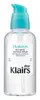
This hydrating serum is formulated around Glycyrrhiza Glabra Root Extract and Centella Asiatica Extract to hydrate skin and calm redness.
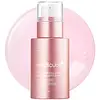
This anti-aging serum is formulated around Sodium DNA to soften the look of wrinkles.

What's inside
What's inside
 Key Ingredients
Benefits
Concerns
Ingredients Side-by-side
Water
Skin ConditioningButylene Glycol
Humectant

Dimethyl Sulfone
SolventBetaine
Humectant
Propanediol
Solvent
Disodium EDTA
Glycyrrhiza Glabra Root Extract
Bleaching



Centella Asiatica Extract
Cleansing

Arginine
Masking
Carbomer
Emulsion Stabilising1,2-Hexanediol
Skin Conditioning
Chlorphenesin
Antimicrobial
Tocopheryl Acetate
Antioxidant

PEG-60 Hydrogenated Castor Oil
Emulsifying


Paeonia Suffruticosa Root Extract
Skin ProtectingIllicium Verum Fruit Extract
Perfuming
Nelumbium Speciosum Flower Extract
Skin ConditioningCitrus Paradisi Fruit Extract
Skin ConditioningScutellaria Baicalensis Root Extract
Astringent
Glycerin
Humectant
Sodium Hyaluronate
Humectant
Panthenol
Skin Conditioning
Luffa Cylindrica Fruit/Leaf/Stem Extract
Skin ConditioningAloe Barbadensis Leaf Extract
Emollient
Althaea Rosea Flower Extract
Skin ConditioningPortulaca Oleracea Extract
Skin Conditioning
Polyquaternium-51
Skin Conditioning
Apium Graveolens Extract
Skin ConditioningBrassica Rapa Leaf Extract
Skin ConditioningOryza Sativa Bran Extract
Skin Conditioning
Brassica Oleracea Capitata Leaf Extract
Skin ConditioningDaucus Carota Sativa Root Extract
Skin Conditioning
Brassica Oleracea Italica Extract
AstringentSolanum Lycopersicum Fruit/Leaf/Stem Extract
AstringentBeta-Glucan
Skin Conditioning
Lysine Hcl
Skin Conditioning
Sodium Ascorbyl Phosphate
Antioxidant

Acetyl Methionine
Skin Conditioning
Theanine
EmollientProline
Skin Conditioning
Natto Gum
Water, Butylene Glycol, Dimethyl Sulfone, Betaine, Propanediol, Disodium EDTA, Glycyrrhiza Glabra Root Extract, Centella Asiatica Extract, Arginine, Carbomer, 1,2-Hexanediol, Chlorphenesin, Tocopheryl Acetate, PEG-60 Hydrogenated Castor Oil, Paeonia Suffruticosa Root Extract, Illicium Verum Fruit Extract, Nelumbium Speciosum Flower Extract, Citrus Paradisi Fruit Extract, Scutellaria Baicalensis Root Extract, Glycerin, Sodium Hyaluronate, Panthenol, Luffa Cylindrica Fruit/Leaf/Stem Extract, Aloe Barbadensis Leaf Extract, Althaea Rosea Flower Extract, Portulaca Oleracea Extract, Polyquaternium-51, Apium Graveolens Extract, Brassica Rapa Leaf Extract, Oryza Sativa Bran Extract, Brassica Oleracea Capitata Leaf Extract, Daucus Carota Sativa Root Extract, Brassica Oleracea Italica Extract, Solanum Lycopersicum Fruit/Leaf/Stem Extract, Beta-Glucan, Lysine Hcl, Sodium Ascorbyl Phosphate, Acetyl Methionine, Theanine, Proline, Natto Gum
Water
Skin ConditioningButylene Glycol
Humectant
Dipropylene Glycol
HumectantGlycerin
Humectant
Niacinamide
Smoothing


Sodium Polyacrylate
Absorbent
1,2-Hexanediol
Skin Conditioning
Caprylyl Glycol
Emollient
Cetearyl Olivate
Phenyl Trimethicone
Skin Conditioning
Sorbitan Olivate
Emulsifying
Hydrolyzed Sponge
Skin ConditioningGlyceryl Acrylate/Acrylic Acid Copolymer
HumectantEthylhexylglycerin
Skin ConditioningCalcium Aluminum Borosilicate
Adenosine
Skin Conditioning
Disodium EDTA
Pvm/Ma Copolymer
Emulsion StabilisingPanthenol
Skin Conditioning
Lactobacillus Extracellular Vesicles
Cyanocobalamin
Skin ConditioningSodium DNA
Skin Conditioning
Milk Exosomes
EmollientCollagen Extract
Skin Conditioning
Macadamia Ternifolia Seed Oil
Emollient
Caprylic/Capric Triglyceride
Masking
Alcohol
Antimicrobial



Hydrogenated Lecithin
Emulsifying
Polysorbate 20
Emulsifying
Retinol
Skin Conditioning
Chondrus Crispus Extract
Skin Conditioning
Cholesterol
Emollient
Sodium Hyaluronate
Humectant
Brassica Campestris Sterols
EmollientPolyglyceryl-10 Laurate
Skin Conditioning
Ceteth-3
EmulsifyingCeteth-5
EmulsifyingTocopheryl Acetate
Antioxidant
Hydrolyzed Elastin
EmollientPotassium Cetyl Phosphate
EmulsifyingHydroxypropyltrimonium Hyaluronate
Acetyl Tetrapeptide-5
Humectant
Palmitoyl Pentapeptide-4
Skin Conditioning
Sodium Acetylated Hyaluronate
Humectant
Hydrolyzed Hyaluronic Acid
Humectant
Palmitoyl Tripeptide-5
Skin Conditioning
Hyaluronic Acid
Humectant
Sodium Hyaluronate Crosspolymer
Humectant
Hydrolyzed Sodium Hyaluronate
Skin Conditioning
Potassium Hyaluronate
Skin ConditioningWater, Butylene Glycol, Dipropylene Glycol, Glycerin, Niacinamide, Sodium Polyacrylate, 1,2-Hexanediol, Caprylyl Glycol, Cetearyl Olivate, Phenyl Trimethicone, Sorbitan Olivate, Hydrolyzed Sponge, Glyceryl Acrylate/Acrylic Acid Copolymer, Ethylhexylglycerin, Calcium Aluminum Borosilicate, Adenosine, Disodium EDTA, Pvm/Ma Copolymer, Panthenol, Lactobacillus Extracellular Vesicles, Cyanocobalamin, Sodium DNA, Milk Exosomes, Collagen Extract, Macadamia Ternifolia Seed Oil, Caprylic/Capric Triglyceride, Alcohol, Hydrogenated Lecithin, Polysorbate 20, Retinol, Chondrus Crispus Extract, Cholesterol, Sodium Hyaluronate, Brassica Campestris Sterols, Polyglyceryl-10 Laurate, Ceteth-3, Ceteth-5, Tocopheryl Acetate, Hydrolyzed Elastin, Potassium Cetyl Phosphate, Hydroxypropyltrimonium Hyaluronate, Acetyl Tetrapeptide-5, Palmitoyl Pentapeptide-4, Sodium Acetylated Hyaluronate, Hydrolyzed Hyaluronic Acid, Palmitoyl Tripeptide-5, Hyaluronic Acid, Sodium Hyaluronate Crosspolymer, Hydrolyzed Sodium Hyaluronate, Potassium Hyaluronate
Reviews
Ingredients Explained
These ingredients are found in both products.
Ingredients higher up in an ingredient list are typically present in a larger amount.
1,2-Hexanediol is a synthetic liquid and another multi-functional powerhouse.
It is a:
- Humectant, drawing moisture into the skin
- Emollient, helping to soften skin
- Solvent, dispersing and stabilizing formulas
- Preservative booster, enhancing the antimicrobial activity of other preservatives
Butylene Glycol (or BG) is used within cosmetic products for a few different reasons:
Overall, Butylene Glycol is a safe and well-rounded ingredient that works well with other ingredients.
Though this ingredient works well with most skin types, some people with sensitive skin may experience a reaction such as allergic rashes, closed comedones, or itchiness.
Learn more about Butylene GlycolDisodium EDTA is a chelating agent. It grabs onto and deactivates metal ions that sneak into your products from water, packaging, or air.
This ingredient mainly works behind the scenes and helps with:
On top of that, this ingredient can counteract the effects of hard water by binding to the minerals in it.
One thing worth knowing is that Disodium EDTA has been shown to be a mild penetration enhancer. It can help other ingredients absorb into skin more effectively which can be a double-edged sword (great for actives, but can also make the active too strong if you have sensitive skin).
Clinical patch testing showed no significant skin irritation at typical use concentrations and minimal dermal absorption.
You'll most likely see this ingredient near the end of an ingredient list. It's typically found in concentrations less than 1%.
Learn more about Disodium EDTAGlycerin (or glycerol) is a compound naturally found in your skin. It's a powerhouse humectant that pulls water into the stratum corneum.
Topically, glycerin does several things at once:
Your skin makes glycerin on its own (mostly from sebaceous oil breakdown) and shuttles it to your outermost layer of skin, or your epidermis, via aquaporin-3.
Aquaporin-3 is a transporter that is essential for normal skin hydration, elasticity, and repair. Interestingly, mice lacking in AQP3 have dry and less elastic skin that can be fully corrected with glycerin.
This ingredient is non-irritating, plays well with almost every ingredient, and works across all skin types. Typical use is anywhere between 3-10% but can go up to 79% in some leave-on products.
Just know very high concentrations (>40%) can feel tacky in low humidity.
Glycerin is the name for this ingredient in American English. British English uses Glycerol/Glycerine.
Learn more about GlycerinPanthenol is a common ingredient that helps hydrate and soothe the skin. It is found naturally in our skin and hair.
There are two forms of panthenol: D and L.
D-panthenol is also known as dexpanthenol. Most cosmetics use dexpanthenol or a mixture of D and L-panthenol.
Panthenol is famous due to its ability to go deeper into the skin's layers. Using this ingredient has numerous pros (and no cons):
Like hyaluronic acid, panthenol is a humectant. Humectants are able to bind and hold large amounts of water to keep skin hydrated.
This ingredient works well for wound healing. It works by increasing tissue in the wound and helps close open wounds.
Once oxidized, panthenol converts to pantothenic acid. Panthothenic acid is found in all living cells.
This ingredient is also referred to as pro-vitamin B5.
Learn more about PanthenolSodium Hyaluronate is the salt form of hyaluronic acid. It is a long sugar chain that is naturally found in your skin, joints, and connective tissue that maintains hydration and elasticity.
In skincare, it works as a humectant. It pulls water from the environment and deeper layers of skin and binds it to the surface.
Interestingly, the size of the molecule affects its behavior:
Some clinical evidence links low molecular weight versions to improved wrinkle depth, elasticity, anti-inflammatory effects, and barrier repair.
Many serums use a blend of both weights so you can get surface hydration plus longer-lasting and deeper effects.
You'll typically see concentrations between 0.1-2% for this ingredient.
Learn more about Sodium HyaluronateTocopheryl Acetate is a stable, shelf-friendly form of vitamin E.
Formulators love it because plain vitamin E oxidizes quickly once it hits air. This acetate version stays stable and resists going off, helping to extend a product's shelf life.
It's actually inactive on its own and works like a slow-release "storage" form; the enzymes in your skin called esterases gradually convert it into active vitamin E over time.
One in vivo study showed 5% of the acetate in the living layer of the epidermis converted to vitamin E after 5 days of application. This study also found the skin gained protection against UV damage even though the conversion was slow and small.
Once converted, vitamin E acts as a skin's main fat-soluble antioxidant that fights free radicals to protect skin from damage.
Topical vitamin E generally boosts the skin's photoprotection, and it reduced UV-damage in animal models.
This ingredient has some brightening potential but it's more of a prevention ingredient than spot-fader. Cell studies show it can slow down melanin production but it's worth noting that it's not the most powerful brightener out there.
Overall, it has a pretty solid safety profile and has been found to be non-irritating and non-comedogenic. Allergic reactions may happen but stay rare due to how widely the ingredient gets used.
The concentration will vary depending on the formula; industry data shows 0.1% in baby lotions, 3% in lipsticks, and 5% in foot powders. You can also find this ingredient at 100% in a pure vitamin E oil.
Most leave-on skincare keeps it at the lower end, often between 0.5-1%.
Learn more about Tocopheryl AcetateWater. It's the most common cosmetic ingredient of all. You'll usually see it at the top of ingredient lists, meaning that it makes up the largest part of the product.
So why is it so popular? Water most often acts as a solvent - this means that it helps dissolve other ingredients into the formulation.
You'll also recognize water as that liquid we all need to stay alive. If you see this, drink a glass of water. Remember to stay hydrated!
Learn more about Water

