

What's inside
What's inside
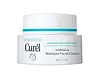 Key Ingredients
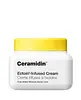
Benefits
Concerns
Ingredients Side-by-side
Water
Skin ConditioningGlycerin
Humectant



Cetyl-Pg Hydroxyethyl Palmitamide
Skin ConditioningTrisiloxane
Skin Conditioning
Dimethicone
Emollient
Hydrogenated Polydecene
EmollientPEG-3 Dimethicone
Skin Conditioning
Allantoin
Skin Conditioning

Magnesium Sulfate
Butylene Glycol
Humectant
Isostearyl Glyceryl Ether
Skin ConditioningPEG-12 Dimethicone
Skin Conditioning
Succinic Acid
BufferingSodium Hydroxide
BufferingEucalyptus Globulus Leaf Extract
Perfuming
Tocopherol
Antioxidant


Methylparaben
Preservative



Water, Glycerin, Cetyl-Pg Hydroxyethyl Palmitamide, Trisiloxane, Dimethicone, Hydrogenated Polydecene, PEG-3 Dimethicone, Allantoin, Magnesium Sulfate, Butylene Glycol, Isostearyl Glyceryl Ether, PEG-12 Dimethicone, Succinic Acid, Sodium Hydroxide, Eucalyptus Globulus Leaf Extract, Tocopherol, Methylparaben
Water
Skin ConditioningGlycerin
Humectant
Propanediol
Solvent
Butyrospermum Parkii Butter Extract
Skin Conditioning
Betaine
Humectant
Methylpropanediol
SolventHydrogenated Poly(C6-14 Olefin)
EmollientPentaerythrityl Distearate
Emulsifying
Caprylic/Capric Triglyceride
Masking
Dipropylene Glycol
HumectantDicaprylyl Ether
Emollient
Cetearyl Alcohol
Emollient


Cetearyl Glucoside
EmulsifyingPanthenol
Skin Conditioning
Ectoin
Skin Conditioning
Vinyldimethicone
Argania Spinosa Kernel Oil
Emollient
2,3-Butanediol
HumectantSodium Stearoyl Glutamate
Cleansing1,2-Hexanediol
Skin Conditioning
Glyceryl Stearate
Emollient
Spent Grain Wax
Skin Conditioning
Ceramide NP
Skin Conditioning
Ceramide Ng
Skin Conditioning
Ceramide AP
Skin Conditioning
Ceramide Ns
Skin Conditioning
Ceramide As
Skin Conditioning
Ethylhexylglycerin
Skin ConditioningSodium Hyaluronate
Humectant
Theobroma Cacao Seed Extract
Antioxidant
Pelargonium Graveolens Flower Oil
Masking

Olea Europaea Fruit Oil
Masking
Citrus Aurantium Bergamia Fruit Oil
Masking
Cholesterol
Emollient
Hydrogenated Lecithin
Emulsifying
Sodium Polyacrylate
Absorbent
Hydroxypropyl Starch Phosphate
Glyceryl Stearate Se
Emulsifying
Behenyl Alcohol
Emollient
Dextrin
AbsorbentSalvia Officinalis Oil
Masking
Citronellol
Perfuming
Hydroxyacetophenone
Antioxidant
Tocopherol
Antioxidant
CI 19140
Cosmetic ColorantWater, Glycerin, Propanediol, Butyrospermum Parkii Butter Extract, Betaine, Methylpropanediol, Hydrogenated Poly(C6-14 Olefin), Pentaerythrityl Distearate, Caprylic/Capric Triglyceride, Dipropylene Glycol, Dicaprylyl Ether, Cetearyl Alcohol, Cetearyl Glucoside, Panthenol, Ectoin, Vinyldimethicone, Argania Spinosa Kernel Oil, 2,3-Butanediol, Sodium Stearoyl Glutamate, 1,2-Hexanediol, Glyceryl Stearate, Spent Grain Wax, Ceramide NP, Ceramide Ng, Ceramide AP, Ceramide Ns, Ceramide As, Ethylhexylglycerin, Sodium Hyaluronate, Theobroma Cacao Seed Extract, Pelargonium Graveolens Flower Oil, Olea Europaea Fruit Oil, Citrus Aurantium Bergamia Fruit Oil, Cholesterol, Hydrogenated Lecithin, Sodium Polyacrylate, Hydroxypropyl Starch Phosphate, Glyceryl Stearate Se, Behenyl Alcohol, Dextrin, Salvia Officinalis Oil, Citronellol, Hydroxyacetophenone, Tocopherol, CI 19140
Reviews
Ingredients Explained
These ingredients are found in both products.
Ingredients higher up in an ingredient list are typically present in a larger amount.
Glycerin is already naturally found in your skin. It helps moisturize and protect your skin.
A study from 2016 found glycerin to be more effective as a humectant than AHAs and hyaluronic acid.
As a humectant, it helps the skin stay hydrated by pulling moisture to your skin. The low molecular weight of glycerin allows it to pull moisture into the deeper layers of your skin.
Hydrated skin improves your skin barrier; Your skin barrier helps protect against irritants and bacteria.
Glycerin has also been found to have antimicrobial and antiviral properties. Due to these properties, glycerin is often used in wound and burn treatments.
In cosmetics, glycerin is usually derived from plants such as soybean or palm. However, it can also be sourced from animals, such as tallow or animal fat.
This ingredient is organic, colorless, odorless, and non-toxic.
Glycerin is the name for this ingredient in American English. British English uses Glycerol/Glycerine.
Learn more about GlycerinTocopherol (also known as Vitamin E) is a common antioxidant used to help protect the skin from free-radicals and strengthen the skin barrier. It's also fat soluble - this means our skin is great at absorbing it.
Vitamin E also helps keep your natural skin lipids healthy. Your lipid skin barrier naturally consists of lipids, ceramides, and fatty acids. Vitamin E offers extra protection for your skin’s lipid barrier, keeping your skin healthy and nourished.
Another benefit is a bit of UV protection. Vitamin E helps reduce the damage caused by UVB rays. (It should not replace your sunscreen). Combining it with Vitamin C can decrease sunburned cells and hyperpigmentation after UV exposure.
You might have noticed Vitamin E + C often paired together. This is because it is great at stabilizing Vitamin C. Using the two together helps increase the effectiveness of both ingredients.
There are often claims that Vitamin E can reduce/prevent scarring, but these claims haven't been confirmed by scientific research.
Learn more about TocopherolWater. It's the most common cosmetic ingredient of all. You'll usually see it at the top of ingredient lists, meaning that it makes up the largest part of the product.
So why is it so popular? Water most often acts as a solvent - this means that it helps dissolve other ingredients into the formulation.
You'll also recognize water as that liquid we all need to stay alive. If you see this, drink a glass of water. Stay hydrated!
Learn more about Water
