Covergirl Clean Fresh Skincare Color Correcting Serum Moisturizer Primer Versus Hero Cosmetics Rescue Balm Color Correcting Green Cream

What's inside
What's inside
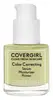 Key Ingredients
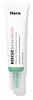
Benefits
Concerns
Ingredients Side-by-side
Water
Skin ConditioningDimethicone
Emollient

Dicaprylyl Carbonate
EmollientGlycerin
Humectant

Niacinamide
Smoothing









Propylene Glycol
Humectant

Bis-PEG/PPG-20/5 PEG/PPG-20/5 Dimethicone
Emulsifying
Methoxy PEG/PPG-25/4 Dimethicone
Emulsifying
Hydroxyethyl Acrylate/Sodium Acryloyldimethyl Taurate Copolymer
Emulsion StabilisingCaprylic/Capric Triglyceride
Masking
1,2-Hexanediol
Skin Conditioning
Caprylyl Glycol
Emollient
Hydroxyacetophenone
Antioxidant
Persea Gratissima Oil
Skin Conditioning

Hydrogenated Vegetable Oil
Emollient
Xanthan Gum
EmulsifyingDicaprylyl Ether
Emollient
Bisabolol
Antioxidant
Polysorbate 60
Emulsifying
Sorbitan Isostearate
Emulsifying
Triethoxycaprylylsilane
Trisodium Ethylenediamine Disuccinate
Tri (Polyglyceryl-3/Lauryl) Hydrogenated Trilinoleate
EmulsifyingCetyl PEG/PPG-10/1 Dimethicone
Emulsifying
Ceramide NP
Skin Conditioning
Sodium Hydroxide
BufferingTocopherol
Antioxidant
Pentaerythrityl Tetra-Di-T-Butyl Hydroxyhydrocinnamate
Antioxidant
Farnesol
Perfuming


CI 77891
Cosmetic ColorantCI 77491
Cosmetic ColorantCI 77492
Cosmetic ColorantCI 77499
Cosmetic ColorantCI 77007
Cosmetic ColorantWater, Dimethicone, Dicaprylyl Carbonate, Glycerin, Niacinamide, Propylene Glycol, Bis-PEG/PPG-20/5 PEG/PPG-20/5 Dimethicone, Methoxy PEG/PPG-25/4 Dimethicone, Hydroxyethyl Acrylate/Sodium Acryloyldimethyl Taurate Copolymer, Caprylic/Capric Triglyceride, 1,2-Hexanediol, Caprylyl Glycol, Hydroxyacetophenone, Persea Gratissima Oil, Hydrogenated Vegetable Oil, Xanthan Gum, Dicaprylyl Ether, Bisabolol, Polysorbate 60, Sorbitan Isostearate, Triethoxycaprylylsilane, Trisodium Ethylenediamine Disuccinate, Tri (Polyglyceryl-3/Lauryl) Hydrogenated Trilinoleate, Cetyl PEG/PPG-10/1 Dimethicone, Ceramide NP, Sodium Hydroxide, Tocopherol, Pentaerythrityl Tetra-Di-T-Butyl Hydroxyhydrocinnamate, Farnesol, CI 77891, CI 77491, CI 77492, CI 77499, CI 77007
Water
Skin ConditioningDipropylene Glycol
HumectantIsononyl Isononanoate
EmollientButylene Glycol
Humectant
Octyldodecanol
Emollient
Diethylhexyl Carbonate
EmollientButyloctyl Salicylate
Skin Conditioning

Butyrospermum Parkii Butter
Skin Conditioning
Polyglyceryl-3 Polyricinoleate
Emulsifying
Silica
Abrasive
Panthenol
Skin Conditioning
Sodium Chloride
MaskingDisteardimonium Hectorite
StabilisingMica
Cosmetic ColorantHydrogenated Poly(C6-14 Olefin)
EmollientHydrogenated Polydecene
EmollientHydrogenated Polyisobutene
EmollientPolyglyceryl-4 Diisostearate/Polyhydroxystearate/Sebacate
Emulsifying
Beta-Glucan
Skin Conditioning
Tocopheryl Acetate
Antioxidant
Spirulina Platensis Powder
Skin ProtectingTheobroma Cacao Fruit Powder
Skin ConditioningRh-Polypeptide-1
Skin Conditioning
Sh-Oligopeptide-1
Skin Conditioning
Sh-Oligopeptide-2
Skin Conditioning
Rh-Polypeptide-62
Skin Conditioning
Rh-Polypeptide-3
Skin Conditioning
Allantoin
Skin Conditioning
Glycerin
Humectant
Synthetic Beeswax
Emulsion Stabilising
Polyglyceryl-2 Triisostearate
Emulsifying
Propylene Carbonate
SolventSorbitan Isostearate
Emulsifying
Acrylates/Ammonium Methacrylate Copolymer
Xanthan Gum
EmulsifyingCaprylyl Glycol
Emollient
Triethoxycaprylylsilane
Diglycerin
Humectant
Aluminum Hydroxide
EmollientBoron Nitride
Absorbent
1,2-Hexanediol
Skin Conditioning
Sodium Benzoate
Masking
Potassium Sorbate
Preservative
Ethylhexylglycerin
Skin ConditioningCI 77891
Cosmetic ColorantCI 77491
Cosmetic ColorantCI 77492
Cosmetic ColorantCI 77499
Cosmetic ColorantCI 77288
Cosmetic ColorantWater, Dipropylene Glycol, Isononyl Isononanoate, Butylene Glycol, Octyldodecanol, Diethylhexyl Carbonate, Butyloctyl Salicylate, Butyrospermum Parkii Butter, Polyglyceryl-3 Polyricinoleate, Silica, Panthenol, Sodium Chloride, Disteardimonium Hectorite, Mica, Hydrogenated Poly(C6-14 Olefin), Hydrogenated Polydecene, Hydrogenated Polyisobutene, Polyglyceryl-4 Diisostearate/Polyhydroxystearate/Sebacate, Beta-Glucan, Tocopheryl Acetate, Spirulina Platensis Powder, Theobroma Cacao Fruit Powder, Rh-Polypeptide-1, Sh-Oligopeptide-1, Sh-Oligopeptide-2, Rh-Polypeptide-62, Rh-Polypeptide-3, Allantoin, Glycerin, Synthetic Beeswax, Polyglyceryl-2 Triisostearate, Propylene Carbonate, Sorbitan Isostearate, Acrylates/Ammonium Methacrylate Copolymer, Xanthan Gum, Caprylyl Glycol, Triethoxycaprylylsilane, Diglycerin, Aluminum Hydroxide, Boron Nitride, 1,2-Hexanediol, Sodium Benzoate, Potassium Sorbate, Ethylhexylglycerin, CI 77891, CI 77491, CI 77492, CI 77499, CI 77288
Reviews
Ingredients Explained
These ingredients are found in both products.
Ingredients higher up in an ingredient list are typically present in a larger amount.
1,2-Hexanediol is a synthetic liquid and another multi-functional powerhouse.
It is a:
- Humectant, drawing moisture into the skin
- Emollient, helping to soften skin
- Solvent, dispersing and stabilizing formulas
- Preservative booster, enhancing the antimicrobial activity of other preservatives
Caprylyl Glycol is a humectant, skin conditioner, emollient, and preservative booster derived from either caprylic acid or synthetically created.
Typical use levels vary from 0.3-1% as a preservative booster and go up to 2% to condition skin.
Because it is not a free-fatty acid, this ingredient is fungal acne safe (there's nothing for Malassezia to feed on).
Learn more about Caprylyl GlycolCi 77491 is also hydrated iron III oxide. It's sole purpose is to give a red/pink hue to products.
Iron III oxides are classified as inorganic chemicals for coloring.
Synthetically created Ci 77491 is considered safer than those naturally found. This is because the synthetically created version may contain less impurities. Iron oxides are generally non-toxic and non-allergenic.
Learn more about CI 77491CI 77492 is also hydrated iron III oxide. It's sole purpose is to give a yellow hue to products.
Iron III oxides are classified as inorganic chemicals for coloring.
Synthetically created CI 77492 is considered safer than those naturally found. This is because the synthetically created version may contain less impurities. Iron oxides are generally non-toxic and non-allergenic.
Learn more about CI 77492Ci 77499 is also hydrated iron III oxide. It is created from mixing red and black iron oxides. This helps give shades of darkness to a product.
Iron III oxides are classified as inorganic chemicals for coloring.
Ci 77891 is a white pigment from Titanium dioxide. It is naturally found in minerals such as rutile and ilmenite.
It's main function is to add a white color to cosmetics. It can also be mixed with other colors to create different shades.
Ci 77891 is commonly found in sunscreens due to its ability to block UV rays.
Learn more about CI 77891Glycerin (or glycerol) is a compound naturally found in your skin. It's a powerhouse humectant that pulls water into the stratum corneum.
Topically, glycerin does several things at once:
Your skin makes glycerin on its own (mostly from sebaceous oil breakdown) and shuttles it to your outermost layer of skin, or your epidermis, via aquaporin-3.
Aquaporin-3 is a transporter that is essential for normal skin hydration, elasticity, and repair. Interestingly, mice lacking in AQP3 have dry and less elastic skin that can be fully corrected with glycerin.
This ingredient is non-irritating, plays well with almost every ingredient, and works across all skin types. Typical use is anywhere between 3-10% but can go up to 79% in some leave-on products.
Just know very high concentrations (>40%) can feel tacky in low humidity.
Glycerin is the name for this ingredient in American English. British English uses Glycerol/Glycerine.
Learn more about GlycerinSorbitan Isostearate is an emulsifer. It is created from isostearic acid and sorbitol.
As an emulsifier, it keeps the water and oil ingredients from separating. This keeps formulas stable and smooth.
In a 24 hour occlusive patch test on 56 subjects, 10% sorbitan isostearate was completely non-irritating. Most formulas use less than 10%.
Because it's a fatty acid ester, it may not be fungal acne safe since the Malassezia yeast can utilize it as a nutrient source.
Learn more about Sorbitan IsostearateTriethoxycaprylylsilane is a silicon-based surface modifier that makes sunscreens feel silky and makeup stay put.
Its main job is to coat mineral particles like titanium dioxide, zinc oxide, and color pigments in a thin, oily layer so they spread smoothly, don't clump, and stick to skin better.
This ingredient is typically used at low levels (up to 2.5% in eyeshadow and 1% in lipstick).
Learn more about TriethoxycaprylylsilaneWater. It's the most common cosmetic ingredient of all. You'll usually see it at the top of ingredient lists, meaning that it makes up the largest part of the product.
So why is it so popular? Water most often acts as a solvent - this means that it helps dissolve other ingredients into the formulation.
You'll also recognize water as that liquid we all need to stay alive. If you see this, drink a glass of water. Remember to stay hydrated!
Learn more about WaterXanthan gum is used as a stabilizer and thickener within cosmetic products. It helps give products a sticky, thick feeling - preventing them from being too runny.
On the technical side of things, xanthan gum is a polysaccharide - a combination consisting of multiple sugar molecules bonded together.
Xanthan gum is a pretty common and great ingredient. It is a natural, non-toxic, non-irritating ingredient that is also commonly used in food products.
Learn more about Xanthan Gum

