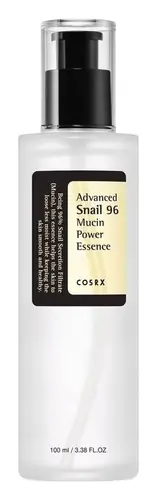
This wash off mask is made with Niacinamide and Sodium DNA for a rinse-off smoothing boost.
This wash off mask is made with Simmondsia Chinensis Seed Oil and Collagen Extract for a rinse-off barrier-support boost.


What's inside
What's inside
 Key Ingredients
Benefits
Concerns
Ingredients Side-by-side
Water
Skin ConditioningPolyvinyl Alcohol
Octyldodecanol
Emollient
Methylpropanediol
SolventButylene Glycol
Humectant

Niacinamide
Smoothing










Caprylic/Capric Triglyceride
Masking
1,2-Hexanediol
Skin Conditioning
Algin
MaskingPolysorbate 80
Emulsifying

Pentaerythrityl Tetraethylhexanoate
Emollient
Pullulan
Simmondsia Chinensis Seed Oil
Emollient
Polyglyceryl-10 Oleate
Skin Conditioning
Glyceryl Stearate
Emollient
PEG-100 Stearate
Surfactant
Titanium Dioxide
Cosmetic Colorant

Disteardimonium Hectorite
StabilisingSynthetic Fluorphlogopite
Mica
Cosmetic ColorantMicrocrystalline Cellulose
AbsorbentEthylhexylglycerin
Skin ConditioningSphingomonas Ferment Extract
Skin Conditioning
Adenosine
Skin Conditioning
Cellulose Gum
Emulsion StabilisingSodium Phytate
ChelatingSodium DNA
Skin Conditioning
Tin Oxide
Abrasive
Glutathione
Acetyl Glucosamine
Skin Conditioning
Allantoin
Skin Conditioning
Panthenol
Skin Conditioning
Hydrolyzed Collagen
Emollient
Gluconolactone
Chelating
Mannitol
Humectant
Centella Asiatica Leaf Extract
Skin Conditioning
Glycerin
Humectant
Lactobacillus Extracellular Vesicles
Hydrated Silica
Abrasive
Citric Acid
Buffering
Sodium Hyaluronate
Humectant
Caprylyl Glycol
Emollient
Acetyl Hexapeptide-8
Humectant
Water, Polyvinyl Alcohol, Octyldodecanol, Methylpropanediol, Butylene Glycol, Niacinamide, Caprylic/Capric Triglyceride, 1,2-Hexanediol, Algin, Polysorbate 80, Pentaerythrityl Tetraethylhexanoate, Pullulan, Simmondsia Chinensis Seed Oil, Polyglyceryl-10 Oleate, Glyceryl Stearate, PEG-100 Stearate, Titanium Dioxide, Disteardimonium Hectorite, Synthetic Fluorphlogopite, Mica, Microcrystalline Cellulose, Ethylhexylglycerin, Sphingomonas Ferment Extract, Adenosine, Cellulose Gum, Sodium Phytate, Sodium DNA, Tin Oxide, Glutathione, Acetyl Glucosamine, Allantoin, Panthenol, Hydrolyzed Collagen, Gluconolactone, Mannitol, Centella Asiatica Leaf Extract, Glycerin, Lactobacillus Extracellular Vesicles, Hydrated Silica, Citric Acid, Sodium Hyaluronate, Caprylyl Glycol, Acetyl Hexapeptide-8
Water
Skin ConditioningSimmondsia Chinensis Seed Oil
Emollient
Methylpropanediol
SolventPolyvinyl Alcohol
Caprylic/Capric Triglyceride
Masking
1,2-Hexanediol
Skin Conditioning
Algin
MaskingPolysorbate 60
Emulsifying
Centella Asiatica Leaf Water
Skin Conditioning
Polyglyceryl-10 Oleate
Skin Conditioning
Cellulose Gum
Emulsion StabilisingSodium Polystyrene Sulfonate
Emulsion StabilisingGlyceryl Stearate
Emollient
Stearalkonium Hectorite
Gel FormingPEG-100 Stearate
Surfactant
Collagen Extract
Skin Conditioning
Propylene Carbonate
SolventEthylhexylglycerin
Skin ConditioningSodium Phytate
ChelatingAstaxanthin
Skin Conditioning
Cyanocobalamin
Skin ConditioningCeramide NP
Skin Conditioning
Cholesterol
Emollient
Hydrogenated Lecithin
Emulsifying
Phytosphingosine
Skin Conditioning
Oleic Acid
Emollient


Stearic Acid
Cleansing
Lactic Acid
Buffering
Caprylyl Glycol
Emollient
Caprylhydroxamic Acid
ChelatingGlycerin
Humectant
Tocopherol
Antioxidant

Water, Simmondsia Chinensis Seed Oil, Methylpropanediol, Polyvinyl Alcohol, Caprylic/Capric Triglyceride, 1,2-Hexanediol, Algin, Polysorbate 60, Centella Asiatica Leaf Water, Polyglyceryl-10 Oleate, Cellulose Gum, Sodium Polystyrene Sulfonate, Glyceryl Stearate, Stearalkonium Hectorite, PEG-100 Stearate, Collagen Extract, Propylene Carbonate, Ethylhexylglycerin, Sodium Phytate, Astaxanthin, Cyanocobalamin, Ceramide NP, Cholesterol, Hydrogenated Lecithin, Phytosphingosine, Oleic Acid, Stearic Acid, Lactic Acid, Caprylyl Glycol, Caprylhydroxamic Acid, Glycerin, Tocopherol
Reviews
Ingredients Explained
These ingredients are found in both products.
Ingredients higher up in an ingredient list are typically present in a larger amount.
1,2-Hexanediol is a synthetic liquid and another multi-functional powerhouse.
It is a:
- Humectant, drawing moisture into the skin
- Emollient, helping to soften skin
- Solvent, dispersing and stabilizing formulas
- Preservative booster, enhancing the antimicrobial activity of other preservatives
Algin is the sodium salt of alginic acid, a sugar-based polymer pulled out of brown seaweed.
In cosmetics, it's a workhorse thickener, binder, and film former rather than an active; it's mostly there for texture and slip.
Industry survey data collected by the Cosmetic Ingredient Review put its maximum reported use at 50% in paste masks and mud packs with reported use going all the way down to 0.001% in aerosol products. Most formulas sit at the low end since a little goes a long way as a thickener.
Allergy-wise, this ingredient is about as low-risk as it gets topically:
The "algae causes acne" idea comes from three places that got tangled together:
None of that transfers to a purified polysaccharide like algin. Clogged pores are a lipid problem where an ingredient has to get into the follicle and mix with sebum to form a comedone. Algin is a big, water-loving sugar chain that does neither; it gels and then sits on the surface as a film until it's rinsed off.
Learn more about AlginCaprylic/Capric Triglyceride (aka MCT Oil) is a lightweight emollient, solvent, and texture enhancer. It is considered a skin-softener by helping to prevent moisture loss.
Though it behaves like an oil, it is not technically one due to its chemical composition. One perk of this ingredient is that it is very stable, resistant to oxidation, and unlikely to go rancid.
In practice, that translates to a long shelf life and a consistently elegant skin feel.
While there is an assumption Caprylic Triglyceride can clog pores due to it being derived from coconut oil, there is no research supporting this. Just patch test if you have concerns.
Fractionated coconut oil and MCT Oil are both listed as Caprylic/Capric Triglyceride according to INCI. This is because INCI names are based on the ingredient’s final chemical composition and not its marketing name or source.
This ingredient is treated as the gold standard fungal acne safe oil. Even though it is coconut derived, the problematic lauric acid is stripped out.
This leaves just caprylic (C8) and capric (C10) acid. These chain lengths actually trend antifungal; a 2020 study found caprylic acid was enough to disrupt Malassezia furfur cell membrane, with a caprylic acid derivative damaging membrane structures at concentrations as low as 0.2%.
Learn more about Caprylic/Capric TriglycerideCaprylyl Glycol is a humectant, skin conditioner, emollient, and preservative booster derived from either caprylic acid or synthetically created.
Typical use levels vary from 0.3-1% as a preservative booster and go up to 2% to condition skin.
Because it is not a free-fatty acid, this ingredient is fungal acne safe (there's nothing for Malassezia to feed on).
Learn more about Caprylyl GlycolCellulose Gum is a water-soluble polymer that comes from cellulose. It is used to change the texture of a product and to help stabilize emulsions.
As an emulsifier, cellulose gum specifically thicken the texture of water-based products.
This ingredient is considered hypoallergenic and non-toxic. Cellulose Gum can be found in cosmetics, food, and other household goods such as paper products.
Learn more about Cellulose GumEthylhexylglycerin is created from glycerin. It is a multitasker ingredient that:
The CIR Expert Panel found minimal skin absorption or sensitization of any kind in a safety assessment. Though this ingredient is considered well-tolerated, a small number of cases of allergic dermatitis have been published since 2002. Just be sure to patch test if you are unsure.
Industry-reported use ranges from 8% in rinse-off products and 2% in leave-on formulations.
Learn more about EthylhexylglycerinGlycerin (or glycerol) is a compound naturally found in your skin. It's a powerhouse humectant that pulls water into the stratum corneum.
Topically, glycerin does several things at once:
Your skin makes glycerin on its own (mostly from sebaceous oil breakdown) and shuttles it to your outermost layer of skin, or your epidermis, via aquaporin-3.
Aquaporin-3 is a transporter that is essential for normal skin hydration, elasticity, and repair. Interestingly, mice lacking in AQP3 have dry and less elastic skin that can be fully corrected with glycerin.
This ingredient is non-irritating, plays well with almost every ingredient, and works across all skin types. Typical use is anywhere between 3-10% but can go up to 79% in some leave-on products.
Just know very high concentrations (>40%) can feel tacky in low humidity.
Glycerin is the name for this ingredient in American English. British English uses Glycerol/Glycerine.
Learn more about GlycerinGlyceryl Stearate is made by reacting glycerin with stearic acid (typically sourced from plant oils like palm or coconut). It's an emulsifier, emollient, and mild occlusive.
Emulsifiers help ingredients like oil and water stay mixed so your formula stays nicely blended and uniform in texture.
This ingredient is typically used in concentrations between 1-10%. Studies have found it to be non-sensitizing, non-phototoxic, and non-photoallergenic.
A close cousin of this ingredient is Glyceryl Stearate SE ("self-emulsifying"). This just has a small amount of sodium or potassium stearate added so it can emulsify without a co-emulsifier.
Since this ingredient is an ester of a C18 fatty acid, it may not be fungal acne safe. The Malassezia yeast can potentially metabolize within the C11-C24 range.
Fun fact: The human body also creates Glyceryl Stearate naturally.
Learn more about Glyceryl StearateMethylpropanediol is a synthetic solvent and humectant.
As a solvent, it helps dissolve other ingredients, helping to evenly distribute ingredients throughout the product. This ingredient has also been shown to have antimicrobial properties which makes it a preservative booster.
Methylpropanediol is able to add a bit of moisture to the skin. It also helps other ingredients be better absorbed into the skin, such as salicylic acid.
Learn more about MethylpropanediolPeg-100 Stearate is an emollient and emulsifier. As an emollient, it helps keep skin soft by trapping moisture in. On the other hand, emulsifiers help prevent oil and water from separating in a product.
PEGS are a hydrophilic polyether compound . There are 100 ethylene oxide monomers in Peg-100 Stearate. Peg-100 Stearate is polyethylene glycol ester of stearic acid.
Polyglyceryl-10 Oleate is made by combining ten units of glycerin with oleic acid.
According to a manufacturer, it is a low-irritation and hydrophilic (water loving) skin conditioning agent. It also improves the sensory feel and texture of a product.
Fungal acne note:
Since this ingredient is made from oleic acid, it might not be fungal acne safe. The Malassezia yeast survives by eating certain fats, including oleic acid.
However, it should be noted this oleic acid is chemically bound to a large polyglycerol molecule, so it might not trigger fungal acne for everyone.
Learn more about Polyglyceryl-10 OleateWe don't have a description for Polyvinyl Alcohol yet.
Jojoba oil is one of the most well-studied plant-derived ingredients in cosmetics. It is an emollient with a special structure.
Because it is made up of 97-98% wax esters, it closely mirrors the linear monoesters found in human sebum. This makes it skin compatible, non-greasy, and lightweight.
Unlike other plant oils, jojoba wax doesn't easily penetrate skin. It mostly works in the uppermost layers as an emollient. This just means it forms a light barrier on the skin to help retain moisture.
Formulations with jojoba esters up to 90% reduced transepidermal water loss (TEWL) and increased barrier recovery by 81% (outperforming bisabolol at 47%).
Besides barrier support, the science also suggests jojoba to have anti-inflammatory effects and potential applications for skin infections, aging, and wound healing.
Fun fact: Indigenous cultures have used jojoba as a moisturizer and to help treat burns for centuries.
Fungal acne: The Malassezia yeast is known to metabolize fatty acids in the C11-24 range and jojoba's dominant fatty acid components fall into this range. This ingredient may not be fungal acne safe.
Learn more about Simmondsia Chinensis Seed OilSodium Phytate is the sodium salt of Phytic acid, a compound that plants store phosphorus in. It's the plant-derived alternative to ingredients like Disodium EDTA.
In skincare, this ingredient is a chelator that grabs onto trace metal ions like iron and copper that sneak into formulas through water/raw materials.
Those metals speed up oxidation so binding them keeps oils, fragrance, and actives from going off, stops color changes, and helps the preservative system work harder.
Survey data shows usage levels range from 0.0099%-0.5% in leave-on products, 0.025%-0.3% in rinse-off, and up to 0.05% in eye-area products. Suppliers typically recommend a range between 0.05-0.5%.
Learn more about Sodium PhytateWater. It's the most common cosmetic ingredient of all. You'll usually see it at the top of ingredient lists, meaning that it makes up the largest part of the product.
So why is it so popular? Water most often acts as a solvent - this means that it helps dissolve other ingredients into the formulation.
You'll also recognize water as that liquid we all need to stay alive. If you see this, drink a glass of water. Remember to stay hydrated!
Learn more about Water