COSRX One Step Original Blemish Pore Clear Pad Versus Kiehl's Vital Skin-Strengthening Hyaluronic Acid Super Serum
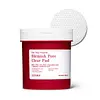
This acne toner pad uses a pre-saturated pad with Salix Alba Bark Water and Betaine Salicylate to clear breakouts and refine the look of pores.
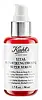
This hydrating serum is formulated around Schisandra Chinensis Fruit Extract and Panax Ginseng Root Extract to hydrate skin.


What's inside
What's inside
 Key Ingredients
Benefits
Concerns
Ingredients Side-by-side
Salix Alba Bark Water
Astringent
Butylene Glycol
Humectant

Glycerin
Humectant
1,2-Hexanediol
Skin Conditioning
Betaine Salicylate
Antimicrobial





PEG-60 Hydrogenated Castor Oil
Emulsifying

Ethyl Hexanediol
SolventPanthenol
Skin Conditioning
Sodium Hydroxide
BufferingAllantoin
Skin Conditioning
Limonene
Perfuming


Adenosine
Skin Conditioning
Melaleuca Alternifolia Leaf Oil
Antioxidant

Water
Skin ConditioningArginine
Masking
Pantothenic Acid
Skin ConditioningCitrus Aurantium Dulcis Peel Oil
Masking
Sodium Hyaluronate
Humectant
Gluconolactone
Skin Conditioning


Zinc PCA
Humectant
Pentylene Glycol
Skin Conditioning
Madecassoside
Antioxidant
Capryloyl Salicylic Acid
Exfoliating

Sodium Hyaluronate Crosspolymer
Humectant
Hydrolyzed Hyaluronic Acid
Humectant
Hyaluronic Acid
Humectant
Ethylhexylglycerin
Skin ConditioningHydrolyzed Sodium Hyaluronate
Skin Conditioning
Salix Alba Bark Water, Butylene Glycol, Glycerin, 1,2-Hexanediol, Betaine Salicylate, PEG-60 Hydrogenated Castor Oil, Ethyl Hexanediol, Panthenol, Sodium Hydroxide, Allantoin, Limonene, Adenosine, Melaleuca Alternifolia Leaf Oil, Water, Arginine, Pantothenic Acid, Citrus Aurantium Dulcis Peel Oil, Sodium Hyaluronate, Gluconolactone, Zinc PCA, Pentylene Glycol, Madecassoside, Capryloyl Salicylic Acid, Sodium Hyaluronate Crosspolymer, Hydrolyzed Hyaluronic Acid, Hyaluronic Acid, Ethylhexylglycerin, Hydrolyzed Sodium Hyaluronate
Water
Skin ConditioningDimethicone
Emollient
Glycerin
Humectant
Alcohol Denat.
Antimicrobial

Hamamelis Virginiana Water
Astringent
Propanediol
Solvent
Phenoxyethanol
Preservative
Tocopherol
Antioxidant
Ammonium Polyacryloyldimethyl Taurate
Emulsion StabilisingSchisandra Chinensis Fruit Extract
Skin Conditioning
Capryloyl Salicylic Acid
Exfoliating
Caprylyl Glycol
Emollient
Xanthan Gum
EmulsifyingPEG-60 Hydrogenated Castor Oil
Emulsifying
Panax Ginseng Root Extract
Emollient
Sodium Acetylated Hyaluronate
Humectant
PEG-20 Methyl Glucose Sesquistearate
Emulsifying
Disodium EDTA
Ocimum Sanctum Leaf Extract
Skin ConditioningCitrus Aurantium Dulcis Peel Oil
Masking
Limonene
Perfuming
Adenosine
Skin Conditioning
Sodium Hydroxide
BufferingMethyldihydrojasmonate
MaskingCitric Acid
Buffering
Eugenol
Perfuming
Sodium Benzoate
Masking
Pelargonium Graveolens Flower Oil
Masking
Citral
Perfuming
Potassium Sorbate
Preservative
Lavandula Angustifolia Oil
Masking
Cymbopogon Schoenanthus Oil
Masking
Citronellol
Perfuming
Linalool
Perfuming
Geraniol
Perfuming
Rosmarinus Officinalis Leaf Oil
Masking
Water, Dimethicone, Glycerin, Alcohol Denat., Hamamelis Virginiana Water, Propanediol, Phenoxyethanol, Tocopherol, Ammonium Polyacryloyldimethyl Taurate, Schisandra Chinensis Fruit Extract, Capryloyl Salicylic Acid, Caprylyl Glycol, Xanthan Gum, PEG-60 Hydrogenated Castor Oil, Panax Ginseng Root Extract, Sodium Acetylated Hyaluronate, PEG-20 Methyl Glucose Sesquistearate, Disodium EDTA, Ocimum Sanctum Leaf Extract, Citrus Aurantium Dulcis Peel Oil, Limonene, Adenosine, Sodium Hydroxide, Methyldihydrojasmonate, Citric Acid, Eugenol, Sodium Benzoate, Pelargonium Graveolens Flower Oil, Citral, Potassium Sorbate, Lavandula Angustifolia Oil, Cymbopogon Schoenanthus Oil, Citronellol, Linalool, Geraniol, Rosmarinus Officinalis Leaf Oil
Ingredients Explained
These ingredients are found in both products.
Ingredients higher up in an ingredient list are typically present in a larger amount.
Adenosine is a purine nucleoside that your body already makes in every cell. In skincare, it acts mainly as a skin conditioning and anti-aging agent.
The way it works is fairly well mapped out:
Your skin has cells called fibroblasts that build collagen (the stuff that keeps skin firm and smooth). Adenosine basically flips a switch on these cells that tells them to get to work making more collagen and other proteins. These cells slow down on their own as skin ages, so Adenosine helps give them a little nudge to keep going.
The clinical backing is pretty solid too.
A blind, randomized, placebo-controlled trial of 126 women aged 45-65 tested a 0.1% cream twice daily and found real improvements in crow's feet and frown lines using a precise 3D skin-mapping technique; these changes showed up by week 3 and held at 2 months.
A later study using Adenosine-loaded dissolving microneedle patches reported gains in wrinkle depth, dermal density, elasticity, and hydration.
On concentrations, South Korea's Ministry of Food and Drug Safety has set 0.04% as the approved functional anti-wrinkle level. You'll typically see this ingredient used somewhere in the 0.04-0.1% range since it works at low doses.
This ingredient has been found safe for cosmetics with the data showing no irritation or sensitization.
Overall, this is a great ingredient for any anti-aging routine and has no photosensitizing effect, so it suits both AM and PM use.
Learn more about AdenosineCapryloyl Salicylic Acid comes from salicylic acid, the famous acne-fighting BHA.
It usually goes by a more common name of LHA, or lipohydroxy acid.
Like salicylic acid, this ingredient is a chemical exfoliant that can help break down the oil in your pores and reduce inflammation.
Though studies for LHA do show it to be less effective than salicylic acid. To be fair, salicylic acid is the reigning monarch of acne treatments.
However, a study from 2009 found LHA to be comparable to BPO, making it a good alternative for people with sensitive skin. Another study of 14 patients found a significant decrease in comedones after using LHA.
Another pro of LHA? It is less irritating than salicylic acid due to its large molecule size.
Large molecules cannot penetrate skin as well, so they are gentler on the skin. LHA is much less penetrative than salicylic acid.
An in-vitro study (not done on a living organism) found only 6% of LHA penetrated past the statum corneum compared to 58% of salicylic acid. An in-vivo (done on a living organism) analysis revealed ~17% of LHA was still present in the top layer of skin after 4 days, versus ~9% of salicylic acid.
Interestingly, a study from 2008 found LHA comparable to another famous acid, glycolic acid.
This study found about 10% of LHA is as effective as 20-50% of glycolic acid in treating hyperpigmentation and fine-lines.
Hydroxy acids have been found to stimulate skin protein, lipids, and thermal thickening. This may have anti-aging benefits.
Learn more about Capryloyl Salicylic AcidCitrus Aurantium Dulcis Peel Oil is oil from the peel of an orange fruit.
Limonene and linalool make up the majority of oils from citrus peels. Limonene has a "citrus" fragrance. Citrus peels also contain flavonoids, which have anti-inflammatory properties.
Citrus peel is also a rich source of flavonoids. Flavonoids are natural antioxidants and help protect your skin against damage. Flavonoids are a group of compounds naturally found in vegetables and fruits.
The term 'fragrance' is not regulated in many countries. In many cases, it is up to the brand to define this term. For instance, many brands choose to label themselves as "fragrance-free" because they are not using synthetic fragrances. However, their products may still contain ingredients such as essential oils that are considered a fragrance.
Learn more about Citrus Aurantium Dulcis Peel OilGlycerin (or glycerol) is a compound naturally found in your skin. It's a powerhouse humectant that pulls water into the stratum corneum.
Topically, glycerin does several things at once:
Your skin makes glycerin on its own (mostly from sebaceous oil breakdown) and shuttles it to your outermost layer of skin, or your epidermis, via aquaporin-3.
Aquaporin-3 is a transporter that is essential for normal skin hydration, elasticity, and repair. Interestingly, mice lacking in AQP3 have dry and less elastic skin that can be fully corrected with glycerin.
This ingredient is non-irritating, plays well with almost every ingredient, and works across all skin types. Typical use is anywhere between 3-10% but can go up to 79% in some leave-on products.
Just know very high concentrations (>40%) can feel tacky in low humidity.
Glycerin is the name for this ingredient in American English. British English uses Glycerol/Glycerine.
Learn more about GlycerinLimonene is a fragrance that adds scent and taste to a formulation.
It's found in the peel oil of citrus fruits and other plants such as lavender and eucalyptus. The scent of limonene is generally described as "sweet citrus".
Limonene acts as an antioxidant, meaning it helps neutralize free radicals.
When exposed to air, oxidized limonene may sensitize the skin. Because of this, limonene is often avoided by people with sensitive skin.
The term 'fragrance' is not regulated in many countries. In many cases, it is up to the brand to define this term. For instance, many brands choose to label themselves as "fragrance-free" because they are not using synthetic fragrances. However, their products may still contain ingredients such as essential oils that are considered a fragrance.
Learn more about LimonenePeg-60 Hydrogenated Castor Oil comes from hydrogenated castor oil. It is a solubilizer and emulsifier.
As a solubilizer, it helps dissolve ingredients into a water-based version. It is also an emulsifer. Emulsifier help prevent oils and water from separating. Both these properties help create evenly-spread and uniform products.
Basically, Peg-60 Hydrogenated Castor Oil helps hold ingredients together.
Learn more about PEG-60 Hydrogenated Castor OilSodium Hydroxide is also known as lye or caustic soda. It is used to adjust the pH of products; many ingredients require a specific pH to be effective.
In small amounts, sodium hydroxide is considered safe to use. However, large amounts may cause chemical burns due to its high alkaline.
Your skin has a natural pH and acid mantle. This acid mantle helps prevent harmful bacteria from breaking through. The acid mantle also helps keep your skin hydrated.
"Alkaline" refers to a high pH level. A low pH level would be considered acidic.
Learn more about Sodium HydroxideWater. It's the most common cosmetic ingredient of all. You'll usually see it at the top of ingredient lists, meaning that it makes up the largest part of the product.
So why is it so popular? Water most often acts as a solvent - this means that it helps dissolve other ingredients into the formulation.
You'll also recognize water as that liquid we all need to stay alive. If you see this, drink a glass of water. Remember to stay hydrated!
Learn more about Water

