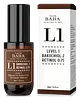
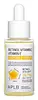
Cos De BAHA L1 Bakuchiol 2% + Retinol 0.15% Serum Versus APLB Retinol Vitamin C Vitamin E Ampoule Serum
This anti-aging serum is formulated around Bakuchiol and Niacinamide to soften the look of wrinkles and refine skin texture.
This anti-aging serum is formulated around Centella Asiatica Extract and Retinol to soften the look of wrinkles and refine skin texture.

What's inside
What's inside
 Key Ingredients
Benefits
Concerns
Ingredients Side-by-side
Aloe Barbadensis Leaf
Masking


Propanediol
Solvent
Glycereth-26
Humectant
Isononyl Isononanoate
EmollientGlycerin
Humectant
Bakuchiol
Antimicrobial






Niacinamide
Smoothing


1,2-Hexanediol
Skin Conditioning
Cetearyl Olivate


Sorbitan Olivate
Emulsifying
Retinal
Skin Conditioning

Panthenol
Skin Conditioning
Sodium Hyaluronate
Humectant
Adenosine
Skin Conditioning
Allantoin
Skin Conditioning
Carbomer
Emulsion StabilisingXanthan Gum
EmulsifyingCetearyl Alcohol
Emollient




Tocopheryl Acetate
Antioxidant
Tromethamine
BufferingDimethicone
Emollient
Polysorbate 20
Emulsifying
Disodium EDTA
ChelatingRosa Damascena Callus
Antimicrobial
Lavandula Angustifolia Flower
Skin Conditioning
Camellia Sinensis Leaf
Perfuming
Melissa Officinalis Leaf Extract
Skin ConditioningArtemisia Vulgaris Extract
Skin Conditioning
Aloe Barbadensis Leaf, Propanediol, Glycereth-26, Isononyl Isononanoate, Glycerin, Bakuchiol, Niacinamide, 1,2-Hexanediol, Cetearyl Olivate, Sorbitan Olivate, Retinal, Panthenol, Sodium Hyaluronate, Adenosine, Allantoin, Carbomer, Xanthan Gum, Cetearyl Alcohol, Tocopheryl Acetate, Tromethamine, Dimethicone, Polysorbate 20, Disodium EDTA, Rosa Damascena Callus, Lavandula Angustifolia Flower, Camellia Sinensis Leaf, Melissa Officinalis Leaf Extract, Artemisia Vulgaris Extract
Water
Skin ConditioningCentella Asiatica Extract 28.1%
Cleansing
Butylene Glycol
Humectant
Propanediol
Solvent
Glycerin
Humectant
Diethoxyethyl Succinate
SolventSolanum Melongena Fruit Extract
Skin ConditioningMelaleuca Alternifolia Leaf Extract
Perfuming
Hydrolyzed Collagen
Emollient
Beta-Glucan
Skin Conditioning
Hippophae Rhamnoides Fruit Extract
Skin Conditioning
Nelumbo Nucifera Extract
Skin ConditioningArtemisia Annua Extract
Masking
Oryza Sativa Extract
Absorbent
Saccharomyces Ferment
Skin Conditioning
Retinol
Skin Conditioning
Glycine Soja Oil
Emollient
BHT
Antioxidant
Tocopheryl Acetate
Antioxidant
Ascorbic Acid
Antioxidant
Sodium Citrate
BufferingMadecassic Acid
Skin Conditioning
Asiaticoside
Antioxidant
Asiatic Acid
Skin Conditioning
Squalane
Emollient
Dipropylene Glycol
Humectant1,2-Hexanediol
Skin Conditioning
Panthenol
Skin Conditioning
Sodium Polyacryloyldimethyl Taurate
Emulsion StabilisingHydroxyacetophenone
Antioxidant
Sodium Hyaluronate
Humectant
Allantoin
Skin Conditioning
Trideceth-10
CleansingCellulose Gum
Emulsion StabilisingDisodium EDTA
ChelatingGlyceryl Acrylate/Acrylic Acid Copolymer
HumectantCitric Acid
Buffering
Gardenia Florida Fruit Extract
Skin ConditioningXanthan Gum
EmulsifyingInulin
Skin Conditioning
Cellulose
Absorbent
Glucose
Humectant
Fructose
Humectant
Dipotassium Glycyrrhizate
Humectant
Dextrin
AbsorbentWater, Centella Asiatica Extract 28.1%, Butylene Glycol, Propanediol, Glycerin, Diethoxyethyl Succinate, Solanum Melongena Fruit Extract, Melaleuca Alternifolia Leaf Extract, Hydrolyzed Collagen, Beta-Glucan, Hippophae Rhamnoides Fruit Extract, Nelumbo Nucifera Extract, Artemisia Annua Extract, Oryza Sativa Extract, Saccharomyces Ferment, Retinol, Glycine Soja Oil, BHT, Tocopheryl Acetate, Ascorbic Acid, Sodium Citrate, Madecassic Acid, Asiaticoside, Asiatic Acid, Squalane, Dipropylene Glycol, 1,2-Hexanediol, Panthenol, Sodium Polyacryloyldimethyl Taurate, Hydroxyacetophenone, Sodium Hyaluronate, Allantoin, Trideceth-10, Cellulose Gum, Disodium EDTA, Glyceryl Acrylate/Acrylic Acid Copolymer, Citric Acid, Gardenia Florida Fruit Extract, Xanthan Gum, Inulin, Cellulose, Glucose, Fructose, Dipotassium Glycyrrhizate, Dextrin
Reviews
Ingredients Explained
These ingredients are found in both products.
Ingredients higher up in an ingredient list are typically present in a larger amount.
1,2-Hexanediol is a synthetic liquid and another multi-functional powerhouse.
It is a:
- Humectant, drawing moisture into the skin
- Emollient, helping to soften skin
- Solvent, dispersing and stabilizing formulas
- Preservative booster, enhancing the antimicrobial activity of other preservatives
Allantoin is a soothing ingredient known for its protective and moisturizing properties; it's basically a quiet workhorse ingredient you can find in a huge range of cosmetics.
Though it can be derived from the comfrey plant, allantoin is produced synthetically for cosmetic products to ensure purity.
Research shows it can encourage your skin cells to turn over and renew by stimulating keratinocyte and fibroblast proliferation.
It also has mild keratolytic properties to help loosen and shed dead skin cells without being harsh.
Studies also suggest allantoin can help calm inflammation by dialing down some of the chemical signals your skin sends out when it is irritated.
This ingredient is typically used in the 0.1-0.5% range, and the FDA recognizes it as a skin protectant in OTC products up to 2%.
Overall, allantoin is a wonderful addition to most routines; it is stable across a wide pH range (~4-8), works well with other ingredients, and is considered non-sensitizing/non-irritating.
Fun fact: Allantoin is naturally occurring in comfrey root, beets, chamomile, and wheat sprouts. Our bodies even produce it as a byproduct of uric acid metabolism.
Learn more about AllantoinDisodium EDTA is a chelating agent. It grabs onto and deactivates metal ions that sneak into your products from water, packaging, or air.
This ingredient mainly works behind the scenes and helps with:
On top of that, this ingredient can counteract the effects of hard water by binding to the minerals in it.
One thing worth knowing is that Disodium EDTA has been shown to be a mild penetration enhancer. It can help other ingredients absorb into skin more effectively which can be a double-edged sword (great for actives, but can also make the active too strong if you have sensitive skin).
Clinical patch testing showed no significant skin irritation at typical use concentrations and minimal dermal absorption.
You'll most likely see this ingredient near the end of an ingredient list. It's typically found in concentrations less than 1%.
Learn more about Disodium EDTAGlycerin (or glycerol) is a compound naturally found in your skin. It's a powerhouse humectant that pulls water into the stratum corneum.
Topically, glycerin does several things at once:
Your skin makes glycerin on its own (mostly from sebaceous oil breakdown) and shuttles it to your outermost layer of skin, or your epidermis, via aquaporin-3.
Aquaporin-3 is a transporter that is essential for normal skin hydration, elasticity, and repair. Interestingly, mice lacking in AQP3 have dry and less elastic skin that can be fully corrected with glycerin.
This ingredient is non-irritating, plays well with almost every ingredient, and works across all skin types. Typical use is anywhere between 3-10% but can go up to 79% in some leave-on products.
Just know very high concentrations (>40%) can feel tacky in low humidity.
Glycerin is the name for this ingredient in American English. British English uses Glycerol/Glycerine.
Learn more about GlycerinPanthenol is a common ingredient that helps hydrate and soothe the skin. It is found naturally in our skin and hair.
There are two forms of panthenol: D and L.
D-panthenol is also known as dexpanthenol. Most cosmetics use dexpanthenol or a mixture of D and L-panthenol.
Panthenol is famous due to its ability to go deeper into the skin's layers. Using this ingredient has numerous pros (and no cons):
Like hyaluronic acid, panthenol is a humectant. Humectants are able to bind and hold large amounts of water to keep skin hydrated.
This ingredient works well for wound healing. It works by increasing tissue in the wound and helps close open wounds.
Once oxidized, panthenol converts to pantothenic acid. Panthothenic acid is found in all living cells.
This ingredient is also referred to as pro-vitamin B5.
Learn more about PanthenolPropanediol is an all-star ingredient. It softens, hydrates, and smooths the skin.
It’s often used to:
Propanediol is not likely to cause sensitivity and considered safe to use. It is derived from corn or petroleum with a clear color and no scent.
Learn more about PropanediolSodium Hyaluronate is the salt form of hyaluronic acid. It is a long sugar chain that is naturally found in your skin, joints, and connective tissue that maintains hydration and elasticity.
In skincare, it works as a humectant. It pulls water from the environment and deeper layers of skin and binds it to the surface.
Interestingly, the size of the molecule affects its behavior:
Some clinical evidence links low molecular weight versions to improved wrinkle depth, elasticity, anti-inflammatory effects, and barrier repair.
Many serums use a blend of both weights so you can get surface hydration plus longer-lasting and deeper effects.
You'll typically see concentrations between 0.1-2% for this ingredient.
Learn more about Sodium HyaluronateTocopheryl Acetate is a stable, shelf-friendly form of vitamin E.
Formulators love it because plain vitamin E oxidizes quickly once it hits air. This acetate version stays stable and resists going off, helping to extend a product's shelf life.
It's actually inactive on its own and works like a slow-release "storage" form; the enzymes in your skin called esterases gradually convert it into active vitamin E over time.
One in vivo study showed 5% of the acetate in the living layer of the epidermis converted to vitamin E after 5 days of application. This study also found the skin gained protection against UV damage even though the conversion was slow and small.
Once converted, vitamin E acts as a skin's main fat-soluble antioxidant that fights free radicals to protect skin from damage.
Topical vitamin E generally boosts the skin's photoprotection, and it reduced UV-damage in animal models.
This ingredient has some brightening potential but it's more of a prevention ingredient than spot-fader. Cell studies show it can slow down melanin production but it's worth noting that it's not the most powerful brightener out there.
Overall, it has a pretty solid safety profile and has been found to be non-irritating and non-comedogenic. Allergic reactions may happen but stay rare due to how widely the ingredient gets used.
The concentration will vary depending on the formula; industry data shows 0.1% in baby lotions, 3% in lipsticks, and 5% in foot powders. You can also find this ingredient at 100% in a pure vitamin E oil.
Most leave-on skincare keeps it at the lower end, often between 0.5-1%.
Learn more about Tocopheryl AcetateXanthan gum is used as a stabilizer and thickener within cosmetic products. It helps give products a sticky, thick feeling - preventing them from being too runny.
On the technical side of things, xanthan gum is a polysaccharide - a combination consisting of multiple sugar molecules bonded together.
Xanthan gum is a pretty common and great ingredient. It is a natural, non-toxic, non-irritating ingredient that is also commonly used in food products.
Learn more about Xanthan Gum

