
What's inside
What's inside
 Key Ingredients
Benefits
Concerns
Ingredients Side-by-side
Zinc Oxide 10%
Cosmetic Colorant


Water
Skin ConditioningC12-15 Alkyl Benzoate
AntimicrobialButyloctyl Salicylate
Skin Conditioning
Caprylic/Capric Triglyceride
Masking


Caprylyl Methicone
Skin Conditioning
Isododecane
EmollientPolyglyceryl-3 Polyricinoleate
Emulsifying
Polymethylsilsesquioxane
Propanediol
Solvent
Tridecyl Salicylate
Skin ConditioningC13-15 Alkane
SolventPolyglyceryl-3 Diisostearate
Emulsifying

Silica
Abrasive

Maltodextrin
Absorbent
Polyglyceryl-4 Diisostearate/Polyhydroxystearate/Sebacate
Emulsifying
Sodium Chloride
MaskingDisteardimonium Hectorite
StabilisingPhenoxyethanol
Preservative
Bisabolol
Antioxidant



Lecithin
Emollient
Ethylhexylglycerin
Skin ConditioningAllantoin
Skin Conditioning
Tremella Fuciformis Sporocarp Extract
Antioxidant
Dimethylmethoxy Chromanol
Antioxidant
Caprylyl Glycol
Emollient
Hexylene Glycol
EmulsifyingCaesalpinia Spinosa Fruit Pod Extract
Tetrasodium Glutamate Diacetate
Helianthus Annuus Sprout Extract
Skin ConditioningLauryl PEG-8 Dimethicone
Surfactant
Lauryl PEG-10 Tris(Trimethylsiloxy)Silylethyl Dimethicone
Emulsifying
Sodium Hydroxide
BufferingSodium Benzoate
Masking
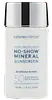
Zinc Oxide 10%, Water, C12-15 Alkyl Benzoate, Butyloctyl Salicylate, Caprylic/Capric Triglyceride, Caprylyl Methicone, Isododecane, Polyglyceryl-3 Polyricinoleate, Polymethylsilsesquioxane, Propanediol, Tridecyl Salicylate, C13-15 Alkane, Polyglyceryl-3 Diisostearate, Silica, Maltodextrin, Polyglyceryl-4 Diisostearate/Polyhydroxystearate/Sebacate, Sodium Chloride, Disteardimonium Hectorite, Phenoxyethanol, Bisabolol, Lecithin, Ethylhexylglycerin, Allantoin, Tremella Fuciformis Sporocarp Extract, Dimethylmethoxy Chromanol, Caprylyl Glycol, Hexylene Glycol, Caesalpinia Spinosa Fruit Pod Extract, Tetrasodium Glutamate Diacetate, Helianthus Annuus Sprout Extract, Lauryl PEG-8 Dimethicone, Lauryl PEG-10 Tris(Trimethylsiloxy)Silylethyl Dimethicone, Sodium Hydroxide, Sodium Benzoate
Water
Skin ConditioningC12-15 Alkyl Benzoate
AntimicrobialGlycerin
Humectant
Caprylic/Capric Triglyceride
Masking
Tocopherol
Antioxidant



Sorbitan Stearate
Emulsifying
Pentylene Glycol
Skin Conditioning
Polyhydroxystearic Acid
Emulsifying
Tribehenin
Emollient
Polyurethane-62
Ethylhexylglycerin
Skin ConditioningPolyglyceryl-4 Isostearate
Emulsifying
Hexyl Laurate
Emollient
Cetyl PEG/PPG-10/1 Dimethicone
Emulsifying
Butylene Glycol
Humectant
Xanthan Gum
EmulsifyingAluminum Stearate
Cosmetic ColorantPanthenyl Triacetate
Propylene Glycol
Humectant

Ethyl Linoleate
Emollient
Asiaticoside
Antioxidant
Asiatic Acid
Skin Conditioning
Madecassic Acid
Skin Conditioning
Alumina
Abrasive
Olea Europaea Leaf Extract
Perfuming
Sorbitol/Sebacic Acid Copolymer Behenate
Skin ConditioningMagnesium Aluminum Silicate
Absorbent
Trideceth-6
EmulsifyingPhenoxyethanol
Preservative
Oleyl Alcohol
Emollient
Aloe Barbadensis Leaf Juice
Skin Conditioning
Isostearic Acid
Cleansing
Disodium EDTA
Polyquaternium-7
Iron Oxides
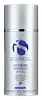
Water, C12-15 Alkyl Benzoate, Glycerin, Caprylic/Capric Triglyceride, Tocopherol, Sorbitan Stearate, Pentylene Glycol, Polyhydroxystearic Acid, Tribehenin, Polyurethane-62, Ethylhexylglycerin, Polyglyceryl-4 Isostearate, Hexyl Laurate, Cetyl PEG/PPG-10/1 Dimethicone, Butylene Glycol, Xanthan Gum, Aluminum Stearate, Panthenyl Triacetate, Propylene Glycol, Ethyl Linoleate, Asiaticoside, Asiatic Acid, Madecassic Acid, Alumina, Olea Europaea Leaf Extract, Sorbitol/Sebacic Acid Copolymer Behenate, Magnesium Aluminum Silicate, Trideceth-6, Phenoxyethanol, Oleyl Alcohol, Aloe Barbadensis Leaf Juice, Isostearic Acid, Disodium EDTA, Polyquaternium-7, Iron Oxides
Ingredients Explained
These ingredients are found in both products.
Ingredients higher up in an ingredient list are typically present in a larger amount.
C12-15 Alkyl Benzoate is made up of Benzoic Acid and long chain alcohols. It has a low molecular weight.
C12-15 Alkyl Benzoate is an emollient and texture enhancer. Due to its solubility, it is often used in sunscreens to help evenly distribute active ingredients.
As an emollient, C12-15 Alkyl Benzoate helps soften and hydrate your skin. Emollients create a film on your skin that traps moisture within.
This ingredient has been reported to cause eye irritation.
Learn more about C12-15 Alkyl BenzoateCaprylic/Capric Triglyceride (aka MCT Oil) is a lightweight emollient, solvent, and texture enhancer. It is considered a skin-softener by helping to prevent moisture loss.
Though it behaves like an oil, it is not technically one due to its chemical composition. One perk of this ingredient is that it is very stable, resistant to oxidation, and unlikely to go rancid.
In practice, that translates to a long shelf life and a consistently elegant skin feel.
While there is an assumption Caprylic Triglyceride can clog pores due to it being derived from coconut oil, there is no research supporting this. Just patch test if you have concerns.
Fractionated coconut oil and MCT Oil are both listed as Caprylic/Capric Triglyceride according to INCI. This is because INCI names are based on the ingredient’s final chemical composition and not its marketing name or source.
This ingredient is treated as the gold standard fungal acne safe oil. Even though it is coconut derived, the problematic lauric acid is stripped out.
This leaves just caprylic (C8) and capric (C10) acid. These chain lengths actually trend antifungal; a 2020 study found caprylic acid was enough to disrupt Malassezia furfur cell membrane, with a caprylic acid derivative damaging membrane structures at concentrations as low as 0.2%.
Learn more about Caprylic/Capric TriglycerideEthylhexylglycerin is created from glycerin. It is a multitasker ingredient that:
The CIR Expert Panel found minimal skin absorption or sensitization of any kind in a safety assessment. Though this ingredient is considered well-tolerated, a small number of cases of allergic dermatitis have been published since 2002. Just be sure to patch test if you are unsure.
Industry-reported use ranges from 8% in rinse-off products and 2% in leave-on formulations.
Learn more about EthylhexylglycerinPhenoxyethanol is a preservative that has germicide, antimicrobial, and aromatic properties. Studies show that phenoxyethanol can prevent microbial growth. By itself, it has a scent that is similar to that of a rose.
It's often used in formulations along with Caprylyl Glycol to preserve the shelf life of products.
Water. It's the most common cosmetic ingredient of all. You'll usually see it at the top of ingredient lists, meaning that it makes up the largest part of the product.
So why is it so popular? Water most often acts as a solvent - this means that it helps dissolve other ingredients into the formulation.
You'll also recognize water as that liquid we all need to stay alive. If you see this, drink a glass of water. Remember to stay hydrated!
Learn more about Water
