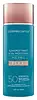
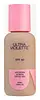
Colorescience Sunforgettable Total Protection Face Shield Flex SPF 50 Versus Ultra Violette Daydream Screen SPF 50 Tinted Veil
This hybrid sunscreen covers the full UV range and blocks ~98% of UVB at SPF 50.
This chemical sunscreen covers the full UV range and blocks ~98% of UVB at SPF 50.


What's inside
What's inside
 Key Ingredients
Benefits
Concerns
Ingredients Side-by-side
Zinc Oxide 12%
Cosmetic Colorant


Water
Skin ConditioningC12-15 Alkyl Benzoate
AntimicrobialButyloctyl Salicylate
Skin Conditioning
Lauryl PEG-8 Dimethicone
Surfactant
Isododecane
EmollientPropanediol
Solvent

Caprylyl Methicone
Skin Conditioning
Dimethicone
Emollient
Niacinamide
Smoothing








Tridecyl Salicylate
Skin Conditioning
Dimethicone/Vinyl Dimethicone Crosspolymer
Skin Conditioning
Trilaureth-4 Phosphate
EmulsifyingDimethiconol
Emollient
Lauryl PEG-10 Tris(Trimethylsiloxy)Silylethyl Dimethicone
Emulsifying
Mica
Cosmetic ColorantPolyester-1
Maltodextrin
Absorbent
Sodium Chloride
MaskingBisabolol
Antioxidant
Disodium Lauriminodipropionate Tocopheryl Phosphates
CleansingEthylhexylglycerin
Skin ConditioningTremella Fuciformis Sporocarp Extract
Antioxidant
Allantoin
Skin Conditioning
Silica Dimethyl Silylate
EmollientCaprylyl Glycol
Emollient
Isoceteth-10
EmulsifyingZein
Skin ConditioningHexylene Glycol
EmulsifyingDimethylmethoxy Chromanol
Antioxidant
Synthetic Fluorphlogopite
Zea Mays Starch
Absorbent
Silica
Abrasive
Caesalpinia Spinosa Fruit Pod Extract
Hydrogenated Lecithin
Emulsifying
Tetrasodium Glutamate Diacetate
ChelatingCaprylic/Capric Triglyceride
Masking
Helianthus Annuus Sprout Extract
Skin ConditioningPhenoxyethanol
Preservative
Sodium Benzoate
Masking
Benzoic Acid
Masking
Dehydroacetic Acid
Preservative
Sodium Hydroxide
BufferingSodium Myristoyl Glutamate
CleansingAluminum Hydroxide
EmollientCI 77891
Cosmetic ColorantIron Oxides
Zinc Oxide 12%, Water, C12-15 Alkyl Benzoate, Butyloctyl Salicylate, Lauryl PEG-8 Dimethicone, Isododecane, Propanediol, Caprylyl Methicone, Dimethicone, Niacinamide, Tridecyl Salicylate, Dimethicone/Vinyl Dimethicone Crosspolymer, Trilaureth-4 Phosphate, Dimethiconol, Lauryl PEG-10 Tris(Trimethylsiloxy)Silylethyl Dimethicone, Mica, Polyester-1, Maltodextrin, Sodium Chloride, Bisabolol, Disodium Lauriminodipropionate Tocopheryl Phosphates, Ethylhexylglycerin, Tremella Fuciformis Sporocarp Extract, Allantoin, Silica Dimethyl Silylate, Caprylyl Glycol, Isoceteth-10, Zein, Hexylene Glycol, Dimethylmethoxy Chromanol, Synthetic Fluorphlogopite, Zea Mays Starch, Silica, Caesalpinia Spinosa Fruit Pod Extract, Hydrogenated Lecithin, Tetrasodium Glutamate Diacetate, Caprylic/Capric Triglyceride, Helianthus Annuus Sprout Extract, Phenoxyethanol, Sodium Benzoate, Benzoic Acid, Dehydroacetic Acid, Sodium Hydroxide, Sodium Myristoyl Glutamate, Aluminum Hydroxide, CI 77891, Iron Oxides
Water
Skin ConditioningHomosalate
Skin Conditioning
Octyldodecanol
Emollient
Dicaprylyl Ether
Emollient
Methylene Bis-Benzotriazolyl Tetramethylbutylphenol
UV Filter
Bis-Ethylhexyloxyphenol Methoxyphenyl Triazine
UV Absorber
Propanediol
Solvent
Dicaprylyl Carbonate
EmollientCetyl Alcohol
Emollient

Ethylhexyl Triazone
UV Absorber
Glycerin
Humectant
Polyglyceryl-2 Dipolyhydroxystearate
Skin Conditioning
Lauryl Glucoside
CleansingOryza Sativa Bran Wax
Skin Conditioning
Microcrystalline Cellulose
AbsorbentPoly C10-30 Alkyl Acrylate
Emulsion StabilisingHydroxyacetophenone
Antioxidant
Decyl Glucoside
Cleansing
Saccharide Isomerate
Humectant
Cellulose Gum
Emulsion StabilisingPolyhydroxystearic Acid
Emulsifying
Ethylhexylglycerin
Skin ConditioningSodium Lauroyl Sarcosinate
CleansingPropylene Glycol
Humectant
Disodium EDTA
ChelatingXanthan Gum
EmulsifyingPhenoxyethanol
Preservative
Sodium Citrate
BufferingCitric Acid
Buffering
CI 77891
Cosmetic ColorantIron Oxides
Water, Homosalate, Octyldodecanol, Dicaprylyl Ether, Methylene Bis-Benzotriazolyl Tetramethylbutylphenol, Bis-Ethylhexyloxyphenol Methoxyphenyl Triazine, Propanediol, Dicaprylyl Carbonate, Cetyl Alcohol, Ethylhexyl Triazone, Glycerin, Polyglyceryl-2 Dipolyhydroxystearate, Lauryl Glucoside, Oryza Sativa Bran Wax, Microcrystalline Cellulose, Poly C10-30 Alkyl Acrylate, Hydroxyacetophenone, Decyl Glucoside, Saccharide Isomerate, Cellulose Gum, Polyhydroxystearic Acid, Ethylhexylglycerin, Sodium Lauroyl Sarcosinate, Propylene Glycol, Disodium EDTA, Xanthan Gum, Phenoxyethanol, Sodium Citrate, Citric Acid, CI 77891, Iron Oxides
Reviews
Ingredients Explained
These ingredients are found in both products.
Ingredients higher up in an ingredient list are typically present in a larger amount.
Ci 77891 is a white pigment from Titanium dioxide. It is naturally found in minerals such as rutile and ilmenite.
It's main function is to add a white color to cosmetics. It can also be mixed with other colors to create different shades.
Ci 77891 is commonly found in sunscreens due to its ability to block UV rays.
Learn more about CI 77891Ethylhexylglycerin is created from glycerin. It is a multitasker ingredient that:
The CIR Expert Panel found minimal skin absorption or sensitization of any kind in a safety assessment. Though this ingredient is considered well-tolerated, a small number of cases of allergic dermatitis have been published since 2002. Just be sure to patch test if you are unsure.
Industry-reported use ranges from 8% in rinse-off products and 2% in leave-on formulations.
Learn more about EthylhexylglycerinPhenoxyethanol is one of the most widely used preservatives in skincare (and for good reason!).
It has a large spectrum of antimicrobial activity and especially effective bacteria, yeast, and mold while only having a weak effect on your skin's natural microbiome.
On a cellular level, it disrupts the cell membranes of microbes by poking holes that make the cell leak. This shuts down the chemical reactions the microbe needs to make energy so it can no longer survive.
Another perk of this ingredient is that it stays functional across a wide pH range (3-10).
You'll often see it paired with boosters like Ethylhexylglycerin; one study showed that a 1:9 ratio of Ethylhexylglycerin to Phenoxyethanol damages bacterial membranes as effectively as doubling the Phenoxyethanol concentration on its own.
Typical use concentrations range from 0.3-1% depending on the formula, and this ingredient is capped at 1% int the EU.
Safety-wise, the fear mongering does not hold up to the evidence. The EU's Scientific Committee on Consumer Safety and FDA consider it safe as a preservative at up to 1%, including for children of all ages.
Adverse systemic effects only showed up in animal studies at exposures roughly 200x higher than what people get from cosmetics. And despite its very widespread use, this ingredient is a rare sensitizer and allergic reactions are uncommon.
Learn more about PhenoxyethanolPropanediol is an all-star ingredient. It softens, hydrates, and smooths the skin.
It’s often used to:
Propanediol is not likely to cause sensitivity and considered safe to use. It is derived from corn or petroleum with a clear color and no scent.
Learn more about PropanediolWater. It's the most common cosmetic ingredient of all. You'll usually see it at the top of ingredient lists, meaning that it makes up the largest part of the product.
So why is it so popular? Water most often acts as a solvent - this means that it helps dissolve other ingredients into the formulation.
You'll also recognize water as that liquid we all need to stay alive. If you see this, drink a glass of water. Remember to stay hydrated!
Learn more about WaterThis ingredient is a combination of red, black, and yellow iron oxide pigments. This combination of colors is usually found in foundation, because it results in a "skin" color.
The EU typically uses CI numbers for colorants when applicable, such as CI 77489. In the US, iron oxides are regulated as color additives and "iron oxides" is the most commonly used name in US cosmetic practice.
A 2021 paper looked at skincare formulations containing iron oxides and found that they reduced transmission of blue light when measured optically. In simple terms, the pigment particles helped block or scatter part of the visible light spectrum in lab testing and the authors suggest this could translate into better protection against blue-light-related skin effects.
There is also clinical and experimental research showing that tinted products containing iron oxides can reduce visible light-induced pigmentation:
Please note, whether a product reduces visible or blue light depends on things like:
In the EU's CosIng database, iron oxides are only listed as a colorant. CosIng groups ingredients by their main cosmetic role, such as colorant, preservative, or UV filter.
Though studies say iron oxides can "attenuate blue light", they're describing an optical property and not an officially recognized cosmetic function.
So CosIng isn’t contradicting the research. It’s just classifying iron oxides by what they officially are: pigments that add color.
Learn more about Iron Oxides

