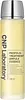
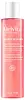
CNP Laboratory Propolis Treatment Ampoule Essence Versus Melvita Extraordinary Water Hydra-Plumping Essence
This barrier-repair essence is formulated around Panthenol and Niacinamide to strengthen the skin barrier and calm redness.
This hydrating essence is formulated around Rosa Damascena Flower Water and Rosa Rubiginosa Seed Oil to hydrate skin and strengthen the skin barrier.


What's inside
What's inside
 Key Ingredients
Benefits
Concerns
Ingredients Side-by-side
Water
Skin ConditioningButylene Glycol
Humectant

Dipropylene Glycol
HumectantGlycereth-26
Humectant
1,2-Hexanediol
Skin Conditioning
Methyl Gluceth-20
Humectant
Panthenol
Skin Conditioning


Glycerin
Humectant
Betaine
Humectant
Sophora Angustifolia Root Extract
Skin ConditioningHydrogenated Lecithin
Emulsifying
PEG/PPG-17/6 Copolymer
SolventSucrose Stearate
EmollientCetearyl Alcohol
Emollient






Niacinamide
Smoothing







Propolis Extract
Skin Conditioning
Serine
Masking
Cholesterol
Emollient
Acrylates/C10-30 Alkyl Acrylate Crosspolymer
Emulsion StabilisingTromethamine
BufferingCeramide NP
Skin Conditioning
Tocopherol
Antioxidant

Polyquaternium-51
Skin Conditioning
Lauryl Dimethicone/Polyglycerin-3 Crosspolymer
Cleansing
Polymethylsilsesquioxane
Hydroxyethylcellulose
Emulsion StabilisingGlycine Soja Oil
Emollient
Linoleic Acid
Cleansing
Palmitic Acid
Emollient
Pelargonium Graveolens Flower Oil
Masking



Dextrin
AbsorbentTheobroma Cacao Seed Extract
Antioxidant
Coptis Japonica Root Extract
Skin ConditioningHoney Extract
Humectant
Houttuynia Cordata Extract
Skin Conditioning
Ginkgo Biloba Nut Extract
Skin ConditioningSodium Hyaluronate
Humectant
Madecassoside
Antioxidant
Citronellol
Perfuming
Geraniol
Perfuming
Linalool
Perfuming
Water, Butylene Glycol, Dipropylene Glycol, Glycereth-26, 1,2-Hexanediol, Methyl Gluceth-20, Panthenol, Glycerin, Betaine, Sophora Angustifolia Root Extract, Hydrogenated Lecithin, PEG/PPG-17/6 Copolymer, Sucrose Stearate, Cetearyl Alcohol, Niacinamide, Propolis Extract, Serine, Cholesterol, Acrylates/C10-30 Alkyl Acrylate Crosspolymer, Tromethamine, Ceramide NP, Tocopherol, Polyquaternium-51, Lauryl Dimethicone/Polyglycerin-3 Crosspolymer, Polymethylsilsesquioxane, Hydroxyethylcellulose, Glycine Soja Oil, Linoleic Acid, Palmitic Acid, Pelargonium Graveolens Flower Oil, Dextrin, Theobroma Cacao Seed Extract, Coptis Japonica Root Extract, Honey Extract, Houttuynia Cordata Extract, Ginkgo Biloba Nut Extract, Sodium Hyaluronate, Madecassoside, Citronellol, Geraniol, Linalool
Water
Skin ConditioningRosa Damascena Flower Water
Masking
Glycerin
Humectant
Alcohol Denat.
Antimicrobial

Lithospermum Erythrorhizon Root Extract
Skin ConditioningCocos Nucifera Oil
Masking
Prunus Amygdalus Dulcis Oil
Skin Conditioning
Helianthus Annuus Seed Oil
Emollient
Simmondsia Chinensis Seed Oil
Emollient
Rosa Rubiginosa Seed Oil
Emollient
Rosa Damascena Flower Oil
Masking
Sodium PCA
Humectant
Hyaluronic Acid
Humectant
Xanthan Gum
EmulsifyingLevulinic Acid
Perfuming
Sodium Levulinate
Skin ConditioningTocopherol
Antioxidant
Sodium Hydroxide
BufferingCitric Acid
Buffering
Sodium Benzoate
Masking
Parfum
Masking
Citral
Perfuming
Linalool
Perfuming
Citronellol
Perfuming
Geraniol
Perfuming
Water, Rosa Damascena Flower Water, Glycerin, Alcohol Denat., Lithospermum Erythrorhizon Root Extract, Cocos Nucifera Oil, Prunus Amygdalus Dulcis Oil, Helianthus Annuus Seed Oil, Simmondsia Chinensis Seed Oil, Rosa Rubiginosa Seed Oil, Rosa Damascena Flower Oil, Sodium PCA, Hyaluronic Acid, Xanthan Gum, Levulinic Acid, Sodium Levulinate, Tocopherol, Sodium Hydroxide, Citric Acid, Sodium Benzoate, Parfum, Citral, Linalool, Citronellol, Geraniol
Reviews
Ingredients Explained
These ingredients are found in both products.
Ingredients higher up in an ingredient list are typically present in a larger amount.
Citronellol is used to add fragrance/parfum to a product. It is often derived from plants such as roses. In fact, it can be found in many essential oils including geranium, lavender, neroli, and more. The scent of Citronellol is often described as "fresh, grassy, and citrus-like".
Since the Citronellol molecule is already unstable, Citronellol becomes irritating on the skin when exposed to air.
Citronellol is a modified terpene. Terpenes are unsaturated hydrocarbons found in plants. They make up the primary part of essential oils.
Citronellol is not able to be absorbed into deeper layers of the skin. It has low permeability,
Citronellol is also a natural insect repellent.
Learn more about CitronellolGeraniol is used to add fragrance/parfum to a product. It is the main component of citronellol. It is a monoterpenoid and an alcohol.
Monoterpenes are naturally found in many parts of different plants.
Geraniol can be found in many essential oils including Rose Oil and Citronella Oil. The scent of Geraniol is often described as "rose-like". Many foods also contain Geraniol for fruit flavoring.
Geraniol can irritate the skin when exposed to air. However, irritation depends on the ability of geraniol to penetrate into the skin. In general, geraniol is not able to penetrate skin easily.
Geraniol is colorless and has low water-solubility. However, it is soluble in common organic solvents.
Like citronellol, it is a natural insect repellent.
2,6-Octadien-1-ol, 3,7-dimethyl-, (2E)-
Learn more about GeraniolGlycerin (or glycerol) is a compound naturally found in your skin. It's a powerhouse humectant that pulls water into the stratum corneum.
Topically, glycerin does several things at once:
Your skin makes glycerin on its own (mostly from sebaceous oil breakdown) and shuttles it to your outermost layer of skin, or your epidermis, via aquaporin-3.
Aquaporin-3 is a transporter that is essential for normal skin hydration, elasticity, and repair. Interestingly, mice lacking in AQP3 have dry and less elastic skin that can be fully corrected with glycerin.
This ingredient is non-irritating, plays well with almost every ingredient, and works across all skin types. Typical use is anywhere between 3-10% but can go up to 79% in some leave-on products.
Just know very high concentrations (>40%) can feel tacky in low humidity.
Glycerin is the name for this ingredient in American English. British English uses Glycerol/Glycerine.
Learn more about GlycerinLinalool is a small, naturally occurring scent molecule found in plants like lavender, coriander, bergamot, and more.
It is one of the two most-used fragrance ingredients in cosmetics and added purely for smell. Since it's not used for a skin benefit, there's no "effective dose". Concentration depends on the fragrance load of the product.
The EU requires it to be named on the label above 0.001% in leave-on and 0.01% in rinse-off products.
Fresh linalool is a weak sensitizer but air exposure turns some of it into hydroperoxides, which are strong sensitizers. Those oxidation products are the actual allergy concern.
Patch-test clinics see positive reactions to linalool hydroperoxides in about 4% to 12% of dermatitis patients depending on country and test concentration.
Resassuringly, one analytical study found hydroperoxide levels in real fragranced products to be orders of magnitude below what induced sensitization in animal studies with no evidence of oxidation building up during normal storage.
The practical takeaway is that linalool is fine for most people but worth avoiding if you have a confirmed fragrance contact allergy or a badly compromised barrier.
Products stored a long time after opening are also the high-risk scenario since that is when oxidation happens.
The scent of linalool is described as floral, spicy tropical, and citrus-like.
Learn more about LinaloolTocopherol is a fat-soluble antioxidant known as Vitamin E.
You'll find this ingredient in the vast majority of skincare (for good reason). It works to neutralize free radicals, or unstable molecules generated by UV exposure, pollution, and other environmental stressors, before they can cause oxidative damage to your skin cells.
Topically applied tocopherol has been shown to protect against UV damage by ramping up the skin's own natural defense enzymes.
It also acts as a skin conditioning agent; some studies show that regular topical use can improve the skin's water-binding capacity over 2-4 weeks.
This ingredient is especially loved for being a team player. When combined with Vitamin C, the photoprotective effect of both ingredients roughly doubles and the combo also helps reduce UV-induced DNA damage.
This ingredient has some brightening potential but it's more of a prevention ingredient than spot-fader. Cell studies show it can slow down melanin production but it's worth noting that it's not the most powerful brightener out there.
In formulations, it also serves as a stabilizer that helps protect other oxidation-prone ingredients from degrading.
Concentrations usually range from 0.1-1% in most leave-on products.
Learn more about TocopherolWater. It's the most common cosmetic ingredient of all. You'll usually see it at the top of ingredient lists, meaning that it makes up the largest part of the product.
So why is it so popular? Water most often acts as a solvent - this means that it helps dissolve other ingredients into the formulation.
You'll also recognize water as that liquid we all need to stay alive. If you see this, drink a glass of water. Remember to stay hydrated!
Learn more about Water

