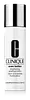
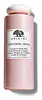
Clinique Even Better™ Brightening Essence Lotion Versus Origins Essence Lotion With Dual Ferment Complex
This brightening essence is formulated around Ascorbyl Glucoside and Salicylic Acid to brighten dull-looking skin and fade the look of dark spots.
This smoothing essence is formulated around Salicylic Acid and Magnesium Ascorbyl Phosphate to refine skin texture and brighten dull-looking skin.

What's inside
What's inside
 Key Ingredients
Benefits
Concerns
Ingredients Side-by-side
Water
Skin ConditioningGlycereth-26
Humectant
Butylene Glycol
Humectant
Faex Extract
Skin ConditioningAscorbyl Glucoside
Antioxidant




Glycerin
Humectant
Dimethoxytolyl Propylresorcinol
Antioxidant
Dipotassium Glycyrrhizate
Humectant

Glycyrrhiza Glabra Leaf Extract
Skin ConditioningPhytic Acid
Chelating
Salicylic Acid
Masking









Acetyl Glucosamine
Skin Conditioning
Sodium Hyaluronate
Humectant
Camellia Sinensis Leaf Extract
Antimicrobial
Caffeine
Skin Conditioning
Sucrose
Humectant
Algae Extract
Emollient
Hydrolyzed Prunus Domestica
Skin ConditioningLaminaria Saccharina Extract
Skin Protecting
Molasses Extract
Skin ConditioningSorbitol
Humectant
Ethylhexylglycerin
Skin ConditioningCitric Acid
Buffering
Sodium Hydroxide
BufferingPPG-5-Ceteth-20
EmulsifyingPPG-6-Decyltetradeceth-30
EmulsifyingCaprylyl Glycol
Emollient
Propanediol
Solvent
Sodium Citrate
BufferingDisodium EDTA
ChelatingPhenoxyethanol
Preservative
Potassium Sorbate
Preservative
Water, Glycereth-26, Butylene Glycol, Faex Extract, Ascorbyl Glucoside, Glycerin, Dimethoxytolyl Propylresorcinol, Dipotassium Glycyrrhizate, Glycyrrhiza Glabra Leaf Extract, Phytic Acid, Salicylic Acid, Acetyl Glucosamine, Sodium Hyaluronate, Camellia Sinensis Leaf Extract, Caffeine, Sucrose, Algae Extract, Hydrolyzed Prunus Domestica, Laminaria Saccharina Extract, Molasses Extract, Sorbitol, Ethylhexylglycerin, Citric Acid, Sodium Hydroxide, PPG-5-Ceteth-20, PPG-6-Decyltetradeceth-30, Caprylyl Glycol, Propanediol, Sodium Citrate, Disodium EDTA, Phenoxyethanol, Potassium Sorbate
Water
Skin ConditioningAlcohol Denat.
Antimicrobial
Butylene Glycol
Humectant
Glycereth-26
Humectant
PEG-75
HumectantPolysorbate 20
Emulsifying
Citrus Grandis Peel Oil
Masking


Lavandula Angustifolia Oil
Masking
Pelargonium Graveolens Flower Oil
Masking
Amyris Balsamifera Bark Oil
Masking
Salvia Sclarea Oil
Masking
Anthemis Nobilis Flower Oil
Masking
Rosa Centifolia Flower Extract
Astringent
Limonene
Perfuming
Linalool
Perfuming
Methyl Gluceth-20
Humectant
Laminaria Saccharina Extract
Skin Protecting
Epilobium Angustifolium Flower/Leaf/Stem Extract
Skin ConditioningCastanea Sativa Seed Extract
Skin ConditioningAlbizia Julibrissin Bark Extract
MaskingSalicylic Acid
Masking
Caffeine
Skin Conditioning
Ethylhexylglycerin
Skin ConditioningGlycerin
Humectant
Saccharum Officinarum Extract
MoisturisingPhytosphingosine
Skin Conditioning
Caprylyl Glycol
Emollient
Carbomer
Emulsion StabilisingSodium Hyaluronate
Humectant
Magnesium Ascorbyl Phosphate
Antioxidant
Silica
Abrasive
Tromethamine
BufferingFaex Extract
Skin ConditioningHexylene Glycol
EmulsifyingDisodium EDTA
ChelatingPhenoxyethanol
Preservative
Mica
Cosmetic ColorantCI 77891
Cosmetic ColorantCI 77491
Cosmetic ColorantBasic Violet 14
Water, Alcohol Denat., Butylene Glycol, Glycereth-26, PEG-75, Polysorbate 20, Citrus Grandis Peel Oil, Lavandula Angustifolia Oil, Pelargonium Graveolens Flower Oil, Amyris Balsamifera Bark Oil, Salvia Sclarea Oil, Anthemis Nobilis Flower Oil, Rosa Centifolia Flower Extract, Limonene, Linalool, Methyl Gluceth-20, Laminaria Saccharina Extract, Epilobium Angustifolium Flower/Leaf/Stem Extract, Castanea Sativa Seed Extract, Albizia Julibrissin Bark Extract, Salicylic Acid, Caffeine, Ethylhexylglycerin, Glycerin, Saccharum Officinarum Extract, Phytosphingosine, Caprylyl Glycol, Carbomer, Sodium Hyaluronate, Magnesium Ascorbyl Phosphate, Silica, Tromethamine, Faex Extract, Hexylene Glycol, Disodium EDTA, Phenoxyethanol, Mica, CI 77891, CI 77491, Basic Violet 14
Reviews
Ingredients Explained
These ingredients are found in both products.
Ingredients higher up in an ingredient list are typically present in a larger amount.
Butylene Glycol (or BG) is used within cosmetic products for a few different reasons:
Overall, Butylene Glycol is a safe and well-rounded ingredient that works well with other ingredients.
Though this ingredient works well with most skin types, some people with sensitive skin may experience a reaction such as allergic rashes, closed comedones, or itchiness.
Learn more about Butylene GlycolCaffeine is a naturally occurring plant compound found in coffee beans, tea leaves, cocoa pods, and guarana.
As an antioxidant, caffeine protects your skin from free radical damage caused by UV exposure and envionrmnetal stressors.
Early research also shows that caffeine can help calm redness, soothe irritated skin, and support hair growth by stimulating microcirculation in the scalp.
You might have seen eye creams marketing caffeine as a depuffing ingredient. This is because it is a vasoconstrictor meaning it can temporarily constrict blood vessels, though clinical evidence for this specific use is still limited.
Most skincare products contain this ingredient at concentrations between 1-6%. It is able to penetrate skin easily regardless of skin type or thickness.
Just so you know, a very small number of case reports describe caffeine-induced allergy. This ingredient is generally well-tolerated, non-irritating, and non-sensitizing for the majority of people.
Learn more about CaffeineCaprylyl Glycol is a humectant, skin conditioner, emollient, and preservative booster derived from either caprylic acid or synthetically created.
Typical use levels vary from 0.3-1% as a preservative booster and go up to 2% to condition skin.
Because it is not a free-fatty acid, this ingredient is fungal acne safe (there's nothing for Malassezia to feed on).
Learn more about Caprylyl GlycolDisodium EDTA is a chelating agent. It grabs onto and deactivates metal ions that sneak into your products from water, packaging, or air.
This ingredient mainly works behind the scenes and helps with:
On top of that, this ingredient can counteract the effects of hard water by binding to the minerals in it.
One thing worth knowing is that Disodium EDTA has been shown to be a mild penetration enhancer. It can help other ingredients absorb into skin more effectively which can be a double-edged sword (great for actives, but can also make the active too strong if you have sensitive skin).
Clinical patch testing showed no significant skin irritation at typical use concentrations and minimal dermal absorption.
You'll most likely see this ingredient near the end of an ingredient list. It's typically found in concentrations less than 1%.
Learn more about Disodium EDTAEthylhexylglycerin is created from glycerin. It is a multitasker ingredient that:
The CIR Expert Panel found minimal skin absorption or sensitization of any kind in a safety assessment. Though this ingredient is considered well-tolerated, a small number of cases of allergic dermatitis have been published since 2002. Just be sure to patch test if you are unsure.
Industry-reported use ranges from 8% in rinse-off products and 2% in leave-on formulations.
Learn more about EthylhexylglycerinWe don't have a description for Faex Extract yet.
Glycereth-26 is a synthetic ingredient and polyethylene glycol ether of Glycerin. Glycerin is already naturally found in your skin and helps keep your skin moisturized.
It is a humectant and helps add texture to products. It can make your product thicker.
As a humectant, it helps draw moisture from the air to your skin. This helps your skin stay hydrated.
Learn more about Glycereth-26Glycerin (or glycerol) is a compound naturally found in your skin. It's a powerhouse humectant that pulls water into the stratum corneum.
Topically, glycerin does several things at once:
Your skin makes glycerin on its own (mostly from sebaceous oil breakdown) and shuttles it to your outermost layer of skin, or your epidermis, via aquaporin-3.
Aquaporin-3 is a transporter that is essential for normal skin hydration, elasticity, and repair. Interestingly, mice lacking in AQP3 have dry and less elastic skin that can be fully corrected with glycerin.
This ingredient is non-irritating, plays well with almost every ingredient, and works across all skin types. Typical use is anywhere between 3-10% but can go up to 79% in some leave-on products.
Just know very high concentrations (>40%) can feel tacky in low humidity.
Glycerin is the name for this ingredient in American English. British English uses Glycerol/Glycerine.
Learn more about GlycerinThis ingredient comes from the brown algae called Laminaria saccharina (aka Saccharina latissima or sugar kelp).
What is it made up of?
Now the honest part:
The manufacturer sells this as an anti-seborrhoeic active that calms down oil production and refines the look of pores. This comes from supplier data and not published clinical trials so there is no randomized controlled trial on this ingredient for oiliness, acne, or anything else.
What does exist is one in-vitro study where the extract reduced melanin production in cultured cells + bumped up gluthatione (kind of promising for brightening, but petri dishes are not the same as skin).
The safety profile is the strongest part of this ingredient: human repeat insult patch tests on 50 people came back with zero sensitization. Patch testing at 8% and 16% also showed no irritation at all with only slight irritation when applied neat at 100%
Typical use levels are around 1-3% of the trade material.
You'll see algae listed as a 5/5 on a lot of pore-clogging charts and that number doesn't come from anywhere; it's not in the original rabbit-ear studies that most comedogenic ratings trace back to.
The reasoning behind the reputation is that seaweed is high in iodine and iodine can trigger acne-like breakouts when eaten. This traces back to a 1976 letter in Archives of Dermatology describing two women whose breakouts cleared after they stopped taking high-dose kelp supplements orally.
And the reaction of these two women wasn't clogged pores at all: it was an iodine-triggered pustular rash. Later research found normal dietary iodine doesn't meaningfully affect acne either and nobody has shown topical algae delivers enough iodine to matter.
What we do have is dozens of brown and red algae ingredients found to be non-irritating and non-sensitizing, and a handful of studies that found algae compounds may actually help acne.
However, plenty of people do report breaking out from algae-containing products. Skin is individual and it's worth avoiding if yours has reacted to algae before.
Learn more about Laminaria Saccharina ExtractPhenoxyethanol is one of the most widely used preservatives in skincare (and for good reason!).
It has a large spectrum of antimicrobial activity and especially effective bacteria, yeast, and mold while only having a weak effect on your skin's natural microbiome.
On a cellular level, it disrupts the cell membranes of microbes by poking holes that make the cell leak. This shuts down the chemical reactions the microbe needs to make energy so it can no longer survive.
Another perk of this ingredient is that it stays functional across a wide pH range (3-10).
You'll often see it paired with boosters like Ethylhexylglycerin; one study showed that a 1:9 ratio of Ethylhexylglycerin to Phenoxyethanol damages bacterial membranes as effectively as doubling the Phenoxyethanol concentration on its own.
Typical use concentrations range from 0.3-1% depending on the formula, and this ingredient is capped at 1% int the EU.
Safety-wise, the fear mongering does not hold up to the evidence. The EU's Scientific Committee on Consumer Safety and FDA consider it safe as a preservative at up to 1%, including for children of all ages.
Adverse systemic effects only showed up in animal studies at exposures roughly 200x higher than what people get from cosmetics. And despite its very widespread use, this ingredient is a rare sensitizer and allergic reactions are uncommon.
Learn more about PhenoxyethanolSalicylic Acid (also known as beta hydroxy acid or BHA) is a well-known ingredient for treating skin that struggles with acne and clogged pores. It exfoliates both the skin's surface and deep within the pores to help clear out buildup, control oil, and reduce inflammation.
Unlike AHAs (alpha hydroxy acids), salicylic acid is oil-soluble. This allows it to penetrate into pores which makes it especially effective for treating blackheads and preventing future breakouts.
Salicylic acid is also known for its soothing properties. It has a similar structure to aspirin and can calm inflamed or irritated skin, making it a good option for acne-prone skin that is also sensitive.
Concentrations of 0.5-2% are recognized by the U.S. FDA as an over-the-counter topical acne product.
It can cause irritation and/or dryness if one's skin already has a compromised moisture barrier, so it's best to focus on repairing that before introducing this ingredient into your routine.
While salicylic acid does not increase sun sensitivity, it’s still important to wear sunscreen daily to protect your skin.
If you are looking for the ingredient called BHA or Butylated Hydroxyanisole, click here.
Learn more about Salicylic AcidSodium Hyaluronate is the salt form of hyaluronic acid. It is a long sugar chain that is naturally found in your skin, joints, and connective tissue that maintains hydration and elasticity.
In skincare, it works as a humectant. It pulls water from the environment and deeper layers of skin and binds it to the surface.
Interestingly, the size of the molecule affects its behavior:
Some clinical evidence links low molecular weight versions to improved wrinkle depth, elasticity, anti-inflammatory effects, and barrier repair.
Many serums use a blend of both weights so you can get surface hydration plus longer-lasting and deeper effects.
You'll typically see concentrations between 0.1-2% for this ingredient.
Learn more about Sodium HyaluronateWater. It's the most common cosmetic ingredient of all. You'll usually see it at the top of ingredient lists, meaning that it makes up the largest part of the product.
So why is it so popular? Water most often acts as a solvent - this means that it helps dissolve other ingredients into the formulation.
You'll also recognize water as that liquid we all need to stay alive. If you see this, drink a glass of water. Remember to stay hydrated!
Learn more about Water


