Clinique Even Better™ Brightening Essence Lotion Versus Estée Lauder Micro Essence Skin Activating Treatment Lotion
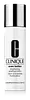
This brightening essence is formulated around Ascorbyl Glucoside and Salicylic Acid to brighten dull-looking skin and fade the look of dark spots.
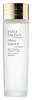
This barrier-repair essence is formulated around Bifida Ferment Lysate and Lactobacillus Ferment to strengthen the skin barrier and hydrate skin.

What's inside
What's inside
 Key Ingredients
Benefits
Concerns
No concerns
Ingredients Side-by-side
Water
Skin ConditioningGlycereth-26
Humectant
Butylene Glycol
Humectant
Faex Extract
Skin ConditioningAscorbyl Glucoside
Antioxidant




Glycerin
Humectant
Dimethoxytolyl Propylresorcinol
Antioxidant
Dipotassium Glycyrrhizate
Humectant

Glycyrrhiza Glabra Leaf Extract
Skin ConditioningPhytic Acid
Chelating
Salicylic Acid
Masking









Acetyl Glucosamine
Skin Conditioning
Sodium Hyaluronate
Humectant
Camellia Sinensis Leaf Extract
Antimicrobial
Caffeine
Skin Conditioning
Sucrose
Humectant
Algae Extract
Emollient
Hydrolyzed Prunus Domestica
Skin ConditioningLaminaria Saccharina Extract
Skin Protecting
Molasses Extract
Skin ConditioningSorbitol
Humectant
Ethylhexylglycerin
Skin ConditioningCitric Acid
Buffering
Sodium Hydroxide
BufferingPPG-5-Ceteth-20
EmulsifyingPPG-6-Decyltetradeceth-30
EmulsifyingCaprylyl Glycol
Emollient
Propanediol
Solvent
Sodium Citrate
BufferingDisodium EDTA
ChelatingPhenoxyethanol
Preservative
Potassium Sorbate
Preservative
Water, Glycereth-26, Butylene Glycol, Faex Extract, Ascorbyl Glucoside, Glycerin, Dimethoxytolyl Propylresorcinol, Dipotassium Glycyrrhizate, Glycyrrhiza Glabra Leaf Extract, Phytic Acid, Salicylic Acid, Acetyl Glucosamine, Sodium Hyaluronate, Camellia Sinensis Leaf Extract, Caffeine, Sucrose, Algae Extract, Hydrolyzed Prunus Domestica, Laminaria Saccharina Extract, Molasses Extract, Sorbitol, Ethylhexylglycerin, Citric Acid, Sodium Hydroxide, PPG-5-Ceteth-20, PPG-6-Decyltetradeceth-30, Caprylyl Glycol, Propanediol, Sodium Citrate, Disodium EDTA, Phenoxyethanol, Potassium Sorbate
Water
Skin ConditioningBifida Ferment Lysate
Skin Conditioning
PEG-75
HumectantPropanediol
Solvent
Butylene Glycol
Humectant
Betaine
Humectant
Pentylene Glycol
Skin Conditioning
Lactobacillus Ferment
Skin Conditioning
Acetyl Hexapeptide-8
Humectant
Acetyl Glucosamine
Skin Conditioning
Trehalose
Humectant
Caffeine
Skin Conditioning
Sodium Hyaluronate
Humectant
Anthemis Nobilis Flower Extract
Masking
Caprylyl Glycol
Emollient
Carbomer
Emulsion StabilisingPPG-5-Ceteth-20
EmulsifyingCitric Acid
Buffering
Potassium Sorbate
Preservative
Sodium Citrate
BufferingTromethamine
BufferingDisodium EDTA
ChelatingPhenoxyethanol
Preservative
Water, Bifida Ferment Lysate, PEG-75, Propanediol, Butylene Glycol, Betaine, Pentylene Glycol, Lactobacillus Ferment, Acetyl Hexapeptide-8, Acetyl Glucosamine, Trehalose, Caffeine, Sodium Hyaluronate, Anthemis Nobilis Flower Extract, Caprylyl Glycol, Carbomer, PPG-5-Ceteth-20, Citric Acid, Potassium Sorbate, Sodium Citrate, Tromethamine, Disodium EDTA, Phenoxyethanol
Reviews
Ingredients Explained
These ingredients are found in both products.
Ingredients higher up in an ingredient list are typically present in a larger amount.
Acetyl Glucosamine is an antioxidant and humectant. It is an amino acid sugar and is naturally found in our skin.
The cool thing about this ingredient? It helps the skin produce hyaluronic acid and boost hydration. It also has antioxidant benefits to protect skin cells.
When paired with niacinamide, Acetyl Glucosamine has been shown to be effective at reducing discoloration.
Learn more about Acetyl GlucosamineButylene Glycol (or BG) is used within cosmetic products for a few different reasons:
Overall, Butylene Glycol is a safe and well-rounded ingredient that works well with other ingredients.
Though this ingredient works well with most skin types, some people with sensitive skin may experience a reaction such as allergic rashes, closed comedones, or itchiness.
Learn more about Butylene GlycolCaffeine is a naturally occurring plant compound found in coffee beans, tea leaves, cocoa pods, and guarana.
As an antioxidant, caffeine protects your skin from free radical damage caused by UV exposure and envionrmnetal stressors.
Early research also shows that caffeine can help calm redness, soothe irritated skin, and support hair growth by stimulating microcirculation in the scalp.
You might have seen eye creams marketing caffeine as a depuffing ingredient. This is because it is a vasoconstrictor meaning it can temporarily constrict blood vessels, though clinical evidence for this specific use is still limited.
Most skincare products contain this ingredient at concentrations between 1-6%. It is able to penetrate skin easily regardless of skin type or thickness.
Just so you know, a very small number of case reports describe caffeine-induced allergy. This ingredient is generally well-tolerated, non-irritating, and non-sensitizing for the majority of people.
Learn more about CaffeineCaprylyl Glycol is a humectant, skin conditioner, emollient, and preservative booster derived from either caprylic acid or synthetically created.
Typical use levels vary from 0.3-1% as a preservative booster and go up to 2% to condition skin.
Because it is not a free-fatty acid, this ingredient is fungal acne safe (there's nothing for Malassezia to feed on).
Learn more about Caprylyl GlycolCitric Acid is an alpha hydroxy acid (AHA) naturally found in citrus fruits like oranges, lemons, and limes.
Like other AHAs, citric acid can exfoliate skin by breaking down the bonds that hold dead skin cells together. This helps reveal smoother and brighter skin underneath.
However, this exfoliating effect only happens at high concentrations (20%) which can be hard to find in cosmetic products.
Due to this, citric acid is usually included in small amounts as a pH adjuster. This helps keep products slightly more acidic and compatible with skin's natural pH.
In skincare formulas, citric acid can:
While it can provide some skin benefits, research shows lactic acid and glycolic acid are generally more effective and less irritating exfoliants.
Most citric acid used in skincare today is made by fermenting sugars (usually from molasses). This synthetic version is identical to the natural citrus form but easier to stabilize and use in formulations.
Rosacea skin has a lower threshold for acids generally, with 62.5% of rosacea subjects in one study reacting to lactic acid in a sting test. This is why we mark citric acid as a potential rosacea trigger.
However, this ingredient shows up as a pH adjuster or chelator at roughly 0.1-1% in many products. These low levels are unlikely to be an issue for rosacea skin and becomes a potential trigger at exfoliating concentrations (20%). Because everybody's skin is unique, we recommend a patch test if you are unsure.
Learn more about Citric AcidDisodium EDTA is a chelating agent. It grabs onto and deactivates metal ions that sneak into your products from water, packaging, or air.
This ingredient mainly works behind the scenes and helps with:
On top of that, this ingredient can counteract the effects of hard water by binding to the minerals in it.
One thing worth knowing is that Disodium EDTA has been shown to be a mild penetration enhancer. It can help other ingredients absorb into skin more effectively which can be a double-edged sword (great for actives, but can also make the active too strong if you have sensitive skin).
Clinical patch testing showed no significant skin irritation at typical use concentrations and minimal dermal absorption.
You'll most likely see this ingredient near the end of an ingredient list. It's typically found in concentrations less than 1%.
Learn more about Disodium EDTAPhenoxyethanol is one of the most widely used preservatives in skincare (and for good reason!).
It has a large spectrum of antimicrobial activity and especially effective bacteria, yeast, and mold while only having a weak effect on your skin's natural microbiome.
On a cellular level, it disrupts the cell membranes of microbes by poking holes that make the cell leak. This shuts down the chemical reactions the microbe needs to make energy so it can no longer survive.
Another perk of this ingredient is that it stays functional across a wide pH range (3-10).
You'll often see it paired with boosters like Ethylhexylglycerin; one study showed that a 1:9 ratio of Ethylhexylglycerin to Phenoxyethanol damages bacterial membranes as effectively as doubling the Phenoxyethanol concentration on its own.
Typical use concentrations range from 0.3-1% depending on the formula, and this ingredient is capped at 1% int the EU.
Safety-wise, the fear mongering does not hold up to the evidence. The EU's Scientific Committee on Consumer Safety and FDA consider it safe as a preservative at up to 1%, including for children of all ages.
Adverse systemic effects only showed up in animal studies at exposures roughly 200x higher than what people get from cosmetics. And despite its very widespread use, this ingredient is a rare sensitizer and allergic reactions are uncommon.
Learn more about PhenoxyethanolPotassium Sorbate is a preservative used to prevent yeast and mold in products. It is commonly found in both cosmetic and food products.
This ingredient comes from potassium salt derived from sorbic acid. Sorbic acid is a natural antibiotic and effective against fungus.
Both potassium sorbate and sorbic acid can be found in baked goods, cheeses, dried meats, dried fruit, ice cream, pickles, wine, yogurt, and more.
You'll often find this ingredient used with other preservatives.
Learn more about Potassium SorbateWe don't have a description for PPG-5-Ceteth-20 yet.
Propanediol is an all-star ingredient. It softens, hydrates, and smooths the skin.
It’s often used to:
Propanediol is not likely to cause sensitivity and considered safe to use. It is derived from corn or petroleum with a clear color and no scent.
Learn more about PropanediolSodium Citrate is the sodium salts of citric acid. In skincare, it is used to alter pH levels and acts as a preservative.
Its main functions are to maintain the pH of a product and neutralize metal ions.
The acidity of our skin is maintained by our glands and skin biome; normal pH level of skin is slightly acidic (~4.75-5.5).
Being slightly acidic allows our skin to create an "acid mantle". This acid mantle is a thin barrier that protects our skin from bacteria and contaminants.
Learn more about Sodium CitrateSodium Hyaluronate is the salt form of hyaluronic acid. It is a long sugar chain that is naturally found in your skin, joints, and connective tissue that maintains hydration and elasticity.
In skincare, it works as a humectant. It pulls water from the environment and deeper layers of skin and binds it to the surface.
Interestingly, the size of the molecule affects its behavior:
Some clinical evidence links low molecular weight versions to improved wrinkle depth, elasticity, anti-inflammatory effects, and barrier repair.
Many serums use a blend of both weights so you can get surface hydration plus longer-lasting and deeper effects.
You'll typically see concentrations between 0.1-2% for this ingredient.
Learn more about Sodium HyaluronateWater. It's the most common cosmetic ingredient of all. You'll usually see it at the top of ingredient lists, meaning that it makes up the largest part of the product.
So why is it so popular? Water most often acts as a solvent - this means that it helps dissolve other ingredients into the formulation.
You'll also recognize water as that liquid we all need to stay alive. If you see this, drink a glass of water. Remember to stay hydrated!
Learn more about Water

