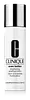
This brightening essence is formulated around Ascorbyl Glucoside and Salicylic Acid to brighten dull-looking skin and fade the look of dark spots.
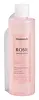
This hydrating toner is formulated around Allantoin and Sodium Hyaluronate to hydrate skin and calm redness.


What's inside
What's inside
 Key Ingredients
Benefits
Concerns
No concerns
Ingredients Side-by-side
Water
Skin ConditioningGlycereth-26
Humectant
Butylene Glycol
Humectant
Faex Extract
Skin ConditioningAscorbyl Glucoside
Antioxidant




Glycerin
Humectant
Dimethoxytolyl Propylresorcinol
Antioxidant
Dipotassium Glycyrrhizate
Humectant

Glycyrrhiza Glabra Leaf Extract
Skin ConditioningPhytic Acid
Chelating
Salicylic Acid
Masking









Acetyl Glucosamine
Skin Conditioning
Sodium Hyaluronate
Humectant
Camellia Sinensis Leaf Extract
Antimicrobial
Caffeine
Skin Conditioning
Sucrose
Humectant
Algae Extract
Emollient
Hydrolyzed Prunus Domestica
Skin ConditioningLaminaria Saccharina Extract
Skin Protecting
Molasses Extract
Skin ConditioningSorbitol
Humectant
Ethylhexylglycerin
Skin ConditioningCitric Acid
Buffering
Sodium Hydroxide
BufferingPPG-5-Ceteth-20
EmulsifyingPPG-6-Decyltetradeceth-30
EmulsifyingCaprylyl Glycol
Emollient
Propanediol
Solvent
Sodium Citrate
BufferingDisodium EDTA
ChelatingPhenoxyethanol
Preservative
Potassium Sorbate
Preservative
Water, Glycereth-26, Butylene Glycol, Faex Extract, Ascorbyl Glucoside, Glycerin, Dimethoxytolyl Propylresorcinol, Dipotassium Glycyrrhizate, Glycyrrhiza Glabra Leaf Extract, Phytic Acid, Salicylic Acid, Acetyl Glucosamine, Sodium Hyaluronate, Camellia Sinensis Leaf Extract, Caffeine, Sucrose, Algae Extract, Hydrolyzed Prunus Domestica, Laminaria Saccharina Extract, Molasses Extract, Sorbitol, Ethylhexylglycerin, Citric Acid, Sodium Hydroxide, PPG-5-Ceteth-20, PPG-6-Decyltetradeceth-30, Caprylyl Glycol, Propanediol, Sodium Citrate, Disodium EDTA, Phenoxyethanol, Potassium Sorbate
Rose Extract 90.97%
Skin ConditioningButylene Glycol
Humectant
Propanediol
Solvent
1,2-Hexanediol
Skin Conditioning
PPG-13-Decyltetradeceth-24
EmulsifyingCarbomer
Emulsion StabilisingEthylhexylglycerin
Skin ConditioningDisodium EDTA
ChelatingTromethamine
BufferingAllantoin
Skin Conditioning
Water
Skin ConditioningSodium Hyaluronate
Humectant
Hydrolyzed Hyaluronic Acid
Humectant
Sodium Hyaluronate Crosspolymer
Humectant
Hyaluronic Acid
Humectant
Sodium Acetylated Hyaluronate
Humectant
Reviews
Ingredients Explained
These ingredients are found in both products.
Ingredients higher up in an ingredient list are typically present in a larger amount.
Butylene Glycol (or BG) is used within cosmetic products for a few different reasons:
Overall, Butylene Glycol is a safe and well-rounded ingredient that works well with other ingredients.
Though this ingredient works well with most skin types, some people with sensitive skin may experience a reaction such as allergic rashes, closed comedones, or itchiness.
Learn more about Butylene GlycolDisodium EDTA is a chelating agent. It grabs onto and deactivates metal ions that sneak into your products from water, packaging, or air.
This ingredient mainly works behind the scenes and helps with:
On top of that, this ingredient can counteract the effects of hard water by binding to the minerals in it.
One thing worth knowing is that Disodium EDTA has been shown to be a mild penetration enhancer. It can help other ingredients absorb into skin more effectively which can be a double-edged sword (great for actives, but can also make the active too strong if you have sensitive skin).
Clinical patch testing showed no significant skin irritation at typical use concentrations and minimal dermal absorption.
You'll most likely see this ingredient near the end of an ingredient list. It's typically found in concentrations less than 1%.
Learn more about Disodium EDTAEthylhexylglycerin is created from glycerin. It is a multitasker ingredient that:
The CIR Expert Panel found minimal skin absorption or sensitization of any kind in a safety assessment. Though this ingredient is considered well-tolerated, a small number of cases of allergic dermatitis have been published since 2002. Just be sure to patch test if you are unsure.
Industry-reported use ranges from 8% in rinse-off products and 2% in leave-on formulations.
Learn more about EthylhexylglycerinPropanediol is an all-star ingredient. It softens, hydrates, and smooths the skin.
It’s often used to:
Propanediol is not likely to cause sensitivity and considered safe to use. It is derived from corn or petroleum with a clear color and no scent.
Learn more about PropanediolSodium Hyaluronate is the salt form of hyaluronic acid. It is a long sugar chain that is naturally found in your skin, joints, and connective tissue that maintains hydration and elasticity.
In skincare, it works as a humectant. It pulls water from the environment and deeper layers of skin and binds it to the surface.
Interestingly, the size of the molecule affects its behavior:
Some clinical evidence links low molecular weight versions to improved wrinkle depth, elasticity, anti-inflammatory effects, and barrier repair.
Many serums use a blend of both weights so you can get surface hydration plus longer-lasting and deeper effects.
You'll typically see concentrations between 0.1-2% for this ingredient.
Learn more about Sodium HyaluronateWater. It's the most common cosmetic ingredient of all. You'll usually see it at the top of ingredient lists, meaning that it makes up the largest part of the product.
So why is it so popular? Water most often acts as a solvent - this means that it helps dissolve other ingredients into the formulation.
You'll also recognize water as that liquid we all need to stay alive. If you see this, drink a glass of water. Remember to stay hydrated!
Learn more about Water

