Clinique All About Eyes Serum De-Puffing Eye Massage Versus Urban Skin Dark Circle Vitaleyez Treatment
This calming eye moisturizer is formulated around Caffeine and Panthenol to calm redness and hydrate skin.
This brightening eye moisturizer is formulated around Sodium Ascorbyl Phosphate and Tetrahexyldecyl Ascorbate to fade the look of dark spots and brighten dull-looking skin.

What's inside
What's inside
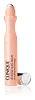 Key Ingredients
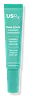
Benefits
Concerns
Ingredients Side-by-side
Water
Skin ConditioningButylene Glycol
Humectant

Glycerin
Humectant
Caffeine
Skin Conditioning

Panthenol
Skin Conditioning
Polygonum Cuspidatum Root Extract
Antioxidant
Vitis Vinifera Seed Extract
Antimicrobial
Rosmarinus Officinalis Extract
AntimicrobialHumulus Lupulus Extract
AntimicrobialCitrus Reticulata Peel Extract
Skin ConditioningPunica Granatum Fruit Juice
MaskingFaex Extract
Skin ConditioningBiosaccharide Gum-1
Humectant
Linolenic Acid
Cleansing




Sodium Hyaluronate
Humectant
Laureth-7
EmulsifyingLinoleic Acid
Cleansing
Glycine
Buffering
Carbomer
Emulsion StabilisingCyclodextrin
AbsorbentHydroxyproline
Skin ConditioningAcrylates Copolymer
C13-14 Isoparaffin
Emollient
Polyacrylamide
Caprylyl Glycol
Emollient
Proline
Skin Conditioning
Ethylbisiminomethylguaiacol Manganese Chloride
Antioxidant
Nordihydroguaiaretic Acid
Antioxidant
Xanthan Gum
EmulsifyingHexylene Glycol
EmulsifyingDisodium EDTA
ChelatingPhenoxyethanol
Preservative
CI 77891
Cosmetic ColorantMica
Cosmetic ColorantWater, Butylene Glycol, Glycerin, Caffeine, Panthenol, Polygonum Cuspidatum Root Extract, Vitis Vinifera Seed Extract, Rosmarinus Officinalis Extract, Humulus Lupulus Extract, Citrus Reticulata Peel Extract, Punica Granatum Fruit Juice, Faex Extract, Biosaccharide Gum-1, Linolenic Acid, Sodium Hyaluronate, Laureth-7, Linoleic Acid, Glycine, Carbomer, Cyclodextrin, Hydroxyproline, Acrylates Copolymer, C13-14 Isoparaffin, Polyacrylamide, Caprylyl Glycol, Proline, Ethylbisiminomethylguaiacol Manganese Chloride, Nordihydroguaiaretic Acid, Xanthan Gum, Hexylene Glycol, Disodium EDTA, Phenoxyethanol, CI 77891, Mica
Water
Skin ConditioningPrunus Armeniaca Kernel Oil
Masking


Simmondsia Chinensis Seed Oil
Emollient
Polyacrylamide
C13-14 Isoparaffin
Emollient
Sodium Ascorbyl Phosphate
Antioxidant



Tetrahexyldecyl Ascorbate
Antioxidant
Phenoxyethanol
Preservative
Alpha-Arbutin
Antioxidant
Squalane
Emollient
Laureth-7
EmulsifyingCitric Acid
Buffering
Hydroxypropyl Starch Phosphate
Sodium Gluconate
ChelatingEthylhexylglycerin
Skin ConditioningGlycerin
Humectant
Caprylic/Capric Triglyceride
Masking
Caffeine
Skin Conditioning
Retinol
Skin Conditioning



Polysorbate 20
Emulsifying
Camellia Sinensis Leaf Extract
Antimicrobial
Butylene Glycol
Humectant
Helianthus Annuus Seed Oil
Emollient
Cetyl Palmitate
Emollient
Laureth-23
Cleansing
Algae Extract
Emollient
Sodium Hyaluronate
Humectant
Arnica Montana Flower Extract
Masking
Hydrolyzed Rice Protein
Skin ConditioningCeramide NP
Skin Conditioning
Sodium Hydroxide
BufferingTrideceth-6
EmulsifyingAcacia Senegal Gum
MaskingCaprylyl Glycol
Emollient
Carbomer
Emulsion StabilisingEurya Japonica Extract
Skin ConditioningPhytonadione Epoxide
AstringentSucrose
Humectant
Palmitoyl Tripeptide-1
Skin Conditioning
Palmitoyl Tetrapeptide-7
Skin Conditioning
Acetyl Hexapeptide-8
Humectant
Pentapeptide-18
Skin Conditioning
Copper Tripeptide-1
Skin Conditioning
Acetyl Octapeptide-3
Humectant
Water, Prunus Armeniaca Kernel Oil, Simmondsia Chinensis Seed Oil, Polyacrylamide, C13-14 Isoparaffin, Sodium Ascorbyl Phosphate, Tetrahexyldecyl Ascorbate, Phenoxyethanol, Alpha-Arbutin, Squalane, Laureth-7, Citric Acid, Hydroxypropyl Starch Phosphate, Sodium Gluconate, Ethylhexylglycerin, Glycerin, Caprylic/Capric Triglyceride, Caffeine, Retinol, Polysorbate 20, Camellia Sinensis Leaf Extract, Butylene Glycol, Helianthus Annuus Seed Oil, Cetyl Palmitate, Laureth-23, Algae Extract, Sodium Hyaluronate, Arnica Montana Flower Extract, Hydrolyzed Rice Protein, Ceramide NP, Sodium Hydroxide, Trideceth-6, Acacia Senegal Gum, Caprylyl Glycol, Carbomer, Eurya Japonica Extract, Phytonadione Epoxide, Sucrose, Palmitoyl Tripeptide-1, Palmitoyl Tetrapeptide-7, Acetyl Hexapeptide-8, Pentapeptide-18, Copper Tripeptide-1, Acetyl Octapeptide-3
Reviews
Ingredients Explained
These ingredients are found in both products.
Ingredients higher up in an ingredient list are typically present in a larger amount.
Butylene Glycol (or BG) is used within cosmetic products for a few different reasons:
Overall, Butylene Glycol is a safe and well-rounded ingredient that works well with other ingredients.
Though this ingredient works well with most skin types, some people with sensitive skin may experience a reaction such as allergic rashes, closed comedones, or itchiness.
Learn more about Butylene GlycolC13-14 Isoparaffin is a synthetic emollient, solvent, and thickening agent. It helps soften skin and improves spreadability without leaving a greasy residue.
This ingredient has been found to be non-sensitizing and safe for use in cosmetics.
Two things floating around online that cause fear-mongering:
There's one scary-sounding study related to kidney tumors in male rats; this depends on a protein called alpha-2u-globulin that binds the ingredient and clogs up kidney cells. Female rats barely make this protein, and humans don't make it at all so this effect cannot happen to us. Regulatory bodies have states this rat-only pathway shouldn't be used to judge human risk.
The other thing you'll see is 1,4-dioxane being a trace byproduct that can form during manufacturing of petroleum-derived ingredients. This is a real, but heavily managed/monitored issue. This byproduct is removed through purification steps before the ingredients goes into the formula. Regulatory bodies also actively monitor residual levels for safety.
One last thing to note: this ingredient is a pure hydrocarbon with no fatty-acid or ester chains for Malassezia to feed on, so it's considered fungal acne safe.
Learn more about C13-14 IsoparaffinCaffeine is a naturally occurring plant compound found in coffee beans, tea leaves, cocoa pods, and guarana.
As an antioxidant, caffeine protects your skin from free radical damage caused by UV exposure and envionrmnetal stressors.
Early research also shows that caffeine can help calm redness, soothe irritated skin, and support hair growth by stimulating microcirculation in the scalp.
You might have seen eye creams marketing caffeine as a depuffing ingredient. This is because it is a vasoconstrictor meaning it can temporarily constrict blood vessels, though clinical evidence for this specific use is still limited.
Most skincare products contain this ingredient at concentrations between 1-6%. It is able to penetrate skin easily regardless of skin type or thickness.
Just so you know, a very small number of case reports describe caffeine-induced allergy. This ingredient is generally well-tolerated, non-irritating, and non-sensitizing for the majority of people.
Learn more about CaffeineCaprylyl Glycol is a humectant, skin conditioner, emollient, and preservative booster derived from either caprylic acid or synthetically created.
Typical use levels vary from 0.3-1% as a preservative booster and go up to 2% to condition skin.
Because it is not a free-fatty acid, this ingredient is fungal acne safe (there's nothing for Malassezia to feed on).
Learn more about Caprylyl GlycolCarbomer is a synthetic thickening and gelling agent. It's basically the ingredient that gives a lot of serums, gels, creams, and sunscreens their smooth, non-sticky texture.
Although legally permitted at very high levels, carbomers are normally used at concentrations below 1%.
It also needs to be neutralized to actually thicken, and because it is a large molecule, it doesn't really penetrate the skin barrier.
Allergy-wise, the risk is very low. Clinical studies show carbomers have low potential for skin irritation/sensitization even at concentrations up to 100%.
A 2024 UK study patch-tested 1,302 patients and found true allergy to the parent group of carbomer to be rare with no confirmed relevant reactions.
Learn more about CarbomerGlycerin (or glycerol) is a compound naturally found in your skin. It's a powerhouse humectant that pulls water into the stratum corneum.
Topically, glycerin does several things at once:
Your skin makes glycerin on its own (mostly from sebaceous oil breakdown) and shuttles it to your outermost layer of skin, or your epidermis, via aquaporin-3.
Aquaporin-3 is a transporter that is essential for normal skin hydration, elasticity, and repair. Interestingly, mice lacking in AQP3 have dry and less elastic skin that can be fully corrected with glycerin.
This ingredient is non-irritating, plays well with almost every ingredient, and works across all skin types. Typical use is anywhere between 3-10% but can go up to 79% in some leave-on products.
Just know very high concentrations (>40%) can feel tacky in low humidity.
Glycerin is the name for this ingredient in American English. British English uses Glycerol/Glycerine.
Learn more about GlycerinLaureth-7 is created by the ethoxylation of lauryl alcohol using ethylene oxide. Lauryl alcohol is a fatty alcohol with hydrating properties.
This ingredient is an emulsifier and cleansing ingredient. As an emulsifier, it is used to prevent ingredients from separating. It also helps cleanse the skin by gathering dirt, oil, and pollutants to be rinsed away.
Phenoxyethanol is one of the most widely used preservatives in skincare (and for good reason!).
It has a large spectrum of antimicrobial activity and especially effective bacteria, yeast, and mold while only having a weak effect on your skin's natural microbiome.
On a cellular level, it disrupts the cell membranes of microbes by poking holes that make the cell leak. This shuts down the chemical reactions the microbe needs to make energy so it can no longer survive.
Another perk of this ingredient is that it stays functional across a wide pH range (3-10).
You'll often see it paired with boosters like Ethylhexylglycerin; one study showed that a 1:9 ratio of Ethylhexylglycerin to Phenoxyethanol damages bacterial membranes as effectively as doubling the Phenoxyethanol concentration on its own.
Typical use concentrations range from 0.3-1% depending on the formula, and this ingredient is capped at 1% int the EU.
Safety-wise, the fear mongering does not hold up to the evidence. The EU's Scientific Committee on Consumer Safety and FDA consider it safe as a preservative at up to 1%, including for children of all ages.
Adverse systemic effects only showed up in animal studies at exposures roughly 200x higher than what people get from cosmetics. And despite its very widespread use, this ingredient is a rare sensitizer and allergic reactions are uncommon.
Learn more about PhenoxyethanolPolyacrylamide is a synthetic polymer. It is used to stabilize products and bind ingredients. When hydrated, Polyacrylamide forms a soft gel.
Polyacrylamide is low-toxicity. If source properly, it is deemed safe to use in cosmetics.
It should be noted the precursor to Polyacrylamide is acrylamide. Acrylamide is a carcinogen. Most reputable sources of Polyacrylamide will screen for residual acrylamide to make sure the count is in a safe range. Acrylamide is not able to be absorbed through the skin.
We recommend speaking with a professional if you have concerns.
Learn more about PolyacrylamideSodium Hyaluronate is the salt form of hyaluronic acid. It is a long sugar chain that is naturally found in your skin, joints, and connective tissue that maintains hydration and elasticity.
In skincare, it works as a humectant. It pulls water from the environment and deeper layers of skin and binds it to the surface.
Interestingly, the size of the molecule affects its behavior:
Some clinical evidence links low molecular weight versions to improved wrinkle depth, elasticity, anti-inflammatory effects, and barrier repair.
Many serums use a blend of both weights so you can get surface hydration plus longer-lasting and deeper effects.
You'll typically see concentrations between 0.1-2% for this ingredient.
Learn more about Sodium HyaluronateWater. It's the most common cosmetic ingredient of all. You'll usually see it at the top of ingredient lists, meaning that it makes up the largest part of the product.
So why is it so popular? Water most often acts as a solvent - this means that it helps dissolve other ingredients into the formulation.
You'll also recognize water as that liquid we all need to stay alive. If you see this, drink a glass of water. Remember to stay hydrated!
Learn more about Water

