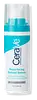
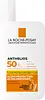
CeraVe Resurfacing Retinol Serum Versus La Roche-Posay Anthelios Invisible Fluid Facial Sunscreen SPF50+


What's inside
What's inside
 Key Ingredients
Benefits
Concerns
Ingredients Side-by-side
Water
Skin ConditioningPropanediol
Solvent

Dimethicone
Emollient

Cetearyl Ethylhexanoate
Emollient
Niacinamide
Smoothing









Ammonium Polyacryloyldimethyl Taurate
Emulsion StabilisingDipotassium Glycyrrhizate
Humectant
Hydrogenated Lecithin
Emulsifying
Potassium Phosphate
BufferingCeramide NP
Skin Conditioning
Ceramide AP
Skin Conditioning
Ceramide EOP
Skin Conditioning
Carbomer
Emulsion StabilisingCetearyl Alcohol
Emollient



Behentrimonium Methosulfate
Surfactant
Dimethiconol
Emollient
Lecithin
Emollient
Sodium Citrate
BufferingRetinol
Skin Conditioning

Sodium Hyaluronate
Humectant
Sodium Lauroyl Lactylate
EmulsifyingCholesterol
Emollient
Phenoxyethanol
Preservative
Alcohol
Antimicrobial



Isopropyl Myristate
Emollient
Caprylyl Glycol
Emollient
Citric Acid
Buffering
Trisodium Ethylenediamine Disuccinate
Pentylene Glycol
Skin Conditioning
Phytosphingosine
Skin Conditioning
Xanthan Gum
EmulsifyingPolysorbate 20
Emulsifying
Ethylhexylglycerin
Skin ConditioningWater, Propanediol, Dimethicone, Cetearyl Ethylhexanoate, Niacinamide, Ammonium Polyacryloyldimethyl Taurate, Dipotassium Glycyrrhizate, Hydrogenated Lecithin, Potassium Phosphate, Ceramide NP, Ceramide AP, Ceramide EOP, Carbomer, Cetearyl Alcohol, Behentrimonium Methosulfate, Dimethiconol, Lecithin, Sodium Citrate, Retinol, Sodium Hyaluronate, Sodium Lauroyl Lactylate, Cholesterol, Phenoxyethanol, Alcohol, Isopropyl Myristate, Caprylyl Glycol, Citric Acid, Trisodium Ethylenediamine Disuccinate, Pentylene Glycol, Phytosphingosine, Xanthan Gum, Polysorbate 20, Ethylhexylglycerin
Water
Skin ConditioningAlcohol Denat.
Antimicrobial
Diisopropyl Sebacate
EmollientSilica
Abrasive
Isopropyl Myristate
Emollient
Ethylhexyl Salicylate
UV Absorber

Ethylhexyl Triazone
UV Absorber
Bis-Ethylhexyloxyphenol Methoxyphenyl Triazine
Skin Conditioning
Butyl Methoxydibenzoylmethane
UV Absorber
Glycerin
Humectant
C12-22 Alkyl Acrylate/Hydroxyethylacrylate Copolymer
StabilisingPropanediol
Solvent
Drometrizole Trisiloxane
UV Absorber
Perlite
Absorbent
Tocopherol
Antioxidant

Caprylic/Capric Triglyceride
Masking
Acrylates/C10-30 Alkyl Acrylate Crosspolymer
Emulsion StabilisingCaprylyl Glycol
Emollient
Hydroxyethylcellulose
Emulsion StabilisingTerephthalylidene Dicamphor Sulfonic Acid
UV Absorber
Triethanolamine
BufferingTrisodium Ethylenediamine Disuccinate
Water, Alcohol Denat., Diisopropyl Sebacate, Silica, Isopropyl Myristate, Ethylhexyl Salicylate, Ethylhexyl Triazone, Bis-Ethylhexyloxyphenol Methoxyphenyl Triazine, Butyl Methoxydibenzoylmethane, Glycerin, C12-22 Alkyl Acrylate/Hydroxyethylacrylate Copolymer, Propanediol, Drometrizole Trisiloxane, Perlite, Tocopherol, Caprylic/Capric Triglyceride, Acrylates/C10-30 Alkyl Acrylate Crosspolymer, Caprylyl Glycol, Hydroxyethylcellulose, Terephthalylidene Dicamphor Sulfonic Acid, Triethanolamine, Trisodium Ethylenediamine Disuccinate
Reviews
Ingredients Explained
These ingredients are found in both products.
Ingredients higher up in an ingredient list are typically present in a larger amount.
Caprylyl Glycol is a humectant, skin conditioner, emollient, and preservative booster derived from either caprylic acid or synthetically created.
Typical use levels vary from 0.3-1% as a preservative booster and go up to 2% to condition skin.
Because it is not a free-fatty acid or alcohol, this ingredient is fungal acne safe (there's nothing for Malassezia to feed on).
Learn more about Caprylyl GlycolIsopropyl Myristate is an ester made by combining isopropyl alcohol with myristic acid.
It is primarily an emollient and penetration enhancer that gives products a lightweight, silky feel without the heaviness of oils.
This ingredient is generally considered non-toxic, non-irritating, and has low absorption potential.
You might have heard that this ingredient clogs pores. This reputation comes from the older rabbit ear studies which are more sensitive than human skin to clogging.
Dermatologist Dr. Zoe Draelos has also confirmed in a peer-reviewed paper that products containing comedogenic ingredients are not necessarily comedogenic themselves.
A small subset of people (~2%) may experience contact sensitivity so patch testing is a reasonable idea if you have reactive skin.
Since this ingredient is an ester of myristic acid (a C14 fatty acid), it falls within the carbon chain range that is known to feed Malassezia. This ingredient may not be fungal acne safe.
Learn more about Isopropyl MyristatePropanediol is an all-star ingredient. It softens, hydrates, and smooths the skin.
It’s often used to:
Propanediol is not likely to cause sensitivity and considered safe to use. It is derived from corn or petroleum with a clear color and no scent.
Learn more about PropanediolTrisodium Ethylenediamine Disuccinate is used to help stabilize a product.
It is a chelating agent, meaning it helps prevent metal ions from binding to other ingredients. This prevents unwanted reactions in products. Metal ions can come into a product via the water ingredient. They are found in trace amounts and are not known to be harmful.
Water. It's the most common cosmetic ingredient of all. You'll usually see it at the top of ingredient lists, meaning that it makes up the largest part of the product.
So why is it so popular? Water most often acts as a solvent - this means that it helps dissolve other ingredients into the formulation.
You'll also recognize water as that liquid we all need to stay alive. If you see this, drink a glass of water. Remember to stay hydrated!
Learn more about Water
