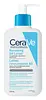
This smoothing moisturizer is formulated around Salicylic Acid and Ceramide NP to refine skin texture and clear breakouts.

What's inside
What's inside
 Key Ingredients
Benefits
Concerns
Ingredients Side-by-side
Salicylic Acid 3%
Masking










Water
Skin ConditioningGlycerin
Humectant


Paraffinum Liquidum
Emollient

Behentrimonium Methosulfate
SurfactantCetearyl Alcohol
Emollient



Cetyl Alcohol
Emollient
Ammonium Lactate
Buffering
Glyceryl Stearate Se
Emulsifying
PEG-100 Stearate
Surfactant
Zea Mays Oil
Emulsifying
Cholecalciferol
Dimethicone
Emollient
Ceramide NP
Skin Conditioning



Ceramide AP
Skin Conditioning
Ceramide EOP
Skin Conditioning
Cholesterol
Emollient
Phytosphingosine
Skin Conditioning
Hyaluronic Acid
Humectant
Sodium Lauroyl Lactylate
EmulsifyingDisodium EDTA
ChelatingTriethanolamine
BufferingMethylparaben
Preservative

Propylparaben
Preservative
Carbomer
Emulsion StabilisingXanthan Gum
EmulsifyingSalicylic Acid 3%, Water, Glycerin, Paraffinum Liquidum, Behentrimonium Methosulfate, Cetearyl Alcohol, Cetyl Alcohol, Ammonium Lactate, Glyceryl Stearate Se, PEG-100 Stearate, Zea Mays Oil, Cholecalciferol, Dimethicone, Ceramide NP, Ceramide AP, Ceramide EOP, Cholesterol, Phytosphingosine, Hyaluronic Acid, Sodium Lauroyl Lactylate, Disodium EDTA, Triethanolamine, Methylparaben, Propylparaben, Carbomer, Xanthan Gum
Water
Skin ConditioningLactic Acid
Buffering
Propanediol
Solvent
C12-15 Alkyl Benzoate
AntimicrobialCaprylic/Capric Triglyceride
Masking
Silica
Abrasive
Sodium Hydroxide
BufferingPalmitic Acid
Emollient
Dimethicone
Emollient
Stearic Acid
Cleansing
Glyceryl Stearate
Emollient
Glyceryl Stearate Se
Emulsifying
Glycerin
Humectant
Urea
Buffering
Allantoin
Skin Conditioning
Colloidal Oatmeal
Absorbent
Ceramide NP
Skin Conditioning
Camellia Sinensis Leaf Extract
Antimicrobial
Glycyrrhiza Glabra Root Extract
Bleaching
Chrysanthemum Parthenium Extract
Skin ConditioningSodium Phytate
ChelatingSodium PCA
Humectant
Xanthan Gum
EmulsifyingCetearyl Alcohol
Emollient
Phenoxyethanol
Preservative
Potassium Sorbate
Preservative
Sodium Benzoate
Masking
Tetrasodium EDTA
ChelatingWater, Lactic Acid, Propanediol, C12-15 Alkyl Benzoate, Caprylic/Capric Triglyceride, Silica, Sodium Hydroxide, Palmitic Acid, Dimethicone, Stearic Acid, Glyceryl Stearate, Glyceryl Stearate Se, Glycerin, Urea, Allantoin, Colloidal Oatmeal, Ceramide NP, Camellia Sinensis Leaf Extract, Glycyrrhiza Glabra Root Extract, Chrysanthemum Parthenium Extract, Sodium Phytate, Sodium PCA, Xanthan Gum, Cetearyl Alcohol, Phenoxyethanol, Potassium Sorbate, Sodium Benzoate, Tetrasodium EDTA
Reviews
Ingredients Explained
These ingredients are found in both products.
Ingredients higher up in an ingredient list are typically present in a larger amount.
Ceramide NP (formerly known as Ceramide 3) is one of the skin's naturally occurring lipids.
Since ceramides are the major lipid components of the skin, they are crucial for maintaining skin barrier and hydration. Ceramide NP most closely mirrors the dominant kind in human skin amongst ceramide subtypes.
This ceramide works by slotting into gaps within the stratum corneum's lipid matrix to limit trans-epidermal water loss (TEWL) and shield the skin against external irritants.
A study with 312 patients found that using a ceramide-containing routine for 4 weeks reduced the severity of atopic dermatitis by over 61%.
Another clinical study in subjects aged 60 and older found that a ceramide body wash and moisturizer improved skin dryness and itchy skin in 15 days.
Overall, ceramides are considered non-irritating and safety tests have found little to no observable adverse effects from using this ingredient.
Ceramide NP is usually sourced from plants (like soybean or rice bran), or produced synthetically.
Learn more about Ceramide NPCetearyl alcohol is a waxy mixture of two fatty alcohols: cetyl alcohol and stearyl alcohol. It is an emollient and emulsifier.
Despite having "alcohol" in its name, it has nothing to do with drying solvent alcohols; the FDA also allows "alcohol-free" products to contain fatty alcohols like this ingredient.
It plays several roles in a formula:
Typical use levels for this ingredient sit around 1-10% and the Cosmetic Ingredient Review Expert Panel has affirmed safety at concentrations up to 25% in leave-on products.
Multiple assessments have found it to be non-irritating and non-sensitizing to most people.
However, there have been some cases of allergic contact dermatitis in patients with chronically compromised skin barriers.
Cetearyl alcohol has a comedogenic rating of 2 and irritancy rating of 1. Both of these numbers come from the 1989 study that used rabbit ears; a "2" means mildly comedogenic and a "1" means low irritancy.
Here's the catch: rabbit skin is more sensitive than human skin and throws a lot of false positives. A 1996 reappraisal found that ingredients rated 1-2 in the rabbit ear tests are generally safe for humans.
Remember comedogenic ratings are unable to assess the entire formula of a product or how it will react on your skin. Just be sure to patch test if you are unsure about certain ingredients.
This ingredient is not fungal acne safe. Cetearyl alcohol is a fatty alcohol with chain lengths that fall within the range that Malassezia can metabolize.
A 2019 study has also observed Malassezia growth in the presence of this ingredient, confirming it to be not-fungal acne safe.
Learn more about Cetearyl AlcoholDimethicone is a type of synthetic silicone created from natural materials such as quartz. It is also known as polydimethylsiloxane.
What it does:
Dimethicone comes in different viscosities:
Depending on the viscosity, dimethicone has different properties.
Ingredients lists don't always show which type is used, so we recommend reaching out to the brand if you have questions about the viscosity.
This ingredient is unlikely to cause irritation because it does not get absorbed into skin. However, people with silicone allergies should be careful about using this ingredient.
Note: Dimethicone may contribute to pilling. This is because it is not oil or water soluble, so pilling may occur when layered with products. When mixed with heavy oils in a formula, the outcome is also quite greasy.
Learn more about DimethiconeGlycerin (or glycerol) is a compound naturally found in your skin. It's a powerhouse humectant that pulls water into the stratum corneum.
Topically, glycerin does several things at once:
Your skin makes glycerin on its own (mostly from sebaceous oil breakdown) and shuttles it to your outermost layer of skin, or your epidermis, via aquaporin-3.
Aquaporin-3 is a transporter that is essential for normal skin hydration, elasticity, and repair. Interestingly, mice lacking in AQP3 have dry and less elastic skin that can be fully corrected with glycerin.
This ingredient is non-irritating, plays well with almost every ingredient, and works across all skin types. Typical use is anywhere between 3-10% but can go up to 79% in some leave-on products.
Just know very high concentrations (>40%) can feel tacky in low humidity.
Glycerin is the name for this ingredient in American English. British English uses Glycerol/Glycerine.
Learn more about GlycerinGlyceryl Stearate SE is a self-emulsifying (SE) form of Glyceryl Stearate. It comes with a small amount of soap (usually potassium or sodium stearate) that gives it the "SE" part.
That soap lets it pull oil and water together on its own which is why it shows up as an emulsifier, thickener, and emollient.
Industry survey data shows this ingredient is used around 1-5% but Glyceryl Stearate goes as high at 17% in a leave-on deodorant.
Safety-wise, it's pretty boring: it's been deemed safe for topical use in 1982 and again most recently in 2021 by the CIR. Human repeat insult patch tests come back non-irritating, non-sensitizing, non-phototoxic, and non-photoallergenic.
This ingredient does carry a comedogenic rating of 3 from the old rabbit-ear assay. Just remember testing finished products in humans showed that formulas built with "comedogenic" ingredients are not necessarily comedogenic themselves. It's worth patch testing if you're breakout prone, and always listen to your skin.
The Malassezia yeast can potentially metabolize the stearic acid in this ingredient, so it may not be fungal acne safe.
Allergy is rare: a 310-patient patch test study of common emulsifiers found this ingredient was not a meaningful reactor. Isolated case reports do exist so a true contact allergy is possible but uncommon.
Learn more about Glyceryl Stearate SeWater. It's the most common cosmetic ingredient of all. You'll usually see it at the top of ingredient lists, meaning that it makes up the largest part of the product.
So why is it so popular? Water most often acts as a solvent - this means that it helps dissolve other ingredients into the formulation.
You'll also recognize water as that liquid we all need to stay alive. If you see this, drink a glass of water. Remember to stay hydrated!
Learn more about WaterXanthan gum is used as a stabilizer and thickener within cosmetic products. It helps give products a sticky, thick feeling - preventing them from being too runny.
On the technical side of things, xanthan gum is a polysaccharide - a combination consisting of multiple sugar molecules bonded together.
Xanthan gum is a pretty common and great ingredient. It is a natural, non-toxic, non-irritating ingredient that is also commonly used in food products.
Learn more about Xanthan Gum

