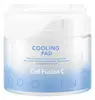
This calming toner pad uses a pre-saturated pad with Panthenol and Allantoin to calm redness and hydrate skin.
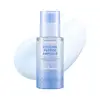
This calming ampoule is formulated around Niacinamide and Centella Asiatica Extract to calm redness and soften the look of wrinkles.

What's inside
What's inside
 Key Ingredients
Benefits
Concerns
Ingredients Side-by-side
Water
Skin ConditioningMethylpropanediol
SolventGlycerin
Humectant


Dipropylene Glycol
Humectant1,2-Hexanediol
Skin Conditioning
Hydroxyacetophenone
Antioxidant
Betaine
Humectant
Trehalose
Humectant
Polyglyceryl-10 Laurate
Skin Conditioning

Panthenol
Skin Conditioning
Xanthan Gum
EmulsifyingMethyl Diisopropyl Propionamide
MaskingCarbomer
Emulsion StabilisingDisodium EDTA
ChelatingTromethamine
BufferingAllantoin
Skin Conditioning
Glyceryl Caprylate
EmollientButylene Glycol
Humectant
Chrysanthemum Parthenium Extract
Skin ConditioningChamomilla Recutita Extract
Skin Conditioning
Pinus Pinaster Bark Extract
Antioxidant
Sodium Hyaluronate
Humectant
Acrylates/C10-30 Alkyl Acrylate Crosspolymer
Emulsion StabilisingAmmonium Acryloyldimethyltaurate/Vp Copolymer
Aspartic Acid
Masking
Guaiazulene
Antimicrobial

Glyceryl Polymethacrylate
Acetyl Hexapeptide-8
Humectant
Water, Methylpropanediol, Glycerin, Dipropylene Glycol, 1,2-Hexanediol, Hydroxyacetophenone, Betaine, Trehalose, Polyglyceryl-10 Laurate, Panthenol, Xanthan Gum, Methyl Diisopropyl Propionamide, Carbomer, Disodium EDTA, Tromethamine, Allantoin, Glyceryl Caprylate, Butylene Glycol, Chrysanthemum Parthenium Extract, Chamomilla Recutita Extract, Pinus Pinaster Bark Extract, Sodium Hyaluronate, Acrylates/C10-30 Alkyl Acrylate Crosspolymer, Ammonium Acryloyldimethyltaurate/Vp Copolymer, Aspartic Acid, Guaiazulene, Glyceryl Polymethacrylate, Acetyl Hexapeptide-8
Water
Skin ConditioningGlycerin
Humectant
Dipropylene Glycol
HumectantGlycereth-26
Humectant
Propanediol
Solvent
2,3-Butanediol
Humectant1,2-Hexanediol
Skin Conditioning
Niacinamide
Smoothing






Caprylic/Capric Triglyceride
Masking
Methyl Gluceth-20
Humectant
Octyldodeceth-16
EmulsifyingDiphenyl Dimethicone
Emollient
Butylene Glycol
Humectant
Triethylhexanoin
MaskingMethylpropanediol
SolventCarbomer
Emulsion StabilisingTromethamine
BufferingHydrogenated Lecithin
Emulsifying
Ammonium Acryloyldimethyltaurate/Vp Copolymer
Methyl Diisopropyl Propionamide
MaskingEthylhexylglycerin
Skin ConditioningPolyglyceryl-10 Oleate
Skin Conditioning
Hydroxyacetophenone
Antioxidant
Potentilla Anserina Extract
Skin ConditioningAdenosine
Skin Conditioning
Polyquaternium-51
Skin Conditioning
Avena Sativa Kernel Extract
Abrasive
Cynara Scolymus Leaf Extract
Skin ConditioningBeta-Glucan
Skin Conditioning
Glyceryl Polymethacrylate
Disodium EDTA
ChelatingCamellia Sinensis Leaf Water
Masking
Centella Asiatica Extract
Cleansing
Ficus Carica Fruit Extract
Humectant
Glyceryl Caprylate
EmollientSaccharomyces Ferment Filtrate
Humectant
Kummerowia Striata Extract
Skin ConditioningMaltodextrin
Absorbent
Ceramide NP
Skin Conditioning
Cinchona Pubescens Bark Extract
Skin ConditioningHydrolyzed Gardenia Florida Extract
Antioxidant
Lycium Chinense Fruit Extract
Antioxidant
Myristica Fragrans Extract
MaskingLeptospermum Scoparium Leaf Extract
Skin ConditioningAlbatrellus Confluens Extract
Humectant
Sodium Hyaluronate Crosspolymer
Humectant
Caprylyl Glycol
Emollient
Caffeine
Skin Conditioning
Acetyl Hexapeptide-8
Humectant
Copper Tripeptide-1
Skin Conditioning
Tripeptide-1
Skin Conditioning
Palmitoyl Pentapeptide-4
Skin Conditioning
Hexapeptide-9
Skin Conditioning
Sucrose Distearate
Emollient
Hydroxypropyl Cyclodextrin
MaskingWater, Glycerin, Dipropylene Glycol, Glycereth-26, Propanediol, 2,3-Butanediol, 1,2-Hexanediol, Niacinamide, Caprylic/Capric Triglyceride, Methyl Gluceth-20, Octyldodeceth-16, Diphenyl Dimethicone, Butylene Glycol, Triethylhexanoin, Methylpropanediol, Carbomer, Tromethamine, Hydrogenated Lecithin, Ammonium Acryloyldimethyltaurate/Vp Copolymer, Methyl Diisopropyl Propionamide, Ethylhexylglycerin, Polyglyceryl-10 Oleate, Hydroxyacetophenone, Potentilla Anserina Extract, Adenosine, Polyquaternium-51, Avena Sativa Kernel Extract, Cynara Scolymus Leaf Extract, Beta-Glucan, Glyceryl Polymethacrylate, Disodium EDTA, Camellia Sinensis Leaf Water, Centella Asiatica Extract, Ficus Carica Fruit Extract, Glyceryl Caprylate, Saccharomyces Ferment Filtrate, Kummerowia Striata Extract, Maltodextrin, Ceramide NP, Cinchona Pubescens Bark Extract, Hydrolyzed Gardenia Florida Extract, Lycium Chinense Fruit Extract, Myristica Fragrans Extract, Leptospermum Scoparium Leaf Extract, Albatrellus Confluens Extract, Sodium Hyaluronate Crosspolymer, Caprylyl Glycol, Caffeine, Acetyl Hexapeptide-8, Copper Tripeptide-1, Tripeptide-1, Palmitoyl Pentapeptide-4, Hexapeptide-9, Sucrose Distearate, Hydroxypropyl Cyclodextrin
Ingredients Explained
These ingredients are found in both products.
Ingredients higher up in an ingredient list are typically present in a larger amount.
1,2-Hexanediol is a synthetic liquid and another multi-functional powerhouse.
It is a:
- Humectant, drawing moisture into the skin
- Emollient, helping to soften skin
- Solvent, dispersing and stabilizing formulas
- Preservative booster, enhancing the antimicrobial activity of other preservatives
Acetyl Hexapeptide-8 (also known as Argireline) is a synthetic hexapeptide that is often called a "topical Botox alternative".
It works by mimicking how Botox relaxes muscles; it interferes with the signaling process that tells your facial muscles to contract. This can help soften expression lines like forehead wrinkles or crow's feet over time.
The comparison to Botox does have limits because the molecule is water-loving and relatively large.
Acetyl Hexapeptide-8 has a hard time absorbing deeply enough through the skin's outer barrier to actually reach the muscles.
So whether it truly works the way Botox does at a biological level is still up for debate, but early clinical outcomes are fairly encouraging.
A 12 week human study of a multi-ingredient regimen containing this ingredient saw:
While some studies have observed improvements in wrinkle appearance, it is important to note that more consistent results are seen in multi-ingredient formulations (vs just Acetyl Hexapeptide-8 alone).
Some research studies also used higher concentrations (up to 10%) while this ingredient is usually found in concentrations up to 0.005% in leave-on formulations.
Learn more about Acetyl Hexapeptide-8Ammonium Acryloyldimethyltaurate/Vp Copolymer is a synthetically created polymer. It's used as a film-forming agent and used to thicken the consistency of products.
Think of it as a supportive ingredient that helps your gel-creams feel silky, "cloud cream-like", and spread evenly without being greasy.
The Cosmetic Ingredient Review (CIR) Expert Panel evaluated it (along with 22 other acryloyldimethyltaurate polymers) and concluded it's:
Due to its large molecular size, it sits on the surface of skin rather than penetrating it.
Learn more about Ammonium Acryloyldimethyltaurate/Vp CopolymerButylene Glycol (or BG) is used within cosmetic products for a few different reasons:
Overall, Butylene Glycol is a safe and well-rounded ingredient that works well with other ingredients.
Though this ingredient works well with most skin types, some people with sensitive skin may experience a reaction such as allergic rashes, closed comedones, or itchiness.
Learn more about Butylene GlycolCarbomer is a synthetic thickening and gelling agent. It's basically the ingredient that gives a lot of serums, gels, creams, and sunscreens their smooth, non-sticky texture.
Although legally permitted at very high levels, carbomers are normally used at concentrations below 1%.
It also needs to be neutralized to actually thicken, and because it is a large molecule, it doesn't really penetrate the skin barrier.
Allergy-wise, the risk is very low. Clinical studies show carbomers have low potential for skin irritation/sensitization even at concentrations up to 100%.
A 2024 UK study patch-tested 1,302 patients and found true allergy to the parent group of carbomer to be rare with no confirmed relevant reactions.
Learn more about CarbomerDipropylene Glycol is a synthetically created humectant, stabilizer, and solvent.
This ingredient helps:
Dipropylene glycol is technically an alcohol, but it belongs to the glycol family (often considered part of the ‘good’ alcohols). This means it is hydrating and gentle on skin unlike drying solvent alcohols like denatured alcohol.
As a masking agent, Dipropylene Glycol can be used to cover the smell of other ingredients. However, it does not have a scent.
Studies show Dipropylene Glycol is considered safe to use in skincare.
Learn more about Dipropylene GlycolDisodium EDTA is a chelating agent. It grabs onto and deactivates metal ions that sneak into your products from water, packaging, or air.
This ingredient mainly works behind the scenes and helps with:
On top of that, this ingredient can counteract the effects of hard water by binding to the minerals in it.
One thing worth knowing is that Disodium EDTA has been shown to be a mild penetration enhancer. It can help other ingredients absorb into skin more effectively which can be a double-edged sword (great for actives, but can also make the active too strong if you have sensitive skin).
Clinical patch testing showed no significant skin irritation at typical use concentrations and minimal dermal absorption.
You'll most likely see this ingredient near the end of an ingredient list. It's typically found in concentrations less than 1%.
Learn more about Disodium EDTAGlycerin (or glycerol) is a compound naturally found in your skin. It's a powerhouse humectant that pulls water into the stratum corneum.
Topically, glycerin does several things at once:
Your skin makes glycerin on its own (mostly from sebaceous oil breakdown) and shuttles it to your outermost layer of skin, or your epidermis, via aquaporin-3.
Aquaporin-3 is a transporter that is essential for normal skin hydration, elasticity, and repair. Interestingly, mice lacking in AQP3 have dry and less elastic skin that can be fully corrected with glycerin.
This ingredient is non-irritating, plays well with almost every ingredient, and works across all skin types. Typical use is anywhere between 3-10% but can go up to 79% in some leave-on products.
Just know very high concentrations (>40%) can feel tacky in low humidity.
Glycerin is the name for this ingredient in American English. British English uses Glycerol/Glycerine.
Learn more about GlycerinGlyceryl Caprylate comes from glycerin and caprylic acid. It is an emollient, co-emulsifier, and preservative booster.
Its short C8 fatty acid chain makes it behave differently from its longer-chain emollient cousins like Glyceryl Stearate. It feels more lightweight, fast-absorbing, and silky instead of rich and waxy.
As a co-emulsifier, its "head" and "tail" sit at the oil-water interface. But overall, the short C8 tail and not being water soluble means it doesn't really have the muscle to emulsify a formula on its own. That's why you'll often see it paired with a primary emulsifier like Cetearyl Glucoside.
Interestingly, Glyceryl Caprylate acts as a preservative booster. This is because its fatty-acid backbone disrupts microbial lipid membranes. It shows excellent activity against bacteria and yeast but is weaker against mold.
Typical concentrations range from 0.5-1% and this ingredient is generally non-irritating.
Because this ingredient has a C8 fatty acid chain, it is outside the range that the Malassezia yeast metabolizes (making it fungal acne safe).
Learn more about Glyceryl CaprylateThis is a synthetic polymer made by combining glycerin with polymethacrylic acid.
It is a non-drying, non-greasy moisturizer that helps enhance the feel and slip of formulations, helps stabilize emulsions, creates a film, and controls viscosity.
As a film former, it creates a light and flexible layer on the skin's surface. This helps lock in moisture without feeling heavy.
It's typically used at concentrations up to 1.9% in leave-on products. CIR has concluded that these ingredients are safe in cosmetics at current use levels.
Due to its large molecule size, it doesn't readily penetrate into skin and mostly just sits on the surface. A large UK-based patch test study of over 1,300 patients found that sensitization to related acrylate copolymers is rare.
Learn more about Glyceryl PolymethacrylateHydroxyacetophenone is a small phenolic molecule that earns its place in a formulas as an antioxidant and preservative booster.
As a phenol, it is able to neutralize free radicals to protect both the product and the skin from oxidative stress.
Though it can't kill microbes on its own, it works as a good supporting agent when combined with other preservatives like Phenoxyethanol or 1,2-Hexanediol.
This ingredient naturally occurs as piceol in Norwegian spruce needles (~0.4-1.1% dry weight and in cloudberries). Though the cosmetic-grade material is synthesized for purity and consistency.
You'll usually see it used at low levels and suppliers recommend up to 1% added to a water phase.
Safety testing was done at concentrations like 0.05% in SPF products and 0.5% in a Human Repeated Insult Patch Test. The safety evidence is assuring; this ingredient is safe for cosmetics in current use and also holds safety status as a food flavoring as well.
An honest caveat: the "soothing" and "anti-inflammatory" claims come mostly from supplier marketing rather than published clinical trials. The Cosmetic Ingredient Review's own literature search found no useful efficacy studies on this ingredient.
So the antioxidant and preservative-boosting roles are the well supported ones while the calming benefit is plausible but thinly evidenced.
Overall, this is a well-tolerated, low-irritation multitasker that quietly helps a formula stay fresh and stable.
Learn more about HydroxyacetophenoneWe don't have a description for Methyl Diisopropyl Propionamide yet.
Methylpropanediol is a synthetic solvent and humectant.
As a solvent, it helps dissolve other ingredients, helping to evenly distribute ingredients throughout the product. This ingredient has also been shown to have antimicrobial properties which makes it a preservative booster.
Methylpropanediol is able to add a bit of moisture to the skin. It also helps other ingredients be better absorbed into the skin, such as salicylic acid.
Learn more about MethylpropanediolTromethamine (aka THAM) is a synthetic amino acid that shows up in skincare as a helper ingredient.
It functions as a pH adjuster to help neutralize acidic ingredients and set a formula's pH to the right spot.
This matters a lot because a lot of actives (like vitamin C) needs a specific pH to work well and feel comfortable on skin.
Concentration use ranges from 0.1-1.0% depending on the formula.
Learn more about TromethamineWater. It's the most common cosmetic ingredient of all. You'll usually see it at the top of ingredient lists, meaning that it makes up the largest part of the product.
So why is it so popular? Water most often acts as a solvent - this means that it helps dissolve other ingredients into the formulation.
You'll also recognize water as that liquid we all need to stay alive. If you see this, drink a glass of water. Remember to stay hydrated!
Learn more about Water

