

What's inside
What's inside
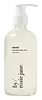 Key Ingredients
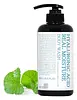
Benefits
Concerns
Ingredients Side-by-side
Water
Skin ConditioningSodium C14-16 Olefin Sulfonate
Cleansing

Disodium Cocoamphodiacetate
CleansingCocamide Dipa
Emulsifying
Glycerin
Humectant


Sodium Chloride
MaskingCaprylyl Glycol
Emollient
Citric Acid
Buffering


Hydroxypropyl Methylcellulose
Emulsion StabilisingAloe Barbadensis Leaf Juice
Skin Conditioning

Sodium Dehydroacetate
Preservative
Tocopheryl Acetate
Antioxidant

Althaea Officinalis Root Extract
Skin Conditioning
Avena Sativa Kernel Extract
Abrasive
Calendula Officinalis Flower Extract
Masking
Camellia Sinensis Extract
Antioxidant
Chamomilla Recutita Extract
Skin Conditioning
Lavandula Angustifolia Extract
Skin Conditioning
Prunus Amygdalus Dulcis Fruit Extract
Skin ConditioningTrifolium Pratense Extract
Skin ConditioningCamellia Sinensis Leaf Extract
Antimicrobial

Glycyrrhiza Glabra Root Extract
Bleaching
Hedychium Spicatum Extract
Skin ConditioningOlea Europaea Leaf Extract
Perfuming
Pinus Pinaster Bark Extract
Antioxidant
Punica Granatum Extract
AstringentRosmarinus Officinalis Leaf Extract
AntimicrobialTheobroma Cacao Extract
Skin ConditioningVitis Vinifera Seed Extract
Antimicrobial
Water, Sodium C14-16 Olefin Sulfonate, Disodium Cocoamphodiacetate, Cocamide Dipa, Glycerin, Sodium Chloride, Caprylyl Glycol, Citric Acid, Hydroxypropyl Methylcellulose, Aloe Barbadensis Leaf Juice, Sodium Dehydroacetate, Tocopheryl Acetate, Althaea Officinalis Root Extract, Avena Sativa Kernel Extract, Calendula Officinalis Flower Extract, Camellia Sinensis Extract, Chamomilla Recutita Extract, Lavandula Angustifolia Extract, Prunus Amygdalus Dulcis Fruit Extract, Trifolium Pratense Extract, Camellia Sinensis Leaf Extract, Glycyrrhiza Glabra Root Extract, Hedychium Spicatum Extract, Olea Europaea Leaf Extract, Pinus Pinaster Bark Extract, Punica Granatum Extract, Rosmarinus Officinalis Leaf Extract, Theobroma Cacao Extract, Vitis Vinifera Seed Extract
Water
Skin ConditioningSodium Laureth Sulfate
Cleansing

Glycerin
Humectant
Propylene Glycol
Humectant
Cocamide Mea
Emulsifying
Lauramide DEA
Foam BoostingPolyquaternium-10
Cocamidopropyl Betaine
Cleansing
Sodium Chloride
MaskingSodium Benzoate
Masking
Chlorphenesin
Antimicrobial
Butylene Glycol
Humectant
1,2-Hexanediol
Skin Conditioning
Pinus Palustris Leaf Extract
TonicUlmus Davidiana Root Extract
Skin Conditioning
Oenothera Biennis Flower Extract
AstringentPueraria Lobata Root Extract
HumectantCamellia Sinensis Leaf Extract
Antimicrobial
Artemisia Princeps Extract
Skin Conditioning
Centella Asiatica Extract
Cleansing
Citric Acid
Buffering
Sodium Hyaluronate
Humectant
Hamamelis Virginiana Leaf Extract
Skin Conditioning
Nelumbium Speciosum Flower Extract
Skin ConditioningSolanum Melongena Fruit Extract
Skin ConditioningMelaleuca Alternifolia Leaf Extract
Perfuming
Hydrolyzed Collagen Extract
Skin Protecting
Dipropylene Glycol
HumectantHippophae Rhamnoides Fruit Extract
Skin Conditioning
Ascorbic Acid
Antioxidant
Squalane
Emollient
Beta-Glucan
Skin Conditioning
Disodium EDTA
ChelatingParfum
Masking
Citral
Perfuming
Geraniol
Perfuming
Limonene
Perfuming
Linalool
Perfuming
Water, Sodium Laureth Sulfate, Glycerin, Propylene Glycol, Cocamide Mea, Lauramide DEA, Polyquaternium-10, Cocamidopropyl Betaine, Sodium Chloride, Sodium Benzoate, Chlorphenesin, Butylene Glycol, 1,2-Hexanediol, Pinus Palustris Leaf Extract, Ulmus Davidiana Root Extract, Oenothera Biennis Flower Extract, Pueraria Lobata Root Extract, Camellia Sinensis Leaf Extract, Artemisia Princeps Extract, Centella Asiatica Extract, Citric Acid, Sodium Hyaluronate, Hamamelis Virginiana Leaf Extract, Nelumbium Speciosum Flower Extract, Solanum Melongena Fruit Extract, Melaleuca Alternifolia Leaf Extract, Hydrolyzed Collagen Extract, Dipropylene Glycol, Hippophae Rhamnoides Fruit Extract, Ascorbic Acid, Squalane, Beta-Glucan, Disodium EDTA, Parfum, Citral, Geraniol, Limonene, Linalool
Ingredients Explained
These ingredients are found in both products.
Ingredients higher up in an ingredient list are typically present in a larger amount.
Camellia Sinensis Leaf Extract (tea extract) is one of the most well-researched plant extracts in skincare with an impressive resume.
Black tea, green tea, and oolong tea are all harvested from the Camellia Sinensis plant.
Studies show green tea extract and its catechins (like epigallocatechin gallate (EGCG)) help your skin cells product energy more efficiently and reducing the number of free-radicals that can damage your skin from the inside.
In lab-grown skin models, this translated to younger, healthier, and stronger skin.
There's also good sun protection data; researchers saw less DNA damage and redness on human skin when green tea was applied before UVB exposure. And the more they applied, the better the protection.
Needless to say, this ingredient shouldn't replace your sunscreen. But it is a great supportive ingredient that you can already find in many sunscreens and antioxidant serums.
A 2009 study found a 2% green tea lotion was effective for mild-to-moderate acne thanks to its anti-inflammatory and mild antimicrobial activity.
The quality of the extract matters a lot here:
Good extracts contain 50-90% catechins while lower quality ones are mostly there for marketing. We recommend reaching out to the brand if you have questions about the quality or source of their ingredients.
Human Repeated Insult Patch Testing showed no irritation or sensitization at use concentrations (0.86% in leave-on products and up to 30% as leaf water).
Learn more about Camellia Sinensis Leaf ExtractCitric Acid is an alpha hydroxy acid (AHA) naturally found in citrus fruits like oranges, lemons, and limes.
Like other AHAs, citric acid can exfoliate skin by breaking down the bonds that hold dead skin cells together. This helps reveal smoother and brighter skin underneath.
However, this exfoliating effect only happens at high concentrations (20%) which can be hard to find in cosmetic products.
Due to this, citric acid is usually included in small amounts as a pH adjuster. This helps keep products slightly more acidic and compatible with skin's natural pH.
In skincare formulas, citric acid can:
While it can provide some skin benefits, research shows lactic acid and glycolic acid are generally more effective and less irritating exfoliants.
Most citric acid used in skincare today is made by fermenting sugars (usually from molasses). This synthetic version is identical to the natural citrus form but easier to stabilize and use in formulations.
Rosacea skin has a lower threshold for acids generally, with 62.5% of rosacea subjects in one study reacting to lactic acid in a sting test. This is why we mark citric acid as a potential rosacea trigger.
However, this ingredient shows up as a pH adjuster or chelator at roughly 0.1-1% in many products. These low levels are unlikely to be an issue for rosacea skin and becomes a potential trigger at exfoliating concentrations (20%). Because everybody's skin is unique, we recommend a patch test if you are unsure.
Learn more about Citric AcidGlycerin (or glycerol) is a compound naturally found in your skin. It's a powerhouse humectant that pulls water into the stratum corneum.
Topically, glycerin does several things at once:
Your skin makes glycerin on its own (mostly from sebaceous oil breakdown) and shuttles it to your outermost layer of skin, or your epidermis, via aquaporin-3.
Aquaporin-3 is a transporter that is essential for normal skin hydration, elasticity, and repair. Interestingly, mice lacking in AQP3 have dry and less elastic skin that can be fully corrected with glycerin.
This ingredient is non-irritating, plays well with almost every ingredient, and works across all skin types. Typical use is anywhere between 3-10% but can go up to 79% in some leave-on products.
Just know very high concentrations (>40%) can feel tacky in low humidity.
Glycerin is the name for this ingredient in American English. British English uses Glycerol/Glycerine.
Learn more about GlycerinChances are, you eat sodium chloride every day. Sodium Chloride is also known as table salt. This ingredient has many purposes in skincare: thickener, emulsifier, and exfoliator.
You'll most likely find this ingredient in cleansers where it is used to create a gel-like texture. As an emulsifier, it also prevents ingredients from separating.
You might see people debate whether Sodium Chloride is comedogenic, but there actually haven't been any comedogenic tests done on it. Either way, the overall formulation of a product matters a lot more than any single ingredient.
You might see this ingredient used in scrubs as a primary exfoliating ingredient.
Learn more about Sodium ChlorideWater. It's the most common cosmetic ingredient of all. You'll usually see it at the top of ingredient lists, meaning that it makes up the largest part of the product.
So why is it so popular? Water most often acts as a solvent - this means that it helps dissolve other ingredients into the formulation.
You'll also recognize water as that liquid we all need to stay alive. If you see this, drink a glass of water. Remember to stay hydrated!
Learn more about Water

