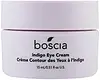
This barrier-repair eye moisturizer is formulated around Butyrospermum Parkii Butter and Ginkgo Biloba Leaf Extract to strengthen the skin barrier and hydrate skin.
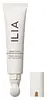
This anti-aging eye moisturizer is formulated around Caffeine and Acetyl Hexapeptide-8 to soften the look of wrinkles.

What's inside
What's inside
 Key Ingredients
Benefits
Concerns
Ingredients Side-by-side
Water
Skin ConditioningGlycerin
Humectant


Pentaerythrityl Tetraethylhexanoate
Emollient
Propanediol
Solvent
Butyrospermum Parkii Butter
Skin Conditioning




Cetyl Alcohol
Emollient

Melia Azadirachta Flower Extract
Skin ConditioningBehenyl Alcohol
Emollient
Myristyl Myristate
Emollient
Tephrosia Purpurea Seed Extract
Skin ConditioningFucus Vesiculosus Extract
Emollient
Ginkgo Biloba Leaf Extract
Skin Conditioning

Theobroma Cacao Seed Extract
Antioxidant
Persea Gratissima Oil
Skin Conditioning
Prunus Amygdalus Dulcis Oil
Skin Conditioning
Sesamum Indicum Seed Oil
Emollient
Simmondsia Chinensis Seed Extract
Abrasive
Epilobium Angustifolium Flower/Leaf/Stem Extract
Skin ConditioningCoccinia Indica Fruit Extract
Skin Conditioning
Colocasia Esculenta Root Extract
Skin ConditioningSodium Hyaluronate
Humectant

Leuconostoc/Radish Root Ferment Filtrate
Antimicrobial
1,2-Hexanediol
Skin Conditioning
Caprylyl Glycol
Emollient
Hydroxyacetophenone
Antioxidant
Butylene Glycol
Humectant
Sodium Acrylate/Sodium Acryloyldimethyl Taurate Copolymer
Emulsion StabilisingTocopherol
Antioxidant


Hexylene Glycol
EmulsifyingXanthan Gum
EmulsifyingIsohexadecane
EmollientGlyceryl Stearate
Emollient
Polysorbate 80
Emulsifying
PEG-100 Stearate
Surfactant
Mica
Cosmetic ColorantCI 77891
Cosmetic ColorantWater, Glycerin, Pentaerythrityl Tetraethylhexanoate, Propanediol, Butyrospermum Parkii Butter, Cetyl Alcohol, Melia Azadirachta Flower Extract, Behenyl Alcohol, Myristyl Myristate, Tephrosia Purpurea Seed Extract, Fucus Vesiculosus Extract, Ginkgo Biloba Leaf Extract, Theobroma Cacao Seed Extract, Persea Gratissima Oil, Prunus Amygdalus Dulcis Oil, Sesamum Indicum Seed Oil, Simmondsia Chinensis Seed Extract, Epilobium Angustifolium Flower/Leaf/Stem Extract, Coccinia Indica Fruit Extract, Colocasia Esculenta Root Extract, Sodium Hyaluronate, Leuconostoc/Radish Root Ferment Filtrate, 1,2-Hexanediol, Caprylyl Glycol, Hydroxyacetophenone, Butylene Glycol, Sodium Acrylate/Sodium Acryloyldimethyl Taurate Copolymer, Tocopherol, Hexylene Glycol, Xanthan Gum, Isohexadecane, Glyceryl Stearate, Polysorbate 80, PEG-100 Stearate, Mica, CI 77891
Water
Skin ConditioningCaprylic/Capric Triglyceride
Masking
Persea Gratissima Oil
Skin Conditioning
Propanediol
Solvent
Glycerin
Humectant
Pentylene Glycol
Skin Conditioning
Cetearyl Alcohol
Emollient
Candelilla/Jojoba/Rice Bran Polyglyceryl-3 Esters
Emulsifying
Jojoba Oil/Macadamia Seed Oil Esters
Skin Conditioning
Brassica Campestris/Aleurites Fordi Oil Copolymer
Skin Conditioning
Silica
Abrasive

Glyceryl Stearate
Emollient
Sodium Polyacryloyldimethyl Taurate
Emulsion StabilisingBehenyl Alcohol
Emollient
Caffeine
Skin Conditioning
Moringa Oil/Hydrogenated Moringa Oil Esters
Skin Conditioning
Sodium Stearoyl Lactylate
EmulsifyingMica
Cosmetic ColorantHydroxyacetophenone
Antioxidant
Caprylyl Glycol
Emollient
1,2-Hexanediol
Skin Conditioning
Squalene
Emollient
Caprylic/Capric/Succinic Triglyceride
EmollientXanthan Gum
EmulsifyingCitric Acid
Buffering
Sodium Phytate
ChelatingPhytosteryl Macadamiate
Skin Conditioning
Persea Gratissima Fruit Extract
EmollientCrithmum Maritimum Extract
Skin ConditioningPhytosterols
Skin Conditioning
Tocopherol
Antioxidant
Acetyl Hexapeptide-8
Humectant
Sodium Citrate
BufferingCI 77891
Cosmetic ColorantCI 77491
Cosmetic ColorantWater, Caprylic/Capric Triglyceride, Persea Gratissima Oil, Propanediol, Glycerin, Pentylene Glycol, Cetearyl Alcohol, Candelilla/Jojoba/Rice Bran Polyglyceryl-3 Esters, Jojoba Oil/Macadamia Seed Oil Esters, Brassica Campestris/Aleurites Fordi Oil Copolymer, Silica, Glyceryl Stearate, Sodium Polyacryloyldimethyl Taurate, Behenyl Alcohol, Caffeine, Moringa Oil/Hydrogenated Moringa Oil Esters, Sodium Stearoyl Lactylate, Mica, Hydroxyacetophenone, Caprylyl Glycol, 1,2-Hexanediol, Squalene, Caprylic/Capric/Succinic Triglyceride, Xanthan Gum, Citric Acid, Sodium Phytate, Phytosteryl Macadamiate, Persea Gratissima Fruit Extract, Crithmum Maritimum Extract, Phytosterols, Tocopherol, Acetyl Hexapeptide-8, Sodium Citrate, CI 77891, CI 77491
Ingredients Explained
These ingredients are found in both products.
Ingredients higher up in an ingredient list are typically present in a larger amount.
1,2-Hexanediol is a synthetic liquid and another multi-functional powerhouse.
It is a:
- Humectant, drawing moisture into the skin
- Emollient, helping to soften skin
- Solvent, dispersing and stabilizing formulas
- Preservative booster, enhancing the antimicrobial activity of other preservatives
Behenyl Alcohol is a type of fatty alcohol (these are different from the drying, solvent alcohols).
Fatty Alcohols have hydrating properties and are most often used as an emollient or to thicken a product. They are usually derived from natural fats and oils; behenyl alcohol is derived from the fats of vegetable oils.
Emollients help keep your skin soft and hydrated by creating a film that traps moisture in.
In 2000, Behenyl Alcohol was approved by the US as medicine to reduce the duration of cold sores.
Learn more about Behenyl AlcoholCaprylyl Glycol is a humectant, skin conditioner, emollient, and preservative booster derived from either caprylic acid or synthetically created.
Typical use levels vary from 0.3-1% as a preservative booster and go up to 2% to condition skin.
Because it is not a free-fatty acid, this ingredient is fungal acne safe (there's nothing for Malassezia to feed on).
Learn more about Caprylyl GlycolCi 77891 is a white pigment from Titanium dioxide. It is naturally found in minerals such as rutile and ilmenite.
It's main function is to add a white color to cosmetics. It can also be mixed with other colors to create different shades.
Ci 77891 is commonly found in sunscreens due to its ability to block UV rays.
Learn more about CI 77891Glycerin (or glycerol) is a compound naturally found in your skin. It's a powerhouse humectant that pulls water into the stratum corneum.
Topically, glycerin does several things at once:
Your skin makes glycerin on its own (mostly from sebaceous oil breakdown) and shuttles it to your outermost layer of skin, or your epidermis, via aquaporin-3.
Aquaporin-3 is a transporter that is essential for normal skin hydration, elasticity, and repair. Interestingly, mice lacking in AQP3 have dry and less elastic skin that can be fully corrected with glycerin.
This ingredient is non-irritating, plays well with almost every ingredient, and works across all skin types. Typical use is anywhere between 3-10% but can go up to 79% in some leave-on products.
Just know very high concentrations (>40%) can feel tacky in low humidity.
Glycerin is the name for this ingredient in American English. British English uses Glycerol/Glycerine.
Learn more about GlycerinGlyceryl Stearate is made by reacting glycerin with stearic acid (typically sourced from plant oils like palm or coconut). It's an emulsifier, emollient, and mild occlusive.
Emulsifiers help ingredients like oil and water stay mixed so your formula stays nicely blended and uniform in texture.
This ingredient is typically used in concentrations between 1-10%. Studies have found it to be non-sensitizing, non-phototoxic, and non-photoallergenic.
A close cousin of this ingredient is Glyceryl Stearate SE ("self-emulsifying"). This just has a small amount of sodium or potassium stearate added so it can emulsify without a co-emulsifier.
Since this ingredient is an ester of a C18 fatty acid, it may not be fungal acne safe. The Malassezia yeast can potentially metabolize within the C11-C24 range.
Fun fact: The human body also creates Glyceryl Stearate naturally.
Learn more about Glyceryl StearateHydroxyacetophenone is a small phenolic molecule that earns its place in a formulas as an antioxidant and preservative booster.
As a phenol, it is able to neutralize free radicals to protect both the product and the skin from oxidative stress.
Though it can't kill microbes on its own, it works as a good supporting agent when combined with other preservatives like Phenoxyethanol or 1,2-Hexanediol.
This ingredient naturally occurs as piceol in Norwegian spruce needles (~0.4-1.1% dry weight and in cloudberries). Though the cosmetic-grade material is synthesized for purity and consistency.
You'll usually see it used at low levels and suppliers recommend up to 1% added to a water phase.
Safety testing was done at concentrations like 0.05% in SPF products and 0.5% in a Human Repeated Insult Patch Test. The safety evidence is assuring; this ingredient is safe for cosmetics in current use and also holds safety status as a food flavoring as well.
An honest caveat: the "soothing" and "anti-inflammatory" claims come mostly from supplier marketing rather than published clinical trials. The Cosmetic Ingredient Review's own literature search found no useful efficacy studies on this ingredient.
So the antioxidant and preservative-boosting roles are the well supported ones while the calming benefit is plausible but thinly evidenced.
Overall, this is a well-tolerated, low-irritation multitasker that quietly helps a formula stay fresh and stable.
Learn more about HydroxyacetophenoneMica is a naturally occurring mineral used to add shimmer and color in cosmetics. It can also help improve the texture of a product or give it an opaque, white/silver color.
Serecite is the name for very fine but ragged grains of mica.
This ingredient is often coated with metal oxides like titanium dioxide. Trace amounts of heavy metals may be found in mica, but these metals are not harmful in our personal products.
Mica has been used since prehistoric times throughout the world. Ancient Egyptian, Indian, Greek, Roman, Aztec, and Chinese civilizations have used mica.
Learn more about MicaThis ingredient is also known as Avocado oil. It's the cold-pressed oil from the flesh of the avocado fruit packed with fatty acids (mostly oleic acid).
The rich fatty acid profile allows it to function as a skin conditioning agent and emollient; it helps soften and smooth skin while reducing water loss.
Preclinical research has found that topical avocado oil increased collagen synthesis and reduced inflammation during wound healing, giving it some skin-repairing credibility.
The unsaponifiable fraction of the oil is also interesting: studies on avocado unsaponifiables showed that it helped skin produce more collagen and other structural compounds that support healing.
The CIR Expert Panel has found this ingredient to be non-irritating in formulations.
This ingredient may not be fungal acne safe. This is because the oleic acid content falls within the range that Malassezia can use as a food source.
This ingredient does have a comedogenic rating of 0-3, but this doesn't mean a formula with this ingredient will clog pores. Human testing has proved that any finished product with a comedogenic ingredient won't automatically make you break out; it really comes down to concentration, formula, and your skin.
Learn more about Persea Gratissima OilPropanediol is an all-star ingredient. It softens, hydrates, and smooths the skin.
It’s often used to:
Propanediol is not likely to cause sensitivity and considered safe to use. It is derived from corn or petroleum with a clear color and no scent.
Learn more about PropanediolTocopherol is a fat-soluble antioxidant known as Vitamin E.
You'll find this ingredient in the vast majority of skincare (for good reason). It works to neutralize free radicals, or unstable molecules generated by UV exposure, pollution, and other environmental stressors, before they can cause oxidative damage to your skin cells.
Topically applied tocopherol has been shown to protect against UV damage by ramping up the skin's own natural defense enzymes.
It also acts as a skin conditioning agent; some studies show that regular topical use can improve the skin's water-binding capacity over 2-4 weeks.
This ingredient is especially loved for being a team player. When combined with Vitamin C, the photoprotective effect of both ingredients roughly doubles and the combo also helps reduce UV-induced DNA damage.
This ingredient has some brightening potential but it's more of a prevention ingredient than spot-fader. Cell studies show it can slow down melanin production but it's worth noting that it's not the most powerful brightener out there.
In formulations, it also serves as a stabilizer that helps protect other oxidation-prone ingredients from degrading.
Concentrations usually range from 0.1-1% in most leave-on products.
Learn more about TocopherolWater. It's the most common cosmetic ingredient of all. You'll usually see it at the top of ingredient lists, meaning that it makes up the largest part of the product.
So why is it so popular? Water most often acts as a solvent - this means that it helps dissolve other ingredients into the formulation.
You'll also recognize water as that liquid we all need to stay alive. If you see this, drink a glass of water. Remember to stay hydrated!
Learn more about WaterXanthan gum is used as a stabilizer and thickener within cosmetic products. It helps give products a sticky, thick feeling - preventing them from being too runny.
On the technical side of things, xanthan gum is a polysaccharide - a combination consisting of multiple sugar molecules bonded together.
Xanthan gum is a pretty common and great ingredient. It is a natural, non-toxic, non-irritating ingredient that is also commonly used in food products.
Learn more about Xanthan Gum

