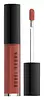
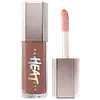
Bobbi Brown Crushed Oil-Infused Tinted Lip Gloss Versus Fenty Beauty Gloss Bomb Heat Universal Lip Luminizer + Plumper

What's inside
What's inside
 Key Ingredients
Benefits
Concerns
Ingredients Side-by-side
Hydrogenated Polyisobutene
EmollientPolybutene
Pentaerythrityl Tetraisostearate
Emollient

Ethylene/Propylene/Styrene Copolymer
C12-15 Alkyl Benzoate
AntimicrobialOlea Europaea Fruit Oil
Masking




Prunus Armeniaca Kernel Oil
Masking
Tocopheryl Acetate
Antioxidant


Aleurites Moluccanus Seed Oil
Skin Conditioning
Persea Gratissima Oil
Skin Conditioning
Simmondsia Chinensis Seed Oil
Emollient

Coffea Arabica Seed Oil
Masking
Salicornia Herbacea Extract
Skin ConditioningCaprylic/Capric Triglyceride
Masking
Ricinus Communis Seed Oil
Masking
Sodium Hyaluronate
Humectant


Lecithin
Emollient
Tetrahexyldecyl Ascorbate
Antioxidant


Hydrogenated Castor Oil
Emollient
Butylene/Ethylene/Styrene Copolymer
Parfum
Masking

BHT
Antioxidant
Linalool
Perfuming
Benzyl Benzoate
Antimicrobial
Limonene
Perfuming
Phenoxyethanol
Preservative
Mica
Cosmetic ColorantCI 15850
Cosmetic ColorantCI 15985
Cosmetic ColorantCI 77499
Cosmetic ColorantCI 77400
Cosmetic ColorantCI 77491
Cosmetic ColorantCI 77492
Cosmetic ColorantCI 77891
Cosmetic ColorantCI 77742
Cosmetic ColorantCI 19140
Cosmetic ColorantCI 45380
Cosmetic ColorantCI 73360
Cosmetic ColorantCI 77163
Cosmetic Colorant
CI 17200
Cosmetic ColorantCI 45370
Cosmetic ColorantCI 45410
Cosmetic ColorantCI 42090
Cosmetic ColorantHydrogenated Polyisobutene, Polybutene, Pentaerythrityl Tetraisostearate, Ethylene/Propylene/Styrene Copolymer, C12-15 Alkyl Benzoate, Olea Europaea Fruit Oil, Prunus Armeniaca Kernel Oil, Tocopheryl Acetate, Aleurites Moluccanus Seed Oil, Persea Gratissima Oil, Simmondsia Chinensis Seed Oil, Coffea Arabica Seed Oil, Salicornia Herbacea Extract, Caprylic/Capric Triglyceride, Ricinus Communis Seed Oil, Sodium Hyaluronate, Lecithin, Tetrahexyldecyl Ascorbate, Hydrogenated Castor Oil, Butylene/Ethylene/Styrene Copolymer, Parfum, BHT, Linalool, Benzyl Benzoate, Limonene, Phenoxyethanol, Mica, CI 15850, CI 15985, CI 77499, CI 77400, CI 77491, CI 77492, CI 77891, CI 77742, CI 19140, CI 45380, CI 73360, CI 77163, CI 17200, CI 45370, CI 45410, CI 42090
Polybutene
Octyldodecanol
Emollient
Bis-Diglyceryl Polyacyladipate-2
Emollient
Tricaprylin
Perfuming
Cera Microcristallina
Emulsion StabilisingHydrogenated Polyisobutene
EmollientPolyethylene
Abrasive
Silica Dimethyl Silylate
EmollientButyrospermum Parkii Butter
Skin Conditioning
Vp/Eicosene Copolymer
Sorbitan Oleate
Emulsifying
Vp/Hexadecene Copolymer
Silica
Abrasive
Ethylhexyl Palmitate
Emollient
Caprylyl Glycol
Emollient
Aroma
Parfum
Masking
Octyldodecyl Neopentanoate
EmollientButyrospermum Parkii Butter Unsaponifiables
Skin Conditioning
Tribehenin
Emollient
Mica
Cosmetic ColorantPentaerythrityl Tetra-Di-T-Butyl Hydroxyhydrocinnamate
Antioxidant
Methyl Nicotinate
SoothingSorbitan Isostearate
Emulsifying
Tocopherol
Antioxidant
Tocopheryl Acetate
Antioxidant
Vanillyl Butyl Ether
MaskingCapsicum Frutescens Fruit Extract
Skin Conditioning
Glycine Soja Oil
Emollient
Zingiber Officinale Root Oil
Masking
Synthetic Fluorphlogopite
Tetrahexyldecyl Ascorbate
Antioxidant
Lactic Acid
Buffering
Calcium Sodium Borosilicate
Calcium Aluminum Borosilicate
Palmitoyl Tripeptide-1
Skin Conditioning
Tin Oxide
Abrasive
Benzyl Benzoate
Antimicrobial
Limonene
Perfuming
CI 77491
Cosmetic ColorantCI 77492
Cosmetic ColorantCI 77499
Cosmetic ColorantCI 15850
Cosmetic ColorantCI 77891
Cosmetic ColorantPolybutene, Octyldodecanol, Bis-Diglyceryl Polyacyladipate-2, Tricaprylin, Cera Microcristallina, Hydrogenated Polyisobutene, Polyethylene, Silica Dimethyl Silylate, Butyrospermum Parkii Butter, Vp/Eicosene Copolymer, Sorbitan Oleate, Vp/Hexadecene Copolymer, Silica, Ethylhexyl Palmitate, Caprylyl Glycol, Aroma, Parfum, Octyldodecyl Neopentanoate, Butyrospermum Parkii Butter Unsaponifiables, Tribehenin, Mica, Pentaerythrityl Tetra-Di-T-Butyl Hydroxyhydrocinnamate, Methyl Nicotinate, Sorbitan Isostearate, Tocopherol, Tocopheryl Acetate, Vanillyl Butyl Ether, Capsicum Frutescens Fruit Extract, Glycine Soja Oil, Zingiber Officinale Root Oil, Synthetic Fluorphlogopite, Tetrahexyldecyl Ascorbate, Lactic Acid, Calcium Sodium Borosilicate, Calcium Aluminum Borosilicate, Palmitoyl Tripeptide-1, Tin Oxide, Benzyl Benzoate, Limonene, CI 77491, CI 77492, CI 77499, CI 15850, CI 77891
Reviews
Ingredients Explained
These ingredients are found in both products.
Ingredients higher up in an ingredient list are typically present in a larger amount.
Benzyl Benzoate is usually created from the condensation of benzoic acid and benzyl alcohol. It is used as a preservative, solvent, and has a floral/balsamic scent in large amounts.
As a preservative, Benzyl Benzoate works against bacteria and fungus. It is often used to treat scabies and lice in medicine.
Solvents are used to keep ingredients together in a product. They can help dissolve ingredients to stable bases or help evenly distribute ingredients throughout the product.
Due to its fragrance, Benzyl Benzoate can be sensitizing and may cause contact dermatitis. It is a known EU allergen. We recommend speaking with a professional if you have any concerns.
Benzyl Benzoate can be naturally found in cranberries and peaches.
Learn more about Benzyl BenzoateCi 15850 is the pigment color red. It is an azo dye and created synthetically.
Azo dyes need to be thoroughly purified before use. This allows them to be more stable and longer-lasting.
This ingredient is common in foundations, lipsticks, and blushes. This color is described as brown/orangey red.
It has many secondary names such as Red 6 and Red 7. According to a manufacturer, Red 6 usually contains aluminum.
Learn more about CI 15850Ci 77491 is also hydrated iron III oxide. It's sole purpose is to give a red/pink hue to products.
Iron III oxides are classified as inorganic chemicals for coloring.
Synthetically created Ci 77491 is considered safer than those naturally found. This is because the synthetically created version may contain less impurities. Iron oxides are generally non-toxic and non-allergenic.
Learn more about CI 77491CI 77492 is also hydrated iron III oxide. It's sole purpose is to give a yellow hue to products.
Iron III oxides are classified as inorganic chemicals for coloring.
Synthetically created CI 77492 is considered safer than those naturally found. This is because the synthetically created version may contain less impurities. Iron oxides are generally non-toxic and non-allergenic.
Learn more about CI 77492Ci 77499 is also hydrated iron III oxide. It is created from mixing red and black iron oxides. This helps give shades of darkness to a product.
Iron III oxides are classified as inorganic chemicals for coloring.
Ci 77891 is a white pigment from Titanium dioxide. It is naturally found in minerals such as rutile and ilmenite.
It's main function is to add a white color to cosmetics. It can also be mixed with other colors to create different shades.
Ci 77891 is commonly found in sunscreens due to its ability to block UV rays.
Learn more about CI 77891Hydrogenated Polyisobutene is a synthetic polymer. Polymers are compounds with high molecular weight. Hydrogenated Polyisobutene is an emollient and texture enhancer.
In one study, Hydrogenated Polyisobutene showed better skin hydration levels than Caprylic/Capric Triglyceride. As an emollient, it helps keep your skin soft and hydrated by trapping moisture in.
Hydrogenated Polyisobutene is often used as a mineral oil replacement.
Learn more about Hydrogenated PolyisobuteneLimonene is the compound that gives citrus peel its smell.
In skincare, it shows up as a standalone fragrance ingredient or as a natural compound of citrus and other essential oils.
You'll typically see this ingredient used in very small amounts; anything above 0.001% in a leave-on product or 0.01% in a rinse-off has to be named on the label in the EU. The citrus oils that carry it sit around 0.5-1% in a finished formula.
Fresh limonene is a weak allergen; the real issue is that it slowly reacts with air and then breaks down from oxidation to create hydroperoxides (which are strong sensitizers). This is why suppliers are required to keep the peroxide value below 20 mmol.
Positive reactions in people being investigated for eczema vary:
It's worth skipping if you have a known fragrance allergy or a compromised barrier, but the risk is low for most people.
Older or long-opened products are also more likely to bother you than fresh ones due to oxidation.
Learn more about LimoneneMica is a naturally occurring mineral used to add shimmer and color in cosmetics. It can also help improve the texture of a product or give it an opaque, white/silver color.
Serecite is the name for very fine but ragged grains of mica.
This ingredient is often coated with metal oxides like titanium dioxide. Trace amounts of heavy metals may be found in mica, but these metals are not harmful in our personal products.
Mica has been used since prehistoric times throughout the world. Ancient Egyptian, Indian, Greek, Roman, Aztec, and Chinese civilizations have used mica.
Learn more about MicaParfum is a catch-all term for an ingredient or more that is used to give a scent to products.
Also called "fragrance", this ingredient can be a blend of hundreds of chemicals or plant oils. This means every product with "fragrance" or "parfum" in the ingredients list is a different mixture.
For instance, Habanolide is a proprietary trade name for a specific aroma chemical. When used as a fragrance ingredient in cosmetics, most aroma chemicals fall under the broad labeling category of “FRAGRANCE” or “PARFUM” according to EU and US regulations.
The term 'parfum' or 'fragrance' is not regulated in many countries. In many cases, it is up to the brand to define this term.
For instance, many brands choose to label themselves as "fragrance-free" because they are not using synthetic fragrances. However, their products may still contain ingredients such as essential oils that are considered a fragrance by INCI standards.
One example is Calendula flower extract. Calendula is an essential oil that still imparts a scent or 'fragrance'.
Depending on the blend, the ingredients in the mixture can cause allergies and sensitivities on the skin. Some ingredients that are known EU allergens include linalool and citronellol.
Parfum can also be used to mask or cover an unpleasant scent.
The bottom line is: not all fragrances/parfum/ingredients are created equally. If you are worried about fragrances, we recommend taking a closer look at an ingredient. And of course, we always recommend speaking with a professional.
Learn more about ParfumPolybutene is used to help control the viscosity of a product. This just means it helps adjusts the texture.
It is a polymer and does not get absorbed into the skin due to its large size.
Studies found this ingredient did not irritate skin in concentrations below 15%.
Learn more about PolybuteneTetrahexyldecyl Ascorbate (THD) is a stable and oil-soluble form of Vitamin C.
THD is special in that it has the ability to travel deeper into skin than traditional ascorbic acid while maintaining the same skin benefits (double win!).
Because it’s oil-soluble, THD dives deep into your skin’s fatty layers (think ceramides and cholesterol) to fight off the kind of free radicals that mess with your skin barrier. This makes it a great pair with water-based vitamin C (ascorbic acid) that mainly works on the surface.
Even at just 0.1%, THD is already showing great antioxidant activity. When used up to 2%, it helps keep your skin happy and calm, especially when it’s stressed from pollution or sun.
Want to fade dark spots or tackle hyperpigmentation? You’ll want 5% or more. Pairing it with brightening buddies like niacinamide or licorice root gives even better results. One study even used 30% THD with other brighteners and saw real results on stubborn discoloration, even in melasma-prone skin.
A note on THD: It’s has a slightly silky, oily texture and usually shows up colorless or pale yellow (though the exact shade can vary by supplier).
While you can sneak it into water-based formulas, it really shines when paired with silicones or oils, which help your skin soak it up better.
THD is pretty stable, but it’s still vulnerable to degradation like ascorbic acid. Too much light or heat (above 113°F / 45°C) can break it down over time. Go for dark and opaque packaging that keeps it safe and shady!
Read more about other types of Vitamin C:
Learn more about Tetrahexyldecyl AscorbateTocopheryl Acetate is a stable, shelf-friendly form of vitamin E.
Formulators love it because plain vitamin E oxidizes quickly once it hits air. This acetate version stays stable and resists going off, helping to extend a product's shelf life.
It's actually inactive on its own and works like a slow-release "storage" form; the enzymes in your skin called esterases gradually convert it into active vitamin E over time.
One in vivo study showed 5% of the acetate in the living layer of the epidermis converted to vitamin E after 5 days of application. This study also found the skin gained protection against UV damage even though the conversion was slow and small.
Once converted, vitamin E acts as a skin's main fat-soluble antioxidant that fights free radicals to protect skin from damage.
Topical vitamin E generally boosts the skin's photoprotection, and it reduced UV-damage in animal models.
This ingredient has some brightening potential but it's more of a prevention ingredient than spot-fader. Cell studies show it can slow down melanin production but it's worth noting that it's not the most powerful brightener out there.
Overall, it has a pretty solid safety profile and has been found to be non-irritating and non-comedogenic. Allergic reactions may happen but stay rare due to how widely the ingredient gets used.
The concentration will vary depending on the formula; industry data shows 0.1% in baby lotions, 3% in lipsticks, and 5% in foot powders. You can also find this ingredient at 100% in a pure vitamin E oil.
Most leave-on skincare keeps it at the lower end, often between 0.5-1%.
Learn more about Tocopheryl Acetate

