

What's inside
What's inside
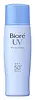 Key Ingredients
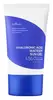
Benefits
Concerns
Ingredients Side-by-side
Cyclopentasiloxane
Emollient
Water
Skin ConditioningAlcohol
Antimicrobial




Zinc Oxide
Cosmetic Colorant


Dimethicone
Emollient
Ethylhexyl Methoxycinnamate
UV Absorber
Lauryl Methacrylate/Sodium Methacrylate Crosspolymer
C12-15 Alkyl Benzoate
AntimicrobialDiethylamino Hydroxybenzoyl Hexyl Benzoate
UV Filter
Titanium Dioxide
Cosmetic Colorant
Polymethylsilsesquioxane
Bis-Ethylhexyloxyphenol Methoxyphenyl Triazine
Skin Conditioning
Talc
Abrasive
Methicone
Emollient
PEG-12 Dimethicone
Skin Conditioning
PEG-3 Dimethicone
Skin Conditioning
Polysilicone-9
Alumina
Abrasive
Silica
Abrasive
Sodium Hyaluronate
Humectant




Phenoxyethanol
Preservative
Parfum
Masking

Cyclopentasiloxane, Water, Alcohol, Zinc Oxide, Dimethicone, Ethylhexyl Methoxycinnamate, Lauryl Methacrylate/Sodium Methacrylate Crosspolymer, C12-15 Alkyl Benzoate, Diethylamino Hydroxybenzoyl Hexyl Benzoate, Titanium Dioxide, Polymethylsilsesquioxane, Bis-Ethylhexyloxyphenol Methoxyphenyl Triazine, Talc, Methicone, PEG-12 Dimethicone, PEG-3 Dimethicone, Polysilicone-9, Alumina, Silica, Sodium Hyaluronate, Phenoxyethanol, Parfum
Water
Skin ConditioningButylene Glycol
Humectant
Ethylhexyl Salicylate
UV Absorber
Homosalate
Skin Conditioning
Dibutyl Adipate
EmollientNiacinamide
Smoothing





Bis-Ethylhexyloxyphenol Methoxyphenyl Triazine
Skin Conditioning
Cyclopentasiloxane
Emollient
Methylene Bis-Benzotriazolyl Tetramethylbutylphenol
UV Filter
Polysilicone-15
UV Filter
Diethylamino Hydroxybenzoyl Hexyl Benzoate
UV Filter
1,2-Hexanediol
Skin Conditioning
Pentylene Glycol
Skin Conditioning
Pinus Pinaster Bark Extract
Antioxidant
Ceramide NP
Skin Conditioning
Centella Asiatica Extract
Cleansing
Glycerin
Humectant
Portulaca Oleracea Extract
Skin Conditioning
Houttuynia Cordata Extract
Skin Conditioning
Olea Europaea Fruit Oil
Masking

Ficus Carica Fruit Extract
Humectant
Sodium Hyaluronate
Humectant
Ceteth-10
EmulsifyingHydrogenated Lecithin
Emulsifying
Decyl Glucoside
Cleansing
Propanediol
Solvent
Tocopherol
Antioxidant
Astaxanthin
Skin Conditioning
Hyaluronic Acid
Humectant
Sodium Hyaluronate Crosspolymer
Humectant
Ascorbyl Propyl Hyaluronate
Skin Conditioning
Hydrolyzed Hyaluronic Acid
Humectant
Hydroxypropyltrimonium Hyaluronate
Acrylates/C10-30 Alkyl Acrylate Crosspolymer
Emulsion StabilisingSodium Acetylated Hyaluronate
Humectant
Hydrolyzed Sodium Hyaluronate
Skin Conditioning
Adenosine
Skin Conditioning
Xanthan Gum
EmulsifyingCetyl PEG/PPG-10/1 Dimethicone
Emulsifying
Tromethamine
BufferingCarbomer
Emulsion StabilisingPropylene Glycol
Humectant
Ethylhexylglycerin
Skin ConditioningWater, Butylene Glycol, Ethylhexyl Salicylate, Homosalate, Dibutyl Adipate, Niacinamide, Bis-Ethylhexyloxyphenol Methoxyphenyl Triazine, Cyclopentasiloxane, Methylene Bis-Benzotriazolyl Tetramethylbutylphenol, Polysilicone-15, Diethylamino Hydroxybenzoyl Hexyl Benzoate, 1,2-Hexanediol, Pentylene Glycol, Pinus Pinaster Bark Extract, Ceramide NP, Centella Asiatica Extract, Glycerin, Portulaca Oleracea Extract, Houttuynia Cordata Extract, Olea Europaea Fruit Oil, Ficus Carica Fruit Extract, Sodium Hyaluronate, Ceteth-10, Hydrogenated Lecithin, Decyl Glucoside, Propanediol, Tocopherol, Astaxanthin, Hyaluronic Acid, Sodium Hyaluronate Crosspolymer, Ascorbyl Propyl Hyaluronate, Hydrolyzed Hyaluronic Acid, Hydroxypropyltrimonium Hyaluronate, Acrylates/C10-30 Alkyl Acrylate Crosspolymer, Sodium Acetylated Hyaluronate, Hydrolyzed Sodium Hyaluronate, Adenosine, Xanthan Gum, Cetyl PEG/PPG-10/1 Dimethicone, Tromethamine, Carbomer, Propylene Glycol, Ethylhexylglycerin
Reviews
Ingredients Explained
These ingredients are found in both products.
Ingredients higher up in an ingredient list are typically present in a larger amount.
You might know this ingredient as Tinosorb S or Bemotrizinol. It is a UV filter that covers both UVA and UVB rays.
This ingredient has two peak UV absorption peaks ( 310 and 340 nm) and is able to absorb both UV-A and UV-B rays. This ingredient works by preventing UV rays from reaching and damaging your skin.
On top of that - it is highly photostable and helps prevent the photodegration of other sunscreen ingredients such as avobenzone.
Tinosorb S is allowed in the EU, Australia, and Asia. It is close to being approved by the FDA and we'll hopefully get this ingredient in the U.S. by late 2026.
Fun fact: Tinosorb S is the most effective UV absorber at maximum concentration (measured by SPF) permitted in the EU.
This ingredient is oil-soluble, so your oil-cleansers will take this right off at night.
Learn more about Bis-Ethylhexyloxyphenol Methoxyphenyl TriazineCyclopentasiloxane, or D5, is a silicone used to improve texture of products and trap moisture.
D5 is considered lightweight and volatile. Volatile means it evaporates quickly after application. Once evaporated, D5 leaves a thin barrier that helps keep skin hydrated.
It is also an emollient. Emollients help soften the skin and prevent water loss. Silicones create a silky texture in products. D5 helps other ingredients become more spreadable.
Studies show D5 is safe to use in skincare products. We recommend speaking with a skincare professional if you have concerns.
Learn more about CyclopentasiloxaneDiethylamino Hydroxybenzoyl Hexyl Benzoate (DHHB) is a chemical UV-A absorber. It is formulated for high UVA protection (320-400 nm).
DHHB is well-liked for:
DHHB has been approved by the EU, Japan, Taiwan, and South America for use up to 10%. Unfortunately, it has not been approved for use in the US or Canada due to slow regulatory processes.
This ingredient is soluble in oils, fats, and lipids.
Learn more about Diethylamino Hydroxybenzoyl Hexyl BenzoateSodium Hyaluronate is the salt form of hyaluronic acid. It is a long sugar chain that is naturally found in your skin, joints, and connective tissue that maintains hydration and elasticity.
In skincare, it works as a humectant. It pulls water from the environment and deeper layers of skin and binds it to the surface.
Interestingly, the size of the molecule affects its behavior:
Some clinical evidence links low molecular weight versions to improved wrinkle depth, elasticity, anti-inflammatory effects, and barrier repair.
Many serums use a blend of both weights so you can get surface hydration plus longer-lasting and deeper effects.
You'll typically see concentrations between 0.1-2% for this ingredient.
Learn more about Sodium HyaluronateWater. It's the most common cosmetic ingredient of all. You'll usually see it at the top of ingredient lists, meaning that it makes up the largest part of the product.
So why is it so popular? Water most often acts as a solvent - this means that it helps dissolve other ingredients into the formulation.
You'll also recognize water as that liquid we all need to stay alive. If you see this, drink a glass of water. Remember to stay hydrated!
Learn more about Water
