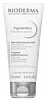
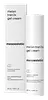
Bioderma Pigmentbio Sensitive Areas Targeted Brightening Care Versus Mesoestetic Melan Tran3x Gel Cream
This brightening treatment is formulated around Tranexamic Acid and Niacinamide to fade the look of dark spots and brighten dull-looking skin.


What's inside
What's inside
 Key Ingredients
Benefits
Concerns
Ingredients Side-by-side
Water
Skin ConditioningGlycerin
Humectant


Cetyl Alcohol
Emollient



Dimethicone
Emollient
Polymethylsilsesquioxane
Dipropylene Glycol
HumectantPropylheptyl Caprylate
EmollientCaprylic/Capric Triglyceride
Masking
Hdi/Trimethylol Hexyllactone Crosspolymer
C14-22 Alcohols
Emulsion Stabilising
Pentylene Glycol
Skin Conditioning
Carbomer
Emulsion StabilisingPolysilicone-11

Caprylyl Glycol
Emollient
1,2-Hexanediol
Skin Conditioning
Ammonium Acryloyldimethyltaurate/Vp Copolymer
Butylene Glycol
Humectant
Disodium EDTA
ChelatingLysine
Skin ConditioningC12-20 Alkyl Glucoside
EmulsifyingAzelaic Acid
Buffering







Laminaria Ochroleuca Extract
Skin Conditioning
Mannitol
Humectant
Salicylic Acid
Masking




Xylitol
Humectant
Andrographis Paniculata Leaf Extract
AstringentRhamnose
HumectantSodium Hydroxide
BufferingGlycyrrhiza Glabra Root Extract
Bleaching
Decyl Glucoside
Cleansing
Fructooligosaccharides
Humectant
Tocopherol
Antioxidant


Water, Glycerin, Cetyl Alcohol, Dimethicone, Polymethylsilsesquioxane, Dipropylene Glycol, Propylheptyl Caprylate, Caprylic/Capric Triglyceride, Hdi/Trimethylol Hexyllactone Crosspolymer, C14-22 Alcohols, Pentylene Glycol, Carbomer, Polysilicone-11, Caprylyl Glycol, 1,2-Hexanediol, Ammonium Acryloyldimethyltaurate/Vp Copolymer, Butylene Glycol, Disodium EDTA, Lysine, C12-20 Alkyl Glucoside, Azelaic Acid, Laminaria Ochroleuca Extract, Mannitol, Salicylic Acid, Xylitol, Andrographis Paniculata Leaf Extract, Rhamnose, Sodium Hydroxide, Glycyrrhiza Glabra Root Extract, Decyl Glucoside, Fructooligosaccharides, Tocopherol
Water
Skin ConditioningIsodecyl Neopentanoate
EmollientTranexamic Acid
Astringent
Niacinamide
Smoothing
Jojoba Esters
Emollient
Glycerin
Humectant
Isostearyl Alcohol
Emollient
Butylene Glycol
Humectant
Polymethylsilsesquioxane
Sodium Citrate
BufferingHelianthus Annuus Seed Wax
Skin Conditioning
Butylene Glycol Cocoate
Emulsifying
Caprylic/Capric Triglyceride
Masking
Isononyl Isononanoate
EmollientPolyacrylate Crosspolymer-6
Emulsion StabilisingLactic Acid
Buffering
Kojic Acid
Antioxidant
Argania Spinosa Kernel Oil
Emollient
Salicylic Acid
Masking
Aminoethylphosphinic Acid
Skin ConditioningGlycogen
HumectantAcetyl Glycyl Beta-Alanine
Skin ConditioningAcacia Decurrens Flower Wax
Emollient
Plankton Extract
Skin ConditioningPolyglycerin-3
Humectant
Polyacrylate-13
Dimethicone
Emollient
Polyisobutene
Ethylhexylglycerin
Skin ConditioningSorbitan Isostearate
Emulsifying
Ethylcellulose
Polysorbate 20
Emulsifying
Sodium Hydroxide
BufferingCitric Acid
Buffering
Sodium Metabisulfite
Antioxidant
BHT
Antioxidant
Disodium EDTA
ChelatingPhenoxyethanol
Preservative
Parfum
Masking

Water, Isodecyl Neopentanoate, Tranexamic Acid, Niacinamide, Jojoba Esters, Glycerin, Isostearyl Alcohol, Butylene Glycol, Polymethylsilsesquioxane, Sodium Citrate, Helianthus Annuus Seed Wax, Butylene Glycol Cocoate, Caprylic/Capric Triglyceride, Isononyl Isononanoate, Polyacrylate Crosspolymer-6, Lactic Acid, Kojic Acid, Argania Spinosa Kernel Oil, Salicylic Acid, Aminoethylphosphinic Acid, Glycogen, Acetyl Glycyl Beta-Alanine, Acacia Decurrens Flower Wax, Plankton Extract, Polyglycerin-3, Polyacrylate-13, Dimethicone, Polyisobutene, Ethylhexylglycerin, Sorbitan Isostearate, Ethylcellulose, Polysorbate 20, Sodium Hydroxide, Citric Acid, Sodium Metabisulfite, BHT, Disodium EDTA, Phenoxyethanol, Parfum
Ingredients Explained
These ingredients are found in both products.
Ingredients higher up in an ingredient list are typically present in a larger amount.
Butylene Glycol (or BG) is used within cosmetic products for a few different reasons:
Overall, Butylene Glycol is a safe and well-rounded ingredient that works well with other ingredients.
Though this ingredient works well with most skin types, some people with sensitive skin may experience a reaction such as allergic rashes, closed comedones, or itchiness.
Learn more about Butylene GlycolCaprylic/Capric Triglyceride (aka MCT Oil) is a lightweight emollient, solvent, and texture enhancer. It is considered a skin-softener by helping to prevent moisture loss.
Though it behaves like an oil, it is not technically one due to its chemical composition. One perk of this ingredient is that it is very stable, resistant to oxidation, and unlikely to go rancid.
In practice, that translates to a long shelf life and a consistently elegant skin feel.
While there is an assumption Caprylic Triglyceride can clog pores due to it being derived from coconut oil, there is no research supporting this. Just patch test if you have concerns.
Fractionated coconut oil and MCT Oil are both listed as Caprylic/Capric Triglyceride according to INCI. This is because INCI names are based on the ingredient’s final chemical composition and not its marketing name or source.
This ingredient is treated as the gold standard fungal acne safe oil. Even though it is coconut derived, the problematic lauric acid is stripped out.
This leaves just caprylic (C8) and capric (C10) acid. These chain lengths actually trend antifungal; a 2020 study found caprylic acid was enough to disrupt Malassezia furfur cell membrane, with a caprylic acid derivative damaging membrane structures at concentrations as low as 0.2%.
Learn more about Caprylic/Capric TriglycerideDimethicone is a type of synthetic silicone created from natural materials such as quartz. It is also known as polydimethylsiloxane.
What it does:
Dimethicone comes in different viscosities:
Depending on the viscosity, dimethicone has different properties.
Ingredients lists don't always show which type is used, so we recommend reaching out to the brand if you have questions about the viscosity.
This ingredient is unlikely to cause irritation because it does not get absorbed into skin. However, people with silicone allergies should be careful about using this ingredient.
Note: Dimethicone may contribute to pilling. This is because it is not oil or water soluble, so pilling may occur when layered with products. When mixed with heavy oils in a formula, the outcome is also quite greasy.
Learn more about DimethiconeDisodium EDTA is a chelating agent. It grabs onto and deactivates metal ions that sneak into your products from water, packaging, or air.
This ingredient mainly works behind the scenes and helps with:
On top of that, this ingredient can counteract the effects of hard water by binding to the minerals in it.
One thing worth knowing is that Disodium EDTA has been shown to be a mild penetration enhancer. It can help other ingredients absorb into skin more effectively which can be a double-edged sword (great for actives, but can also make the active too strong if you have sensitive skin).
Clinical patch testing showed no significant skin irritation at typical use concentrations and minimal dermal absorption.
You'll most likely see this ingredient near the end of an ingredient list. It's typically found in concentrations less than 1%.
Learn more about Disodium EDTAGlycerin (or glycerol) is a compound naturally found in your skin. It's a powerhouse humectant that pulls water into the stratum corneum.
Topically, glycerin does several things at once:
Your skin makes glycerin on its own (mostly from sebaceous oil breakdown) and shuttles it to your outermost layer of skin, or your epidermis, via aquaporin-3.
Aquaporin-3 is a transporter that is essential for normal skin hydration, elasticity, and repair. Interestingly, mice lacking in AQP3 have dry and less elastic skin that can be fully corrected with glycerin.
This ingredient is non-irritating, plays well with almost every ingredient, and works across all skin types. Typical use is anywhere between 3-10% but can go up to 79% in some leave-on products.
Just know very high concentrations (>40%) can feel tacky in low humidity.
Glycerin is the name for this ingredient in American English. British English uses Glycerol/Glycerine.
Learn more about GlycerinPolymethylsilsesquioxane is a silicone used as a film forming agent.
When applied to the skin, this ingredient creates an invisible film on the surface. This film still allows oxygen to pass through, but prevents moisture from escaping. This can help condition and hydrate the skin. It also leaves a silky feel when applied.
Polymethylsilsesquioxane has not been shown to clog pores. It has been deemed safe to use up to 55%, but most cosmetics use much less.
If you have concerns about using this ingredient, we recommend speaking with a professional.
Learn more about PolymethylsilsesquioxaneSalicylic Acid (also known as beta hydroxy acid or BHA) is a well-known ingredient for treating skin that struggles with acne and clogged pores. It exfoliates both the skin's surface and deep within the pores to help clear out buildup, control oil, and reduce inflammation.
Unlike AHAs (alpha hydroxy acids), salicylic acid is oil-soluble. This allows it to penetrate into pores which makes it especially effective for treating blackheads and preventing future breakouts.
Salicylic acid is also known for its soothing properties. It has a similar structure to aspirin and can calm inflamed or irritated skin, making it a good option for acne-prone skin that is also sensitive.
Concentrations of 0.5-2% are recognized by the U.S. FDA as an over-the-counter topical acne product.
It can cause irritation and/or dryness if one's skin already has a compromised moisture barrier, so it's best to focus on repairing that before introducing this ingredient into your routine.
While salicylic acid does not increase sun sensitivity, it’s still important to wear sunscreen daily to protect your skin.
If you are looking for the ingredient called BHA or Butylated Hydroxyanisole, click here.
Learn more about Salicylic AcidSodium Hydroxide is also known as lye or caustic soda. It is used to adjust the pH of products; many ingredients require a specific pH to be effective.
In small amounts, sodium hydroxide is considered safe to use. However, large amounts may cause chemical burns due to its high alkaline.
Your skin has a natural pH and acid mantle. This acid mantle helps prevent harmful bacteria from breaking through. The acid mantle also helps keep your skin hydrated.
"Alkaline" refers to a high pH level. A low pH level would be considered acidic.
Learn more about Sodium HydroxideWater. It's the most common cosmetic ingredient of all. You'll usually see it at the top of ingredient lists, meaning that it makes up the largest part of the product.
So why is it so popular? Water most often acts as a solvent - this means that it helps dissolve other ingredients into the formulation.
You'll also recognize water as that liquid we all need to stay alive. If you see this, drink a glass of water. Remember to stay hydrated!
Learn more about Water

