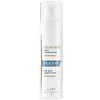
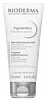
Ducray Melascreen Anti-Spots Radiance Serum Versus Bioderma Pigmentbio Sensitive Areas Targeted Brightening Care
This brightening serum is formulated around Ascorbyl Glucoside and Niacinamide to fade the look of dark spots and brighten dull-looking skin.

What's inside
What's inside
 Key Ingredients
Benefits
Concerns
Ingredients Side-by-side
Water
Skin ConditioningCaprylic/Capric Triglyceride
Masking


Ascorbyl Glucoside
Antioxidant




Niacinamide
Smoothing







Glycerin
Humectant
Hydroxypropyl Starch Phosphate
Propanediol
Solvent
C14-22 Alcohols
Emulsion Stabilising
1,2-Hexanediol
Skin Conditioning
C12-20 Alkyl Glucoside
EmulsifyingCaprylyl Glycol
Emollient
Citric Acid
Buffering

Diutan Gum
Parfum
Masking



Microcrystalline Cellulose
AbsorbentSodium Citrate
BufferingSodium Hydroxide
BufferingXanthan Gum
EmulsifyingWater, Caprylic/Capric Triglyceride, Ascorbyl Glucoside, Niacinamide, Glycerin, Hydroxypropyl Starch Phosphate, Propanediol, C14-22 Alcohols, 1,2-Hexanediol, C12-20 Alkyl Glucoside, Caprylyl Glycol, Citric Acid, Diutan Gum, Parfum, Microcrystalline Cellulose, Sodium Citrate, Sodium Hydroxide, Xanthan Gum
Water
Skin ConditioningGlycerin
Humectant
Cetyl Alcohol
Emollient
Dimethicone
Emollient
Polymethylsilsesquioxane
Dipropylene Glycol
HumectantPropylheptyl Caprylate
EmollientCaprylic/Capric Triglyceride
Masking
Hdi/Trimethylol Hexyllactone Crosspolymer
C14-22 Alcohols
Emulsion Stabilising
Pentylene Glycol
Skin Conditioning
Carbomer
Emulsion StabilisingPolysilicone-11
Caprylyl Glycol
Emollient
1,2-Hexanediol
Skin Conditioning
Ammonium Acryloyldimethyltaurate/Vp Copolymer
Butylene Glycol
Humectant
Disodium EDTA
ChelatingLysine
Skin ConditioningC12-20 Alkyl Glucoside
EmulsifyingAzelaic Acid
Buffering
Laminaria Ochroleuca Extract
Skin Conditioning
Mannitol
Humectant
Salicylic Acid
Masking


Xylitol
Humectant
Andrographis Paniculata Leaf Extract
AstringentRhamnose
HumectantSodium Hydroxide
BufferingGlycyrrhiza Glabra Root Extract
Bleaching
Decyl Glucoside
Cleansing
Fructooligosaccharides
Humectant
Tocopherol
Antioxidant
Water, Glycerin, Cetyl Alcohol, Dimethicone, Polymethylsilsesquioxane, Dipropylene Glycol, Propylheptyl Caprylate, Caprylic/Capric Triglyceride, Hdi/Trimethylol Hexyllactone Crosspolymer, C14-22 Alcohols, Pentylene Glycol, Carbomer, Polysilicone-11, Caprylyl Glycol, 1,2-Hexanediol, Ammonium Acryloyldimethyltaurate/Vp Copolymer, Butylene Glycol, Disodium EDTA, Lysine, C12-20 Alkyl Glucoside, Azelaic Acid, Laminaria Ochroleuca Extract, Mannitol, Salicylic Acid, Xylitol, Andrographis Paniculata Leaf Extract, Rhamnose, Sodium Hydroxide, Glycyrrhiza Glabra Root Extract, Decyl Glucoside, Fructooligosaccharides, Tocopherol
Ingredients Explained
These ingredients are found in both products.
Ingredients higher up in an ingredient list are typically present in a larger amount.
1,2-Hexanediol is a synthetic liquid and another multi-functional powerhouse.
It is a:
- Humectant, drawing moisture into the skin
- Emollient, helping to soften skin
- Solvent, dispersing and stabilizing formulas
- Preservative booster, enhancing the antimicrobial activity of other preservatives
We don't have a description for C12-20 Alkyl Glucoside yet.
This ingredient is a blend of long-chain fatty alcohols (myristyl, cetyl, stearyl, arachidyl, and behenyl). It is an emulsion stabilizer with emollient properties.
Don't let the word "alcohol" scare you: fatty alcohols are nothing like the drying solvents. This ingredient actually helps soften and smooth the skin.
By the way, the FDA allows products to be labeled "alcohol-free" even when they contain fatty alcohols like this one.
In a formula, it prevents the water and oil phases from separating over time while also contributing to a pleasant, non-greasy slip.
Interestingly, this ingredient can organize into the structures that mimic the skin's own lipid architecture to help support barrier function and reduce transepidermal water loss (TEWL).
The CIR Expert Panel has thoroughly assess the individual fatty alcohols that make up this blend and found no significant toxicity or dermal irritation.
Learn more about C14-22 AlcoholsCaprylic/Capric Triglyceride (aka MCT Oil) is a lightweight emollient, solvent, and texture enhancer. It is considered a skin-softener by helping to prevent moisture loss.
Though it behaves like an oil, it is not technically one due to its chemical composition. One perk of this ingredient is that it is very stable, resistant to oxidation, and unlikely to go rancid.
In practice, that translates to a long shelf life and a consistently elegant skin feel.
While there is an assumption Caprylic Triglyceride can clog pores due to it being derived from coconut oil, there is no research supporting this. Just patch test if you have concerns.
Fractionated coconut oil and MCT Oil are both listed as Caprylic/Capric Triglyceride according to INCI. This is because INCI names are based on the ingredient’s final chemical composition and not its marketing name or source.
This ingredient is treated as the gold standard fungal acne safe oil. Even though it is coconut derived, the problematic lauric acid is stripped out.
This leaves just caprylic (C8) and capric (C10) acid. These chain lengths actually trend antifungal; a 2020 study found caprylic acid was enough to disrupt Malassezia furfur cell membrane, with a caprylic acid derivative damaging membrane structures at concentrations as low as 0.2%.
Learn more about Caprylic/Capric TriglycerideCaprylyl Glycol is a humectant, skin conditioner, emollient, and preservative booster derived from either caprylic acid or synthetically created.
Typical use levels vary from 0.3-1% as a preservative booster and go up to 2% to condition skin.
Because it is not a free-fatty acid, this ingredient is fungal acne safe (there's nothing for Malassezia to feed on).
Learn more about Caprylyl GlycolGlycerin (or glycerol) is a compound naturally found in your skin. It's a powerhouse humectant that pulls water into the stratum corneum.
Topically, glycerin does several things at once:
Your skin makes glycerin on its own (mostly from sebaceous oil breakdown) and shuttles it to your outermost layer of skin, or your epidermis, via aquaporin-3.
Aquaporin-3 is a transporter that is essential for normal skin hydration, elasticity, and repair. Interestingly, mice lacking in AQP3 have dry and less elastic skin that can be fully corrected with glycerin.
This ingredient is non-irritating, plays well with almost every ingredient, and works across all skin types. Typical use is anywhere between 3-10% but can go up to 79% in some leave-on products.
Just know very high concentrations (>40%) can feel tacky in low humidity.
Glycerin is the name for this ingredient in American English. British English uses Glycerol/Glycerine.
Learn more about GlycerinSodium Hydroxide is also known as lye or caustic soda. It is used to adjust the pH of products; many ingredients require a specific pH to be effective.
In small amounts, sodium hydroxide is considered safe to use. However, large amounts may cause chemical burns due to its high alkaline.
Your skin has a natural pH and acid mantle. This acid mantle helps prevent harmful bacteria from breaking through. The acid mantle also helps keep your skin hydrated.
"Alkaline" refers to a high pH level. A low pH level would be considered acidic.
Learn more about Sodium HydroxideWater. It's the most common cosmetic ingredient of all. You'll usually see it at the top of ingredient lists, meaning that it makes up the largest part of the product.
So why is it so popular? Water most often acts as a solvent - this means that it helps dissolve other ingredients into the formulation.
You'll also recognize water as that liquid we all need to stay alive. If you see this, drink a glass of water. Remember to stay hydrated!
Learn more about Water

