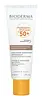
This chemical sunscreen covers the full UV range and blocks ~98% of UVB at SPF 50.
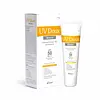
This mineral sunscreen covers the full UV range and blocks ~98% of UVB at SPF 50.


What's inside
What's inside
 Key Ingredients
Benefits
Concerns
Ingredients Side-by-side
Water
Skin ConditioningDibutyl Adipate
EmollientOctocrylene
UV Absorber



Methylene Bis-Benzotriazolyl Tetramethylbutylphenol
UV Filter
Tetrabutyl Ethylidenebisphenol
Antioxidant
Propanediol
Solvent

Butyl Methoxydibenzoylmethane
UV Absorber
Glycerin
Humectant
Dicaprylyl Carbonate
EmollientBis-Ethylhexyloxyphenol Methoxyphenyl Triazine
UV Absorber
Ascorbyl Glucoside
Antioxidant


Corn Starch Modified
AbsorbentDicaprylyl Ether
Emollient
Silica
Abrasive


Tocopherol
Antioxidant


Cetearyl Alcohol
Emollient





Decyl Glucoside
Cleansing
C20-22 Alkyl Phosphate
EmulsifyingC20-22 Alcohols
Emulsion Stabilising
Hydroxyethyl Acrylate/Sodium Acryloyldimethyl Taurate Copolymer
Emulsion StabilisingCoco-Glucoside
Cleansing
Pentylene Glycol
Skin Conditioning
Xanthan Gum
EmulsifyingSqualane
Emollient
Sodium Hydroxide
BufferingSodium Citrate
Buffering1,2-Hexanediol
Skin Conditioning
Caprylyl Glycol
Emollient
Glycol
HumectantGlycine Soja Oil
Emollient

Citric Acid
Buffering
Ectoin
Skin Conditioning
Mannitol
Humectant
Xylitol
Humectant
Polysorbate 60
Emulsifying
Rhamnose
HumectantPropylene Glycol
Humectant
Asiaticoside
Antioxidant
Madecassic Acid
Skin Conditioning
Asiatic Acid
Skin Conditioning
Sorbitan Isostearate
Emulsifying
Fructooligosaccharides
Humectant
Caprylic/Capric Triglyceride
Masking
Laminaria Ochroleuca Extract
Skin Conditioning
Parfum
Masking

Water, Dibutyl Adipate, Octocrylene, Methylene Bis-Benzotriazolyl Tetramethylbutylphenol, Tetrabutyl Ethylidenebisphenol, Propanediol, Butyl Methoxydibenzoylmethane, Glycerin, Dicaprylyl Carbonate, Bis-Ethylhexyloxyphenol Methoxyphenyl Triazine, Ascorbyl Glucoside, Corn Starch Modified, Dicaprylyl Ether, Silica, Tocopherol, Cetearyl Alcohol, Decyl Glucoside, C20-22 Alkyl Phosphate, C20-22 Alcohols, Hydroxyethyl Acrylate/Sodium Acryloyldimethyl Taurate Copolymer, Coco-Glucoside, Pentylene Glycol, Xanthan Gum, Squalane, Sodium Hydroxide, Sodium Citrate, 1,2-Hexanediol, Caprylyl Glycol, Glycol, Glycine Soja Oil, Citric Acid, Ectoin, Mannitol, Xylitol, Polysorbate 60, Rhamnose, Propylene Glycol, Asiaticoside, Madecassic Acid, Asiatic Acid, Sorbitan Isostearate, Fructooligosaccharides, Caprylic/Capric Triglyceride, Laminaria Ochroleuca Extract, Parfum
Zinc Oxide
Cosmetic Colorant
Iron Oxides
Dimethicone
Emollient
Dimethicone Crosspolymer
Emulsion Stabilising
Triethoxycaprylylsilane
C15-19 Alkane
SolventCoco-Caprylate/Caprate
Emollient
Cetyl Dimethicone
Emollient
C15-23 Alkane
SolventHydrogenated Soy Polyglycerides
Skin ConditioningIsododecane
EmollientDimethicone/Bis-Isobutyl PPG-20 Crosspolymer
Emollient
Caprylyl Methicone
Skin Conditioning
PEG-12 Dimethicone/PPG-20 Crosspolymer
Polyhydroxystearic Acid
Emulsifying
Silica
Abrasive
CI 77492
Cosmetic ColorantCI 77491
Cosmetic ColorantIsopropyl Titanium Triisostearate
Emollient
Bis-PEG-15 Dimethicone/Ipdi Copolymer
PEG-2 Soyamine
EmulsifyingCaprylic/Capric Triglyceride
Masking
Physalis Angulata Extract
Skin ProtectingCyclopentasiloxane
Emollient
Phenyl Trimethicone
Skin Conditioning
Dimethiconol
Emollient
C12-15 Alkyl Benzoate
AntimicrobialDimethylmethoxy Chromanol
Antioxidant
Parfum
Masking
Zinc Oxide, Iron Oxides, Dimethicone, Dimethicone Crosspolymer, Triethoxycaprylylsilane, C15-19 Alkane, Coco-Caprylate/Caprate, Cetyl Dimethicone, C15-23 Alkane, Hydrogenated Soy Polyglycerides, Isododecane, Dimethicone/Bis-Isobutyl PPG-20 Crosspolymer, Caprylyl Methicone, PEG-12 Dimethicone/PPG-20 Crosspolymer, Polyhydroxystearic Acid, Silica, CI 77492, CI 77491, Isopropyl Titanium Triisostearate, Bis-PEG-15 Dimethicone/Ipdi Copolymer, PEG-2 Soyamine, Caprylic/Capric Triglyceride, Physalis Angulata Extract, Cyclopentasiloxane, Phenyl Trimethicone, Dimethiconol, C12-15 Alkyl Benzoate, Dimethylmethoxy Chromanol, Parfum
Reviews
Ingredients Explained
These ingredients are found in both products.
Ingredients higher up in an ingredient list are typically present in a larger amount.
Caprylic/Capric Triglyceride (aka MCT Oil) is a lightweight emollient, solvent, and texture enhancer. It is considered a skin-softener by helping to prevent moisture loss.
Though it behaves like an oil, it is not technically one due to its chemical composition. One perk of this ingredient is that it is very stable, resistant to oxidation, and unlikely to go rancid.
In practice, that translates to a long shelf life and a consistently elegant skin feel.
While there is an assumption Caprylic Triglyceride can clog pores due to it being derived from coconut oil, there is no research supporting this. Just patch test if you have concerns.
Fractionated coconut oil and MCT Oil are both listed as Caprylic/Capric Triglyceride according to INCI. This is because INCI names are based on the ingredient’s final chemical composition and not its marketing name or source.
This ingredient is treated as the gold standard fungal acne safe oil. Even though it is coconut derived, the problematic lauric acid is stripped out.
This leaves just caprylic (C8) and capric (C10) acid. These chain lengths actually trend antifungal; a 2020 study found caprylic acid was enough to disrupt Malassezia furfur cell membrane, with a caprylic acid derivative damaging membrane structures at concentrations as low as 0.2%.
Learn more about Caprylic/Capric TriglycerideParfum is a catch-all term for an ingredient or more that is used to give a scent to products.
Also called "fragrance", this ingredient can be a blend of hundreds of chemicals or plant oils. This means every product with "fragrance" or "parfum" in the ingredients list is a different mixture.
For instance, Habanolide is a proprietary trade name for a specific aroma chemical. When used as a fragrance ingredient in cosmetics, most aroma chemicals fall under the broad labeling category of “FRAGRANCE” or “PARFUM” according to EU and US regulations.
The term 'parfum' or 'fragrance' is not regulated in many countries. In many cases, it is up to the brand to define this term.
For instance, many brands choose to label themselves as "fragrance-free" because they are not using synthetic fragrances. However, their products may still contain ingredients such as essential oils that are considered a fragrance by INCI standards.
One example is Calendula flower extract. Calendula is an essential oil that still imparts a scent or 'fragrance'.
Depending on the blend, the ingredients in the mixture can cause allergies and sensitivities on the skin. Some ingredients that are known EU allergens include linalool and citronellol.
Parfum can also be used to mask or cover an unpleasant scent.
The bottom line is: not all fragrances/parfum/ingredients are created equally. If you are worried about fragrances, we recommend taking a closer look at an ingredient. And of course, we always recommend speaking with a professional.
Learn more about ParfumSilica, also known as silicon dioxide, is a naturally occurring mineral. It is used as a fine, spherical, and porous powder in cosmetics.
Though it has exfoliant properties, the function of silica varies depending on the product.
The unique structure of silica enhances the spreadability and adds smoothness, making it a great texture enhancer.
It is also used as an active carrier, emulsifier, and mattifier due to its ability to absorb excess oil.
In some products, tiny microneedles called spicules are made from silica or hydrolyzed sponge. When you rub them in, they lightly polish away dead skin layers and enhance the penetration of active ingredients.
Learn more about Silica

