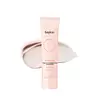
Beplain Sunmuse Tone-Up & Correcting Sunscreen Peach Pink SPF 50+ Versus Cure Aqua Mild Green Sun Cream SPF 50+
This hybrid sunscreen covers the full UV range and blocks ~98% of UVB at SPF 50.
This hybrid sunscreen covers the full UV range and blocks ~98% of UVB at SPF 50.


What's inside
What's inside
 Key Ingredients

Benefits
Concerns
Ingredients Side-by-side
Water
Skin ConditioningDibutyl Adipate
EmollientTitanium Dioxide
Cosmetic Colorant

Diethylamino Hydroxybenzoyl Hexyl Benzoate
UV Filter
Diisopropyl Sebacate
EmollientEthylhexyl Triazone
UV Absorber
Glycerin
Humectant


Niacinamide
Smoothing









Propanediol
Solvent
Dicaprylyl Carbonate
Emollient1,2-Hexanediol
Skin Conditioning
Bis-Ethylhexyloxyphenol Methoxyphenyl Triazine
UV Absorber
Dimethicone/Vinyl Dimethicone Crosspolymer
Skin Conditioning
Prunus Persica Fruit Extract
Abrasive
Prunus Persica Flower Extract
MoisturisingButyloctyl Salicylate
Skin Conditioning
Pentylene Glycol
Skin Conditioning
Silica
Abrasive
Terephthalylidene Dicamphor Sulfonic Acid
UV Absorber
Polyglyceryl-3 Methylglucose Distearate
Emulsifying

Polyhydroxystearic Acid
Emulsifying
Potassium Cetyl Phosphate
EmulsifyingSodium Polyacryloyldimethyl Taurate
Emulsion StabilisingTromethamine
BufferingIsododecane
EmollientAluminum Hydroxide Oxide
AntimicrobialHydroxyethyl Acrylate/Sodium Acryloyldimethyl Taurate Copolymer
Emulsion StabilisingVp/Eicosene Copolymer
Stearic Acid
Cleansing
Ammonium Polyacryloyldimethyl Taurate
Emulsion StabilisingPolyglyceryl-4 Isostearate
Emulsifying
Polyglyceryl-10 Myristate
Skin Conditioning
Isopropyl Titanium Triisostearate
Emollient
Butylene Glycol
Humectant
Adenosine
Skin Conditioning
Trisodium Ethylenediamine Disuccinate
Hydroxypropyl Methylcellulose Stearoxy Ether
Tocopherol
Antioxidant

Arginine
Masking
3-O-Ethyl Ascorbic Acid
Skin Conditioning
Cyanocobalamin
Skin ConditioningGlutathione
Behenyl Alcohol
Emollient
Xanthan Gum
EmulsifyingCarbomer
Emulsion StabilisingCI 77491
Cosmetic ColorantCI 77492
Cosmetic ColorantWater, Dibutyl Adipate, Titanium Dioxide, Diethylamino Hydroxybenzoyl Hexyl Benzoate, Diisopropyl Sebacate, Ethylhexyl Triazone, Glycerin, Niacinamide, Propanediol, Dicaprylyl Carbonate, 1,2-Hexanediol, Bis-Ethylhexyloxyphenol Methoxyphenyl Triazine, Dimethicone/Vinyl Dimethicone Crosspolymer, Prunus Persica Fruit Extract, Prunus Persica Flower Extract, Butyloctyl Salicylate, Pentylene Glycol, Silica, Terephthalylidene Dicamphor Sulfonic Acid, Polyglyceryl-3 Methylglucose Distearate, Polyhydroxystearic Acid, Potassium Cetyl Phosphate, Sodium Polyacryloyldimethyl Taurate, Tromethamine, Isododecane, Aluminum Hydroxide Oxide, Hydroxyethyl Acrylate/Sodium Acryloyldimethyl Taurate Copolymer, Vp/Eicosene Copolymer, Stearic Acid, Ammonium Polyacryloyldimethyl Taurate, Polyglyceryl-4 Isostearate, Polyglyceryl-10 Myristate, Isopropyl Titanium Triisostearate, Butylene Glycol, Adenosine, Trisodium Ethylenediamine Disuccinate, Hydroxypropyl Methylcellulose Stearoxy Ether, Tocopherol, Arginine, 3-O-Ethyl Ascorbic Acid, Cyanocobalamin, Glutathione, Behenyl Alcohol, Xanthan Gum, Carbomer, CI 77491, CI 77492
Aloe Barbadensis Leaf Juice
Skin Conditioning
Zinc Oxide
Cosmetic Colorant
Cyclohexasiloxane
Emollient
Methyl Trimethicone
Skin Conditioning
Butyloctyl Salicylate
Skin Conditioning
Butylene Glycol
Humectant
Glycerin
Humectant
Propanediol
Solvent
Polyglyceryl-3 Polydimethylsiloxyethyl Dimethicone
Skin Conditioning
Disteardimonium Hectorite
Stabilising1,2-Hexanediol
Skin Conditioning
Polyglyceryl-2 Dipolyhydroxystearate
Skin Conditioning
Magnesium Sulfate
Caprylyl Methicone
Skin Conditioning
Triethoxycaprylylsilane
Sorbitan Sesquioleate
Emulsifying
Water
Skin ConditioningLauryl Polyglyceryl-3 Polydimethylsiloxyethyl Dimethicone
Skin Conditioning
Dimer Dilinoleyl Dimer Dilinoleate
EmollientC30-45 Alkyl Cetearyl Dimethicone Crosspolymer
Emollient
Dipotassium Glycyrrhizate
Humectant
Ethylhexylglycerin
Skin ConditioningCentella Asiatica Extract
Cleansing
Salvia Hispanica Seed Extract
Emollient
Hydrogenated Lecithin
Emulsifying
Houttuynia Cordata Extract
Skin Conditioning
Ficus Carica Fruit Extract
Humectant
Pyrus Communis Flower Extract
Skin ConditioningBeta-Glucan
Skin Conditioning
Ceramide NP
Skin Conditioning
Mentha Rotundifolia Leaf Extract
TonicCamellia Sinensis Leaf Extract
Antimicrobial
Thymus Vulgaris Leaf Extract
Skin ProtectingAloe Barbadensis Leaf Juice, Zinc Oxide, Cyclohexasiloxane, Methyl Trimethicone, Butyloctyl Salicylate, Butylene Glycol, Glycerin, Propanediol, Polyglyceryl-3 Polydimethylsiloxyethyl Dimethicone, Disteardimonium Hectorite, 1,2-Hexanediol, Polyglyceryl-2 Dipolyhydroxystearate, Magnesium Sulfate, Caprylyl Methicone, Triethoxycaprylylsilane, Sorbitan Sesquioleate, Water, Lauryl Polyglyceryl-3 Polydimethylsiloxyethyl Dimethicone, Dimer Dilinoleyl Dimer Dilinoleate, C30-45 Alkyl Cetearyl Dimethicone Crosspolymer, Dipotassium Glycyrrhizate, Ethylhexylglycerin, Centella Asiatica Extract, Salvia Hispanica Seed Extract, Hydrogenated Lecithin, Houttuynia Cordata Extract, Ficus Carica Fruit Extract, Pyrus Communis Flower Extract, Beta-Glucan, Ceramide NP, Mentha Rotundifolia Leaf Extract, Camellia Sinensis Leaf Extract, Thymus Vulgaris Leaf Extract
Ingredients Explained
These ingredients are found in both products.
Ingredients higher up in an ingredient list are typically present in a larger amount.
1,2-Hexanediol is a synthetic liquid and another multi-functional powerhouse.
It is a:
- Humectant, drawing moisture into the skin
- Emollient, helping to soften skin
- Solvent, dispersing and stabilizing formulas
- Preservative booster, enhancing the antimicrobial activity of other preservatives
Butylene Glycol (or BG) is used within cosmetic products for a few different reasons:
Overall, Butylene Glycol is a safe and well-rounded ingredient that works well with other ingredients.
Though this ingredient works well with most skin types, some people with sensitive skin may experience a reaction such as allergic rashes, closed comedones, or itchiness.
Learn more about Butylene GlycolButyloctyl Salicylate is a chemical UV filter structurally similar to octisalate. It is a photostabilizer, SPF booster, emollient and solvent. This ingredient helps evenly spread out ingredients.
According to a manufacturer, it is suitable for pairing with micro Titanium Dioxide, Zinc Oxide, and pigments.
Photostabilizers help stabilize UV-filters and prevents them from degrading quickly.
Learn more about Butyloctyl SalicylateGlycerin (or glycerol) is a compound naturally found in your skin. It's a powerhouse humectant that pulls water into the stratum corneum.
Topically, glycerin does several things at once:
Your skin makes glycerin on its own (mostly from sebaceous oil breakdown) and shuttles it to your outermost layer of skin, or your epidermis, via aquaporin-3.
Aquaporin-3 is a transporter that is essential for normal skin hydration, elasticity, and repair. Interestingly, mice lacking in AQP3 have dry and less elastic skin that can be fully corrected with glycerin.
This ingredient is non-irritating, plays well with almost every ingredient, and works across all skin types. Typical use is anywhere between 3-10% but can go up to 79% in some leave-on products.
Just know very high concentrations (>40%) can feel tacky in low humidity.
Glycerin is the name for this ingredient in American English. British English uses Glycerol/Glycerine.
Learn more about GlycerinPropanediol is an all-star ingredient. It softens, hydrates, and smooths the skin.
It’s often used to:
Propanediol is not likely to cause sensitivity and considered safe to use. It is derived from corn or petroleum with a clear color and no scent.
Learn more about PropanediolWater. It's the most common cosmetic ingredient of all. You'll usually see it at the top of ingredient lists, meaning that it makes up the largest part of the product.
So why is it so popular? Water most often acts as a solvent - this means that it helps dissolve other ingredients into the formulation.
You'll also recognize water as that liquid we all need to stay alive. If you see this, drink a glass of water. Remember to stay hydrated!
Learn more about Water

