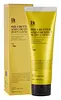
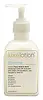
Benton Shea Butter And Coconut Body Lotion Versus LuxeBeauty Hyaluronic Acid Luxurious Face, Neck & Hand Moisturizer Unscented
This anti-aging moisturizer is formulated around Persea Gratissima Oil and Sodium Hyaluronate to soften the look of wrinkles and hydrate skin.


What's inside
What's inside
 Key Ingredients
Benefits
Concerns
Ingredients Side-by-side
Water
Skin ConditioningButylene Glycol
Humectant

Chamomilla Recutita Flower Water
MaskingButyrospermum Parkii Butter
Skin Conditioning




Cetearyl Alcohol
Emollient

Caprylic/Capric Triglyceride
Masking
Glycerin
Humectant
Cetyl Ethylhexanoate
EmollientCocos Nucifera Oil
Masking

Pentylene Glycol
Skin Conditioning
1,2-Hexanediol
Skin Conditioning
Cetearyl Olivate
Sorbitan Olivate
Emulsifying
Betaine
Humectant
Arginine
Masking
Simmondsia Chinensis Seed Oil
Emollient
Panthenol
Skin Conditioning
Butyrospermum Parkii Butter Extract
Skin Conditioning
Polyglutamic Acid
Skin Conditioning
Ceramide NP
Skin Conditioning

Sodium Hyaluronate
Humectant
Hydrolyzed Sodium Hyaluronate
Skin Conditioning
Hyaluronic Acid
Humectant
Centella Asiatica Extract
Cleansing
Polygonum Cuspidatum Root Extract
Antioxidant
Scutellaria Baicalensis Root Extract
Astringent
Camellia Sinensis Leaf Extract
Antimicrobial


Glycyrrhiza Glabra Root Extract
Bleaching
Rosmarinus Officinalis Leaf Extract
AntimicrobialChamomilla Recutita Flower Extract
Masking
Tocopherol
Antioxidant
Caprylyl Glycol
Emollient
Carbomer
Emulsion StabilisingXanthan Gum
EmulsifyingHydrogenated Lecithin
Emulsifying
Water, Butylene Glycol, Chamomilla Recutita Flower Water, Butyrospermum Parkii Butter, Cetearyl Alcohol, Caprylic/Capric Triglyceride, Glycerin, Cetyl Ethylhexanoate, Cocos Nucifera Oil, Pentylene Glycol, 1,2-Hexanediol, Cetearyl Olivate, Sorbitan Olivate, Betaine, Arginine, Simmondsia Chinensis Seed Oil, Panthenol, Butyrospermum Parkii Butter Extract, Polyglutamic Acid, Ceramide NP, Sodium Hyaluronate, Hydrolyzed Sodium Hyaluronate, Hyaluronic Acid, Centella Asiatica Extract, Polygonum Cuspidatum Root Extract, Scutellaria Baicalensis Root Extract, Camellia Sinensis Leaf Extract, Glycyrrhiza Glabra Root Extract, Rosmarinus Officinalis Leaf Extract, Chamomilla Recutita Flower Extract, Tocopherol, Caprylyl Glycol, Carbomer, Xanthan Gum, Hydrogenated Lecithin
Water
Skin ConditioningPersea Gratissima Oil
Skin Conditioning
Sodium Hyaluronate
Humectant
Rubus Idaeus Seed Oil
Emollient
Ubiquinone
Antioxidant
Hippophae Rhamnoides Extract
MaskingNiacinamide
Smoothing

Arctostaphylos Uva Ursi Leaf Extract
Skin Conditioning
Carica Papaya Fruit Extract
Skin ConditioningAloe Barbadensis Leaf Juice
Skin Conditioning
Lecithin
Emollient
Cetearyl Alcohol
Emollient
Ceteareth-20
Cleansing
Allantoin
Skin Conditioning
Olea Europaea Leaf Extract
Perfuming
Theobroma Cacao Seed Butter
Emollient
Tocopherol
Antioxidant
Rosmarinus Officinalis Leaf Extract
AntimicrobialGluconolactone
Chelating
Sodium Benzoate
Masking
Calcium Gluconate
HumectantWater, Persea Gratissima Oil, Sodium Hyaluronate, Rubus Idaeus Seed Oil, Ubiquinone, Hippophae Rhamnoides Extract, Niacinamide, Arctostaphylos Uva Ursi Leaf Extract, Carica Papaya Fruit Extract, Aloe Barbadensis Leaf Juice, Lecithin, Cetearyl Alcohol, Ceteareth-20, Allantoin, Olea Europaea Leaf Extract, Theobroma Cacao Seed Butter, Tocopherol, Rosmarinus Officinalis Leaf Extract, Gluconolactone, Sodium Benzoate, Calcium Gluconate
Reviews
Ingredients Explained
These ingredients are found in both products.
Ingredients higher up in an ingredient list are typically present in a larger amount.
Cetearyl alcohol is a waxy mixture of two fatty alcohols: cetyl alcohol and stearyl alcohol. It is an emollient and emulsifier.
Despite having "alcohol" in its name, it has nothing to do with drying solvent alcohols; the FDA also allows "alcohol-free" products to contain fatty alcohols like this ingredient.
It plays several roles in a formula:
Typical use levels for this ingredient sit around 1-10% and the Cosmetic Ingredient Review Expert Panel has affirmed safety at concentrations up to 25% in leave-on products.
Multiple assessments have found it to be non-irritating and non-sensitizing to most people.
However, there have been some cases of allergic contact dermatitis in patients with chronically compromised skin barriers.
Cetearyl alcohol has a comedogenic rating of 2 and irritancy rating of 1. Both of these numbers come from the 1989 study that used rabbit ears; a "2" means mildly comedogenic and a "1" means low irritancy.
Here's the catch: rabbit skin is more sensitive than human skin and throws a lot of false positives. A 1996 reappraisal found that ingredients rated 1-2 in the rabbit ear tests are generally safe for humans.
Remember comedogenic ratings are unable to assess the entire formula of a product or how it will react on your skin. Just be sure to patch test if you are unsure about certain ingredients.
This ingredient is not fungal acne safe. Cetearyl alcohol is a fatty alcohol with chain lengths that fall within the range that Malassezia can metabolize.
A 2019 study has also observed Malassezia growth in the presence of this ingredient, confirming it to be not-fungal acne safe.
Learn more about Cetearyl AlcoholThis is a botanical extract from the rosemary plant (the same one you cook with). In skincare, it mostly works as a skin conditioning agent.
Its activity comes from a handful of polyphenols, carnosic acid, carnosol, and rosmarinic acid. Almost 90% of the antioxidant activity of this ingredient can be attributed to canosol and carnosic acid.
These compounds protect your skin two ways:
1) They fight off free radicals, or the unstable molecules from things like sun and pollution that age and damage skin.
2) They help calm inflammation by switching off the chemical signals that tell skin to get red and irritated.
Lab studies also suggest that rosmarinic acid may help protect collagen and slow sugar-related damage to it.
The Cosmetic Ingredient Review has concluded rosemary-derived ingredients to be safe when formulated to be non-sensitizing.
Rosemary can occasionally cause allergic contact dermatitis (due to carnosol), so be sure to patch test if you have reactive or fragrance-sensitive skin.
Learn more about Rosmarinus Officinalis Leaf ExtractSodium Hyaluronate is the salt form of hyaluronic acid. It is a long sugar chain that is naturally found in your skin, joints, and connective tissue that maintains hydration and elasticity.
In skincare, it works as a humectant. It pulls water from the environment and deeper layers of skin and binds it to the surface.
Interestingly, the size of the molecule affects its behavior:
Some clinical evidence links low molecular weight versions to improved wrinkle depth, elasticity, anti-inflammatory effects, and barrier repair.
Many serums use a blend of both weights so you can get surface hydration plus longer-lasting and deeper effects.
You'll typically see concentrations between 0.1-2% for this ingredient.
Learn more about Sodium HyaluronateTocopherol is a fat-soluble antioxidant known as Vitamin E.
You'll find this ingredient in the vast majority of skincare (for good reason). It works to neutralize free radicals, or unstable molecules generated by UV exposure, pollution, and other environmental stressors, before they can cause oxidative damage to your skin cells.
Topically applied tocopherol has been shown to protect against UV damage by ramping up the skin's own natural defense enzymes.
It also acts as a skin conditioning agent; some studies show that regular topical use can improve the skin's water-binding capacity over 2-4 weeks.
This ingredient is especially loved for being a team player. When combined with Vitamin C, the photoprotective effect of both ingredients roughly doubles and the combo also helps reduce UV-induced DNA damage.
This ingredient has some brightening potential but it's more of a prevention ingredient than spot-fader. Cell studies show it can slow down melanin production but it's worth noting that it's not the most powerful brightener out there.
In formulations, it also serves as a stabilizer that helps protect other oxidation-prone ingredients from degrading.
Concentrations usually range from 0.1-1% in most leave-on products.
Learn more about TocopherolWater. It's the most common cosmetic ingredient of all. You'll usually see it at the top of ingredient lists, meaning that it makes up the largest part of the product.
So why is it so popular? Water most often acts as a solvent - this means that it helps dissolve other ingredients into the formulation.
You'll also recognize water as that liquid we all need to stay alive. If you see this, drink a glass of water. Remember to stay hydrated!
Learn more about Water

