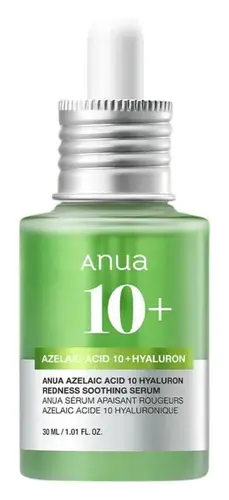
Beekman 1802 Travel Size Milk Shake Hyaluronic Acid & Squalane Facial Toner Mist Versus D'Alba White Truffle First Spray Serum
This hydrating toner is formulated around Simmondsia Chinensis Seed Oil and Bifida Ferment Lysate to hydrate skin and strengthen the skin barrier.
This hydrating serum is formulated around Niacinamide and Persea Gratissima Oil to hydrate skin and calm redness.


What's inside
What's inside
 Key Ingredients
Benefits
Concerns
Ingredients Side-by-side
Water
Skin ConditioningEthylhexyl Palmitate
Emollient




Caprylic/Capric Triglyceride
Masking


Coco-Caprylate/Caprate
Emollient
1,2-Hexanediol
Skin Conditioning
Simmondsia Chinensis Seed Oil
Emollient

Caprae Lac
Skin ConditioningColostrum
Skin Conditioning
Bifida Ferment Lysate
Skin Conditioning

Lactose
HumectantMilk Protein
Skin ConditioningArtemisia Capillaris Extract
Hyaluronic Acid
Humectant

Squalane
Emollient
Aloe Barbadensis Leaf Water
MaskingEryngium Alpinum Flower Extract
Skin ConditioningChamomilla Recutita Flower Extract
Masking
Honey Extract
Humectant
Hippophae Rhamnoides Oil
Emollient
Symphytum Officinale Leaf Extract
Skin ConditioningHydrolyzed Jojoba Esters
Skin Conditioning
Glycerin
Humectant
Sodium Chloride
MaskingHydroxyacetophenone
Antioxidant
Pentaerythrityl Tetra-Di-T-Butyl Hydroxyhydrocinnamate
Antioxidant
Hydrocinnamyl Cinnamate
Perfuming

Ethylhexylglycerin
Skin ConditioningPropanediol
Solvent
Tocopherol
Antioxidant


Whey Protein
Skin ConditioningC10-18 Triglycerides
Emollient
Lecithin
Emollient
Water, Ethylhexyl Palmitate, Caprylic/Capric Triglyceride, Coco-Caprylate/Caprate, 1,2-Hexanediol, Simmondsia Chinensis Seed Oil, Caprae Lac, Colostrum, Bifida Ferment Lysate, Lactose, Milk Protein, Artemisia Capillaris Extract, Hyaluronic Acid, Squalane, Aloe Barbadensis Leaf Water, Eryngium Alpinum Flower Extract, Chamomilla Recutita Flower Extract, Honey Extract, Hippophae Rhamnoides Oil, Symphytum Officinale Leaf Extract, Hydrolyzed Jojoba Esters, Glycerin, Sodium Chloride, Hydroxyacetophenone, Pentaerythrityl Tetra-Di-T-Butyl Hydroxyhydrocinnamate, Hydrocinnamyl Cinnamate, Ethylhexylglycerin, Propanediol, Tocopherol, Whey Protein, C10-18 Triglycerides, Lecithin
Water
Skin ConditioningDipropylene Glycol
HumectantNeopentyl Glycol Diheptanoate
EmollientGlycereth-26
Humectant
1,2-Hexanediol
Skin Conditioning
Niacinamide
Smoothing




Sorbitol
Humectant
Hydroxyethyl Urea
Humectant
Persea Gratissima Oil
Skin Conditioning
Salvia Hispanica Seed Extract
Emollient
Ocimum Basilicum Flower/Leaf/Stem Extract
TonicBetaine
Humectant
Avena Sativa Kernel Extract
Abrasive
Butylene Glycol
Humectant
Tuber Magnatum Extract
Skin ConditioningGlycerin
Humectant
Helianthus Annuus Seed Oil
Emollient
Tocopheryl Acetate
Antioxidant
Disodium EDTA
ChelatingDipotassium Glycyrrhizate
Humectant
Adenosine
Skin Conditioning
Sodium Palmitoyl Proline
Skin ConditioningBifida Ferment Lysate
Skin Conditioning
Nymphaea Alba Flower Extract
Skin ConditioningHydrolyzed Hyaluronic Acid
Humectant
Glycine Soja Oil
Emollient
Saussurea Involucrata Extract
HumectantPanax Ginseng Root Extract
Emollient
Nelumbo Nucifera Flower Extract
Skin ConditioningMorus Alba Bark Extract
Skin ConditioningLilium Candidum Flower Extract
Skin ConditioningLeontopodium Alpinum Extract
Skin ConditioningHouttuynia Cordata Extract
Skin Conditioning
Freesia Refracta Extract
Skin ConditioningCarbomer
Emulsion StabilisingBellis Perennis Flower Extract
Skin ConditioningArginine
Masking
Potassium Sorbate
Preservative
Bixa Orellana Seed Oil
Emollient
Tocopherol
Antioxidant
Parfum
Masking
Linalool
Perfuming
Hexyl Cinnamal
Perfuming
Limonene
Perfuming
Citronellol
Perfuming
Water, Dipropylene Glycol, Neopentyl Glycol Diheptanoate, Glycereth-26, 1,2-Hexanediol, Niacinamide, Sorbitol, Hydroxyethyl Urea, Persea Gratissima Oil, Salvia Hispanica Seed Extract, Ocimum Basilicum Flower/Leaf/Stem Extract, Betaine, Avena Sativa Kernel Extract, Butylene Glycol, Tuber Magnatum Extract, Glycerin, Helianthus Annuus Seed Oil, Tocopheryl Acetate, Disodium EDTA, Dipotassium Glycyrrhizate, Adenosine, Sodium Palmitoyl Proline, Bifida Ferment Lysate, Nymphaea Alba Flower Extract, Hydrolyzed Hyaluronic Acid, Glycine Soja Oil, Saussurea Involucrata Extract, Panax Ginseng Root Extract, Nelumbo Nucifera Flower Extract, Morus Alba Bark Extract, Lilium Candidum Flower Extract, Leontopodium Alpinum Extract, Houttuynia Cordata Extract, Freesia Refracta Extract, Carbomer, Bellis Perennis Flower Extract, Arginine, Potassium Sorbate, Bixa Orellana Seed Oil, Tocopherol, Parfum, Linalool, Hexyl Cinnamal, Limonene, Citronellol
Reviews
Ingredients Explained
These ingredients are found in both products.
Ingredients higher up in an ingredient list are typically present in a larger amount.
1,2-Hexanediol is a synthetic liquid and another multi-functional powerhouse.
It is a:
- Humectant, drawing moisture into the skin
- Emollient, helping to soften skin
- Solvent, dispersing and stabilizing formulas
- Preservative booster, enhancing the antimicrobial activity of other preservatives
Bifida Ferment Lysate is a postbiotic ingredient made by fermenting Bifidobacterium to extract a nutrient-rich mix of peptides, amino acids, vitamins, organic acids, and polysaccharides.
These components are basically the building blocks that your skin already uses to stay hydrated, repair itself, and maintain its barrier. That's why this ingredient helps your skin hold onto moisture and stay resilient against irritation.
One in-vitro study found that this ingredient tells your skin cells to produce more of the proteins (filaggrin, loricrin, and involucrin) for building a strong and healthy barrier. This study also found this ingredient to be a solid antioxidant that helped neutralize damage against UV and pollution.
A study with people from 2010 found that sensitive, reactive skin using a cream with 10% of this ingredient for a month became noticeably less dry, less reactive, and harder to irritate compared to the group using a plain cream.
In short, this ingredient is a well-tolerated ingredient that can help with barrier repair, antioxidant protection, and calming reactive skin.
This ingredient is generally considered fungal acne (Malassezia) safe; Bifidobacterium is a bacterium, not a yeast or fungus.
The fungal acne concern with fermented ingredients mainly applies to yeast-derived ferments like Saccharomyces and Galactomyces, because those are in the same kingdom as Malassezia and could theoretically contain residual compounds that feed it.
Bifida is a completely different organism, so on its own it doesn't provide a food source for the Malassezia yeast that causes fungal acne.
Learn more about Bifida Ferment LysateGlycerin (or glycerol) is a compound naturally found in your skin. It's a powerhouse humectant that pulls water into the stratum corneum.
Topically, glycerin does several things at once:
Your skin makes glycerin on its own (mostly from sebaceous oil breakdown) and shuttles it to your outermost layer of skin, or your epidermis, via aquaporin-3.
Aquaporin-3 is a transporter that is essential for normal skin hydration, elasticity, and repair. Interestingly, mice lacking in AQP3 have dry and less elastic skin that can be fully corrected with glycerin.
This ingredient is non-irritating, plays well with almost every ingredient, and works across all skin types. Typical use is anywhere between 3-10% but can go up to 79% in some leave-on products.
Just know very high concentrations (>40%) can feel tacky in low humidity.
Glycerin is the name for this ingredient in American English. British English uses Glycerol/Glycerine.
Learn more about GlycerinTocopherol is a fat-soluble antioxidant known as Vitamin E.
You'll find this ingredient in the vast majority of skincare (for good reason). It works to neutralize free radicals, or unstable molecules generated by UV exposure, pollution, and other environmental stressors, before they can cause oxidative damage to your skin cells.
Topically applied tocopherol has been shown to protect against UV damage by ramping up the skin's own natural defense enzymes.
It also acts as a skin conditioning agent; some studies show that regular topical use can improve the skin's water-binding capacity over 2-4 weeks.
This ingredient is especially loved for being a team player. When combined with Vitamin C, the photoprotective effect of both ingredients roughly doubles and the combo also helps reduce UV-induced DNA damage.
This ingredient has some brightening potential but it's more of a prevention ingredient than spot-fader. Cell studies show it can slow down melanin production but it's worth noting that it's not the most powerful brightener out there.
In formulations, it also serves as a stabilizer that helps protect other oxidation-prone ingredients from degrading.
Concentrations usually range from 0.1-1% in most leave-on products.
Learn more about TocopherolWater. It's the most common cosmetic ingredient of all. You'll usually see it at the top of ingredient lists, meaning that it makes up the largest part of the product.
So why is it so popular? Water most often acts as a solvent - this means that it helps dissolve other ingredients into the formulation.
You'll also recognize water as that liquid we all need to stay alive. If you see this, drink a glass of water. Remember to stay hydrated!
Learn more about Water