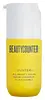
This brightening serum is formulated around Tetrahexyldecyl Ascorbate and Phytic Acid to brighten dull-looking skin and fade the look of dark spots.
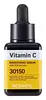
This brightening serum is formulated around Niacinamide and 3-O-Ethyl Ascorbic Acid to brighten dull-looking skin and fade the look of dark spots.


What's inside
What's inside
 Key Ingredients
Benefits
Concerns
Ingredients Side-by-side
Water
Skin ConditioningPropanediol
Solvent

Bis-Glyceryl Ascorbate
Antioxidant

Tetrahexyldecyl Ascorbate
Antioxidant




Pentylene Glycol
Skin Conditioning
Coconut Alkanes
Emollient
Glycerin
Humectant
Hydroxyethyl Acrylate/Sodium Acryloyldimethyl Taurate Copolymer
Emulsion StabilisingCurcuma Longa Root Extract
Antioxidant
Myrciaria Dubia Fruit Extract
Skin ConditioningCurcumin
Antioxidant
Sodium Hyaluronate
Humectant

Prunus Amygdalus Dulcis Oil
Skin Conditioning


Phytic Acid

Citrus Aurantium Bergamia Fruit Oil
Masking

Coco-Caprylate/Caprate
Emollient
Polyglyceryl-6 Polyricinoleate
Emulsifying
Citrus Nobilis Peel Oil
Masking
Citrus Aurantium Dulcis Flower Oil
Astringent
Ethylhexylglycerin
Skin ConditioningPotassium Sorbate
Preservative
Phenoxyethanol
Preservative
Decanal
MaskingCitrus Aurantium Dulcis Peel Oil
Masking
Ionone
Astringent
Ethyl Lactate
Perfuming
Vanillin
Masking
Isoamyl Acetate
SolventEthyl 2-Methylbutyrate
Perfuming
Methoxyphenylbutanone
Perfuming
Oxacycloheptadec-10-En-2-One
Perfuming
Dimethylhydroxy Furanone
MaskingEthyl Propionate
Perfuming
Ethyl Cinnamate
Perfuming
Hexenyl Acetate
Masking
Triethyl Citrate
Masking
Benzyl Acetate
Masking
Ethyl Acetate
Perfuming
Citral
Perfuming
Limonene
Perfuming
Linalool
Perfuming
Water, Propanediol, Bis-Glyceryl Ascorbate, Tetrahexyldecyl Ascorbate, Pentylene Glycol, Coconut Alkanes, Glycerin, Hydroxyethyl Acrylate/Sodium Acryloyldimethyl Taurate Copolymer, Curcuma Longa Root Extract, Myrciaria Dubia Fruit Extract, Curcumin, Sodium Hyaluronate, Prunus Amygdalus Dulcis Oil, Phytic Acid, Citrus Aurantium Bergamia Fruit Oil, Coco-Caprylate/Caprate, Polyglyceryl-6 Polyricinoleate, Citrus Nobilis Peel Oil, Citrus Aurantium Dulcis Flower Oil, Ethylhexylglycerin, Potassium Sorbate, Phenoxyethanol, Decanal, Citrus Aurantium Dulcis Peel Oil, Ionone, Ethyl Lactate, Vanillin, Isoamyl Acetate, Ethyl 2-Methylbutyrate, Methoxyphenylbutanone, Oxacycloheptadec-10-En-2-One, Dimethylhydroxy Furanone, Ethyl Propionate, Ethyl Cinnamate, Hexenyl Acetate, Triethyl Citrate, Benzyl Acetate, Ethyl Acetate, Citral, Limonene, Linalool
Water
Skin ConditioningGlycerin
Humectant
Butylene Glycol
Humectant
Betaine
Humectant
Niacinamide
Smoothing



1,2-Hexanediol
Skin Conditioning
Methylpropanediol
SolventMelia Azadirachta Flower Extract
Skin ConditioningOcimum Sanctum Leaf Extract
Skin ConditioningMelia Azadirachta Leaf Extract
Skin ConditioningCurcuma Longa Root Extract
Antioxidant
Corallina Officinalis Extract
Skin Conditioning
Sodium Hyaluronate
Humectant
Hydrolyzed Hyaluronic Acid
Humectant
Theobroma Cacao Extract
Skin ConditioningHyaluronic Acid
Humectant
Panthenol
Skin Conditioning
Polyglyceryl-10 Laurate
Skin Conditioning
Hydrogenated Lecithin
Emulsifying
Ammonium Acryloyldimethyltaurate/Vp Copolymer
Tromethamine
BufferingCaprylic/Capric Triglyceride
Masking
Ethylhexylglycerin
Skin ConditioningPropanediol
Solvent
Adenosine
Skin Conditioning
Sodium Hyaluronate Crosspolymer
Humectant
Tocopherol
Antioxidant
Polyglyceryl-10 Oleate
Skin Conditioning
Hydrolyzed Glycosaminoglycans
Humectant3-O-Ethyl Ascorbic Acid
Skin Conditioning
Sodium Phytate
Ascorbic Acid
Antioxidant
Ceramide NP
Skin Conditioning
Benzyl Glycol
SolventBeta-Glucan
Skin Conditioning
Dextrin
AbsorbentCapryloyl Salicylic Acid
Exfoliating
Gluconolactone
Skin Conditioning
Carbomer
Emulsion StabilisingXanthan Gum
EmulsifyingParfum
Masking
Water, Glycerin, Butylene Glycol, Betaine, Niacinamide, 1,2-Hexanediol, Methylpropanediol, Melia Azadirachta Flower Extract, Ocimum Sanctum Leaf Extract, Melia Azadirachta Leaf Extract, Curcuma Longa Root Extract, Corallina Officinalis Extract, Sodium Hyaluronate, Hydrolyzed Hyaluronic Acid, Theobroma Cacao Extract, Hyaluronic Acid, Panthenol, Polyglyceryl-10 Laurate, Hydrogenated Lecithin, Ammonium Acryloyldimethyltaurate/Vp Copolymer, Tromethamine, Caprylic/Capric Triglyceride, Ethylhexylglycerin, Propanediol, Adenosine, Sodium Hyaluronate Crosspolymer, Tocopherol, Polyglyceryl-10 Oleate, Hydrolyzed Glycosaminoglycans, 3-O-Ethyl Ascorbic Acid, Sodium Phytate, Ascorbic Acid, Ceramide NP, Benzyl Glycol, Beta-Glucan, Dextrin, Capryloyl Salicylic Acid, Gluconolactone, Carbomer, Xanthan Gum, Parfum
Reviews
Ingredients Explained
These ingredients are found in both products.
Ingredients higher up in an ingredient list are typically present in a larger amount.
Curcuma Longa Root Extract comes from the rhizome (underground stem) of the turmeric plant.
While the official EU Cosing Database lists this ingredient as a fragrance, it actually does more than give products a scent.
This ingredient contains a group of yellow pigments called curcuminoids (mostly curcumin) that give it genuine antioxidant and anti-inflammatory activity in skin.
Reviews of topical clinical studies have found turmeric/curcumin to be generally well-tolerated and useful across conditions like eczema and mild inflammation.
One thing working in its favor is that curcumin barely penetrates; in lab skin-permeation testing, the curcuminoids mostly stayed in the outermost layer of skin. This is a good thing because its soothing and antioxidant activity is a surface-level job anyway.
At this time, industry data shows there's no single "correct" cosmetic percentage. It's used across a wide range depending on the product and varies from tiny fractions of a percent up to a few percent.
Allergy-wise, curcumin is a documented (but uncommon) contact allergen. It can also cross react with related plants, so anyone with a turmeric/ginger/cinnamon allergy or reactive skin should patch test first.
Learn more about Curcuma Longa Root ExtractEthylhexylglycerin is created from glycerin. It is a multitasker ingredient that:
The CIR Expert Panel found minimal skin absorption or sensitization of any kind in a safety assessment. Though this ingredient is considered well-tolerated, a small number of cases of allergic dermatitis have been published since 2002. Just be sure to patch test if you are unsure.
Industry-reported use ranges from 8% in rinse-off products and 2% in leave-on formulations.
Learn more about EthylhexylglycerinGlycerin (or glycerol) is a compound naturally found in your skin. It's a powerhouse humectant that pulls water into the stratum corneum.
Topically, glycerin does several things at once:
Your skin makes glycerin on its own (mostly from sebaceous oil breakdown) and shuttles it to your outermost layer of skin, or your epidermis, via aquaporin-3.
Aquaporin-3 is a transporter that is essential for normal skin hydration, elasticity, and repair. Interestingly, mice lacking in AQP3 have dry and less elastic skin that can be fully corrected with glycerin.
This ingredient is non-irritating, plays well with almost every ingredient, and works across all skin types. Typical use is anywhere between 3-10% but can go up to 79% in some leave-on products.
Just know very high concentrations (>40%) can feel tacky in low humidity.
Glycerin is the name for this ingredient in American English. British English uses Glycerol/Glycerine.
Learn more about GlycerinPropanediol is an all-star ingredient. It softens, hydrates, and smooths the skin.
It’s often used to:
Propanediol is not likely to cause sensitivity and considered safe to use. It is derived from corn or petroleum with a clear color and no scent.
Learn more about PropanediolSodium Hyaluronate is the salt form of hyaluronic acid. It is a long sugar chain that is naturally found in your skin, joints, and connective tissue that maintains hydration and elasticity.
In skincare, it works as a humectant. It pulls water from the environment and deeper layers of skin and binds it to the surface.
Interestingly, the size of the molecule affects its behavior:
Some clinical evidence links low molecular weight versions to improved wrinkle depth, elasticity, anti-inflammatory effects, and barrier repair.
Many serums use a blend of both weights so you can get surface hydration plus longer-lasting and deeper effects.
You'll typically see concentrations between 0.1-2% for this ingredient.
Learn more about Sodium HyaluronateWater. It's the most common cosmetic ingredient of all. You'll usually see it at the top of ingredient lists, meaning that it makes up the largest part of the product.
So why is it so popular? Water most often acts as a solvent - this means that it helps dissolve other ingredients into the formulation.
You'll also recognize water as that liquid we all need to stay alive. If you see this, drink a glass of water. Remember to stay hydrated!
Learn more about Water

