Beauty of Joseon Red Bean Water Gel Versus Skintific Truffle Biome Skin Reborn Cream Gel Moisturiser
This calming moisturizer is formulated around Panthenol and Allantoin to calm redness and hydrate skin.
This barrier-repair moisturizer is formulated around Ceramide EOP and Bifida Ferment Lysate to strengthen the skin barrier and hydrate skin.


What's inside
What's inside
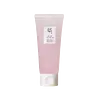 Key Ingredients
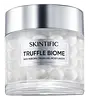
Benefits
Concerns
Ingredients Side-by-side
Water
Skin ConditioningButylene Glycol
Humectant

Glycerin
Humectant
1,2-Hexanediol
Skin Conditioning
Methyl Trimethicone
Skin Conditioning
Phaseolus Angularis Seed Extract
Antioxidant
Acrylates/C10-30 Alkyl Acrylate Crosspolymer
Emulsion StabilisingTromethamine
BufferingGlyceryl Glucoside
Humectant
C12-14 Alketh-12
EmulsifyingMaltodextrin
Absorbent
Ammonium Acryloyldimethyltaurate/Vp Copolymer
Dimethicone/Vinyl Dimethicone Crosspolymer
Skin Conditioning
Dimethicone Crosspolymer
Emulsion Stabilising
Ethylhexylglycerin
Skin ConditioningBetaine
Humectant
Panthenol
Skin Conditioning
Allantoin
Skin Conditioning
Dipotassium Glycyrrhizate
Humectant
Polyquaternium-51
Skin Conditioning
Xanthan Gum
EmulsifyingDisodium EDTA
ChelatingGlyceryl Acrylate/Acrylic Acid Copolymer
HumectantDioscorea Japonica Root Extract
Skin Conditioning
Glucose
Humectant
Sodium Citrate
BufferingBeta-Glucan
Skin Conditioning
Hydrolyzed Corn Starch
HumectantCitric Acid
Buffering


Sucrose
Humectant
Magnesium Ascorbyl Phosphate
Antioxidant



Caprylyl Glycol
Emollient
Helianthus Annuus Seed Oil
Emollient

Tocopherol
Antioxidant

Cyanocobalamin
Skin ConditioningGlycine
Buffering
Serine
Masking
Glutamic Acid
Humectant
Aspartic Acid
Masking
Leucine
Skin ConditioningAcetyl Hexapeptide-8
Humectant
Alanine
Masking
Lysine
Skin ConditioningArginine
Masking
Tyrosine
MaskingPhenylalanine
Masking
Proline
Skin Conditioning
Threonine
Valine
MaskingIsoleucine
Skin ConditioningHistidine
Humectant
Cysteine
Antioxidant
Methionine
Skin ConditioningPhosphoric Acid
BufferingAscorbic Acid
Antioxidant
Sh-Oligopeptide-1
Skin Conditioning
Sh-Oligopeptide-2
Skin Conditioning
Sh-Polypeptide-1
Skin Conditioning
Water, Butylene Glycol, Glycerin, 1,2-Hexanediol, Methyl Trimethicone, Phaseolus Angularis Seed Extract, Acrylates/C10-30 Alkyl Acrylate Crosspolymer, Tromethamine, Glyceryl Glucoside, C12-14 Alketh-12, Maltodextrin, Ammonium Acryloyldimethyltaurate/Vp Copolymer, Dimethicone/Vinyl Dimethicone Crosspolymer, Dimethicone Crosspolymer, Ethylhexylglycerin, Betaine, Panthenol, Allantoin, Dipotassium Glycyrrhizate, Polyquaternium-51, Xanthan Gum, Disodium EDTA, Glyceryl Acrylate/Acrylic Acid Copolymer, Dioscorea Japonica Root Extract, Glucose, Sodium Citrate, Beta-Glucan, Hydrolyzed Corn Starch, Citric Acid, Sucrose, Magnesium Ascorbyl Phosphate, Caprylyl Glycol, Helianthus Annuus Seed Oil, Tocopherol, Cyanocobalamin, Glycine, Serine, Glutamic Acid, Aspartic Acid, Leucine, Acetyl Hexapeptide-8, Alanine, Lysine, Arginine, Tyrosine, Phenylalanine, Proline, Threonine, Valine, Isoleucine, Histidine, Cysteine, Methionine, Phosphoric Acid, Ascorbic Acid, Sh-Oligopeptide-1, Sh-Oligopeptide-2, Sh-Polypeptide-1
Water
Skin ConditioningButylene Glycol
Humectant
Glycerin
Humectant
Tuber Magnatum Extract
Skin ConditioningCeramide EOP
Skin Conditioning
Ceramide Ns
Skin Conditioning
Ceramide Ng
Skin Conditioning
Lactobacillus/Soymilk Ferment Filtrate
Skin ConditioningBifida Ferment Lysate
Skin Conditioning
Ceramide NP
Skin Conditioning
Ceramide As
Skin Conditioning
Ceramide AP
Skin Conditioning
Hyaluronic Acid
Humectant
Centella Asiatica Extract
Cleansing
Dipropylene Glycol
HumectantIsohexadecane
EmollientEthylhexyl Palmitate
Emollient


Panthenol
Skin Conditioning
Hydroxyethyl Urea
Humectant
Hydroxyethylpiperazine Ethane Sulfonic Acid
BufferingCetearyl Alcohol
Emollient
1,2-Hexanediol
Skin Conditioning
Acrylates/C10-30 Alkyl Acrylate Crosspolymer
Emulsion StabilisingCarbomer
Emulsion StabilisingAllantoin
Skin Conditioning
Propanediol
Solvent
Vp/Hexadecene Copolymer
Hydroxyacetophenone
Antioxidant
Bisabolol
Antioxidant
Pentylene Glycol
Skin Conditioning
Gentiana Scabra Root Extract
Skin ConditioningCynanchum Atratum Extract
Skin ConditioningXanthan Gum
EmulsifyingInulin
Skin Conditioning
Polyglyceryl-10 Stearate
Skin Conditioning
Disodium EDTA
ChelatingEthylhexylglycerin
Skin ConditioningCaprylic/Capric Triglyceride
Masking
C13-14 Isoparaffin
Emollient
Centella Asiatica Root Extract
Skin Conditioning
Alpha-Glucan Oligosaccharide
Cleansing
Crocus Sativus Flower Extract
MaskingPiper Methysticum Leaf/Root/Stem Extract
Skin ConditioningPPG-26-Buteth-26
Skin ConditioningLactococcus Ferment Lysate
Skin Conditioning
Zingiber Officinale Root Extract
Masking
Caprylhydroxamic Acid
ChelatingWater, Butylene Glycol, Glycerin, Tuber Magnatum Extract, Ceramide EOP, Ceramide Ns, Ceramide Ng, Lactobacillus/Soymilk Ferment Filtrate, Bifida Ferment Lysate, Ceramide NP, Ceramide As, Ceramide AP, Hyaluronic Acid, Centella Asiatica Extract, Dipropylene Glycol, Isohexadecane, Ethylhexyl Palmitate, Panthenol, Hydroxyethyl Urea, Hydroxyethylpiperazine Ethane Sulfonic Acid, Cetearyl Alcohol, 1,2-Hexanediol, Acrylates/C10-30 Alkyl Acrylate Crosspolymer, Carbomer, Allantoin, Propanediol, Vp/Hexadecene Copolymer, Hydroxyacetophenone, Bisabolol, Pentylene Glycol, Gentiana Scabra Root Extract, Cynanchum Atratum Extract, Xanthan Gum, Inulin, Polyglyceryl-10 Stearate, Disodium EDTA, Ethylhexylglycerin, Caprylic/Capric Triglyceride, C13-14 Isoparaffin, Centella Asiatica Root Extract, Alpha-Glucan Oligosaccharide, Crocus Sativus Flower Extract, Piper Methysticum Leaf/Root/Stem Extract, PPG-26-Buteth-26, Lactococcus Ferment Lysate, Zingiber Officinale Root Extract, Caprylhydroxamic Acid
Reviews
Ingredients Explained
These ingredients are found in both products.
Ingredients higher up in an ingredient list are typically present in a larger amount.
1,2-Hexanediol is a synthetic liquid and another multi-functional powerhouse.
It is a:
- Humectant, drawing moisture into the skin
- Emollient, helping to soften skin
- Solvent, dispersing and stabilizing formulas
- Preservative booster, enhancing the antimicrobial activity of other preservatives
Acrylates/C10-30 Alkyl Acrylate Crosspolymer is a synthetic polymer. It is used to thicken, emulsify, and improve the texture of products.
As an emulsifier, it helps stabilize oil-in-water emulsions to give products an elegant feel when applied.
It can also form a thin protective film on skin. One study found that a formula using this polymer helped slow down how quickly other ingredients (like DEET) were absorbed through skin.
A 2024 study of over 1,300 patients confirmed that sensitization to this ingredient is rare. It is also non-mutagenic and has a clean track record.
Learn more about Acrylates/C10-30 Alkyl Acrylate CrosspolymerAllantoin is a soothing ingredient known for its protective and moisturizing properties; it's basically a quiet workhorse ingredient you can find in a huge range of cosmetics.
Though it can be derived from the comfrey plant, allantoin is produced synthetically for cosmetic products to ensure purity.
Research shows it can encourage your skin cells to turn over and renew by stimulating keratinocyte and fibroblast proliferation.
It also has mild keratolytic properties to help loosen and shed dead skin cells without being harsh.
Studies also suggest allantoin can help calm inflammation by dialing down some of the chemical signals your skin sends out when it is irritated.
This ingredient is typically used in the 0.1-0.5% range, and the FDA recognizes it as a skin protectant in OTC products up to 2%.
Overall, allantoin is a wonderful addition to most routines; it is stable across a wide pH range (~4-8), works well with other ingredients, and is considered non-sensitizing/non-irritating.
Fun fact: Allantoin is naturally occurring in comfrey root, beets, chamomile, and wheat sprouts. Our bodies even produce it as a byproduct of uric acid metabolism.
Learn more about AllantoinButylene Glycol (or BG) is used within cosmetic products for a few different reasons:
Overall, Butylene Glycol is a safe and well-rounded ingredient that works well with other ingredients.
Though this ingredient works well with most skin types, some people with sensitive skin may experience a reaction such as allergic rashes, closed comedones, or itchiness.
Learn more about Butylene GlycolDisodium EDTA is a chelating agent. It grabs onto and deactivates metal ions that sneak into your products from water, packaging, or air.
This ingredient mainly works behind the scenes and helps with:
On top of that, this ingredient can counteract the effects of hard water by binding to the minerals in it.
One thing worth knowing is that Disodium EDTA has been shown to be a mild penetration enhancer. It can help other ingredients absorb into skin more effectively which can be a double-edged sword (great for actives, but can also make the active too strong if you have sensitive skin).
Clinical patch testing showed no significant skin irritation at typical use concentrations and minimal dermal absorption.
You'll most likely see this ingredient near the end of an ingredient list. It's typically found in concentrations less than 1%.
Learn more about Disodium EDTAEthylhexylglycerin is created from glycerin. It is a multitasker ingredient that:
The CIR Expert Panel found minimal skin absorption or sensitization of any kind in a safety assessment. Though this ingredient is considered well-tolerated, a small number of cases of allergic dermatitis have been published since 2002. Just be sure to patch test if you are unsure.
Industry-reported use ranges from 8% in rinse-off products and 2% in leave-on formulations.
Learn more about EthylhexylglycerinGlycerin (or glycerol) is a compound naturally found in your skin. It's a powerhouse humectant that pulls water into the stratum corneum.
Topically, glycerin does several things at once:
Your skin makes glycerin on its own (mostly from sebaceous oil breakdown) and shuttles it to your outermost layer of skin, or your epidermis, via aquaporin-3.
Aquaporin-3 is a transporter that is essential for normal skin hydration, elasticity, and repair. Interestingly, mice lacking in AQP3 have dry and less elastic skin that can be fully corrected with glycerin.
This ingredient is non-irritating, plays well with almost every ingredient, and works across all skin types. Typical use is anywhere between 3-10% but can go up to 79% in some leave-on products.
Just know very high concentrations (>40%) can feel tacky in low humidity.
Glycerin is the name for this ingredient in American English. British English uses Glycerol/Glycerine.
Learn more about GlycerinPanthenol is a common ingredient that helps hydrate and soothe the skin. It is found naturally in our skin and hair.
There are two forms of panthenol: D and L.
D-panthenol is also known as dexpanthenol. Most cosmetics use dexpanthenol or a mixture of D and L-panthenol.
Panthenol is famous due to its ability to go deeper into the skin's layers. Using this ingredient has numerous pros (and no cons):
Like hyaluronic acid, panthenol is a humectant. Humectants are able to bind and hold large amounts of water to keep skin hydrated.
This ingredient works well for wound healing. It works by increasing tissue in the wound and helps close open wounds.
Once oxidized, panthenol converts to pantothenic acid. Panthothenic acid is found in all living cells.
This ingredient is also referred to as pro-vitamin B5.
Learn more about PanthenolWater. It's the most common cosmetic ingredient of all. You'll usually see it at the top of ingredient lists, meaning that it makes up the largest part of the product.
So why is it so popular? Water most often acts as a solvent - this means that it helps dissolve other ingredients into the formulation.
You'll also recognize water as that liquid we all need to stay alive. If you see this, drink a glass of water. Remember to stay hydrated!
Learn more about WaterXanthan gum is used as a stabilizer and thickener within cosmetic products. It helps give products a sticky, thick feeling - preventing them from being too runny.
On the technical side of things, xanthan gum is a polysaccharide - a combination consisting of multiple sugar molecules bonded together.
Xanthan gum is a pretty common and great ingredient. It is a natural, non-toxic, non-irritating ingredient that is also commonly used in food products.
Learn more about Xanthan Gum

