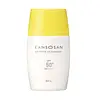
This chemical sunscreen covers most of the UV range, lighter on the deep UVA that drives aging.
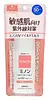
This mineral sunscreen covers the full UV range and blocks ~98% of UVB at SPF 50.

What's inside
What's inside
 Key Ingredients
Benefits
Concerns
Ingredients Side-by-side
Water
Skin ConditioningHomosalate
Skin Conditioning

Glycerin
Humectant


Octocrylene
UV Absorber

Ethylhexyl Salicylate
UV Absorber
Pentylene Glycol
Skin Conditioning
Butyl Methoxydibenzoylmethane
UV Absorber
Butylene Glycol
Humectant
Isostearic Acid
Cleansing


PCA
Humectant
Sodium PCA
Humectant
Aspartic Acid
Masking
Alanine
Masking
Arginine
Masking
Isoleucine
Skin ConditioningGlycine
Buffering
Glucosylrutin
Antioxidant
Glutamic Acid
Humectant
Tremella Fuciformis Polysaccharide
Emulsion Stabilising
Aphanothece Sacrum Polysaccharide
AbsorbentCeramide Ag
Humectant

Ceramide AP
Skin Conditioning
Ceramide EOP
Skin Conditioning
Ceramide Ng
Skin Conditioning
Ceramide NP
Skin Conditioning
Serine
Masking
Tocopherol
Antioxidant


Threonine
Niacinamide
Smoothing




Valine
MaskingPhytosterols
Skin Conditioning
Phenylalanine
Masking
Proline
Skin Conditioning
Betaine
Humectant
Macadamia Ternifolia Seed Oil
Emollient
Lysine Hcl
Skin Conditioning
Hydrolyzed Hyaluronic Acid
Humectant
Sodium Lactate
Buffering
Acrylates/C10-30 Alkyl Acrylate Crosspolymer
Emulsion StabilisingXanthan Gum
EmulsifyingHistidine
Humectant
Petrolatum
Emollient
Potassium Hydroxide
BufferingHydrogenated Lecithin
Emulsifying
Phenoxyethanol
Preservative
Water, Homosalate, Glycerin, Octocrylene, Ethylhexyl Salicylate, Pentylene Glycol, Butyl Methoxydibenzoylmethane, Butylene Glycol, Isostearic Acid, PCA, Sodium PCA, Aspartic Acid, Alanine, Arginine, Isoleucine, Glycine, Glucosylrutin, Glutamic Acid, Tremella Fuciformis Polysaccharide, Aphanothece Sacrum Polysaccharide, Ceramide Ag, Ceramide AP, Ceramide EOP, Ceramide Ng, Ceramide NP, Serine, Tocopherol, Threonine, Niacinamide, Valine, Phytosterols, Phenylalanine, Proline, Betaine, Macadamia Ternifolia Seed Oil, Lysine Hcl, Hydrolyzed Hyaluronic Acid, Sodium Lactate, Acrylates/C10-30 Alkyl Acrylate Crosspolymer, Xanthan Gum, Histidine, Petrolatum, Potassium Hydroxide, Hydrogenated Lecithin, Phenoxyethanol
Dipotassium Glycyrrhizate
Humectant
Cyclopentasiloxane
Emollient
Zinc Oxide
Cosmetic Colorant
Ethylhexyl Palmitate
Emollient
Titanium Dioxide
Cosmetic Colorant
Butylene Glycol
Humectant
Polymethylsilsesquioxane
Diisostearyl Malate
EmollientGlyceryl Glucoside
Humectant
Dimethicone
Emollient
Polyhydroxystearic Acid
Emulsifying
Aluminum Starch Octenylsuccinate
Absorbent
PEG-10 Dimethicone
Skin Conditioning
Hydrogen Dimethicone
Sorbitan Sesquiisostearate
Emulsifying
Aluminum Hydroxide
EmollientDimethicone/Vinyl Dimethicone Crosspolymer
Skin Conditioning
Cholesteryl/Behenyl/Octyldodecyl Lauroyl Glutamate
Skin ConditioningPhenoxyethanol
Preservative
Sorbitan Sesquioleate
Emulsifying
Silica
Abrasive
Glycogen
HumectantCholesterol
Emollient
Dipotassium Glycyrrhizate, Cyclopentasiloxane, Zinc Oxide, Ethylhexyl Palmitate, Titanium Dioxide, Butylene Glycol, Polymethylsilsesquioxane, Diisostearyl Malate, Glyceryl Glucoside, Dimethicone, Polyhydroxystearic Acid, Aluminum Starch Octenylsuccinate, PEG-10 Dimethicone, Hydrogen Dimethicone, Sorbitan Sesquiisostearate, Aluminum Hydroxide, Dimethicone/Vinyl Dimethicone Crosspolymer, Cholesteryl/Behenyl/Octyldodecyl Lauroyl Glutamate, Phenoxyethanol, Sorbitan Sesquioleate, Silica, Glycogen, Cholesterol
Reviews
Ingredients Explained
These ingredients are found in both products.
Ingredients higher up in an ingredient list are typically present in a larger amount.
Butylene Glycol (or BG) is used within cosmetic products for a few different reasons:
Overall, Butylene Glycol is a safe and well-rounded ingredient that works well with other ingredients.
Though this ingredient works well with most skin types, some people with sensitive skin may experience a reaction such as allergic rashes, closed comedones, or itchiness.
Learn more about Butylene GlycolPhenoxyethanol is one of the most widely used preservatives in skincare (and for good reason!).
It has a large spectrum of antimicrobial activity and especially effective bacteria, yeast, and mold while only having a weak effect on your skin's natural microbiome.
On a cellular level, it disrupts the cell membranes of microbes by poking holes that make the cell leak. This shuts down the chemical reactions the microbe needs to make energy so it can no longer survive.
Another perk of this ingredient is that it stays functional across a wide pH range (3-10).
You'll often see it paired with boosters like Ethylhexylglycerin; one study showed that a 1:9 ratio of Ethylhexylglycerin to Phenoxyethanol damages bacterial membranes as effectively as doubling the Phenoxyethanol concentration on its own.
Typical use concentrations range from 0.3-1% depending on the formula, and this ingredient is capped at 1% int the EU.
Safety-wise, the fear mongering does not hold up to the evidence. The EU's Scientific Committee on Consumer Safety and FDA consider it safe as a preservative at up to 1%, including for children of all ages.
Adverse systemic effects only showed up in animal studies at exposures roughly 200x higher than what people get from cosmetics. And despite its very widespread use, this ingredient is a rare sensitizer and allergic reactions are uncommon.
Learn more about Phenoxyethanol

